
If you are looking to come to France during 2027 or 2028, either to study, or to work or for a long vacation; finding a suitable house to rent is obviously going to be high on your list of priorities. Unfortunately, it is not always easy to rent a house in France on an annual or monthly basis if you are a foreigner. The French system is not really geared up to help Foreign nationals renting property in France on a long term basis, especially if they have no previous financial history in France or you are not able to put down a sizeable deposit.
When we first came to France in 2006, it was virtually impossible to find properties that would rent long term in South France to non-French citizens. Either the Rental agencies were demanding eye-watering security deposits or we were asked to pay the whole 12 month rental fee upfront. That is why we created our own long term rental agency in France, specifically geared up for foreign clients.
We have run an agency for renting property in France long term for the last 17 years. We also rented a number of houses in France when we first arrived. So we understand both the difficulties of finding and securing annual rental properties in France and we have created a business dedicated to making it easier for foreigners renting a house in France.
There are a number of options for renting property in France long term (for both furnished and unfurnished rentals), but you need to be aware of the pros and cons of each, as well as the cost implications.
If you are planning to stay in France for an extended period, you may also need to apply for a French long-stay visa. One important point to remember is that you will normally need to arrange your accommodation before applying for your visa, as you will be required to provide proof of where you intend to stay in France.

Timing is also critical. Customers planning to move to France for a year often like to organise their trip well in advance, sometimes 1–2 years ahead. However, we often find it difficult to persuade property owners to accept bookings more than 3–4 months in advance. From our experience, the best time to start looking for a house to rent in France is around 5–6 months before your intended arrival. As applications for most French long-stay visas can only be submitted up to three months before departure, this should give you enough time to find suitable accommodation and prepare your visa application.
There are, however, ways to make the process easier if you know how the French rental system works. In this guide, we explain the 3 main options for renting a house in France long term, including the practicalities of finding somewhere to live for up to 12 months.
We also compare furnished and unfurnished rental properties and examine the sometimes complicated question of principal versus secondary residence in France.
Finally, we highlight six of the best regions to rent a house in France during 2027 and 2028, including recommendations for towns that make good bases for a longer stay.
How to find long term rentals in France - the 3 options
So the first question to answer is how can a visitor rent a house in France? Below I will list down the 3 main ways of finding a property to rent in France and the likely information that you will need. But firstly, I just need to cover the issue of visas. Unless you are travelling on a European passport or if your stay in France will be less than 90 days, then to live in France you are going to need a visa. For non-working people, there are 2 visa options for entering France: a short stay visa of 6 months and a long stay visa of 12 months. I always advise people to go for the 12 month visa, because it offers you more flexibility in terms of travelling in and out of France.
But here is the rub, in order to apply for a visa for France, your firstly need to arrange your accommodation. Yes, you read that right. You need to get you rental property sorted before you can apply for a visa. The process is back to front. You don't need a visa to rent a house in France, but you do need to rent a house in France to get a visa. Basically, the French authorities want to know where you will be staying during your period in France and they will sometimes want additional information from your landlord to confirm that the rental agreement is valid (see Applying for a French Visa for more information on the visa requirements).
So what to do? There are three main options available to you for finding a house to rent in France. The first involves securing a private rental property direct with a landlord. The second, involves a more complicated process of renting a house through a French Real Estate agent or through a property rental agency in France. The third option involves the simpler and more straightforward process of looking for a long term holiday rental.
Option 1: private rental houses & apartments for rent in France
In French this is called particulier à particulier (person to person). Basically, it involves private French home owners or landlords renting their houses to tenants with no agent involved. You can normally find lots of adverts for houses to rent on such sites as www.leboncoin.fr or www.seloger.com or in local newspapers or even by seeing publicity notices hung directly on the properties themselves ("A Louer"). The main advantage of this approach is that it is normally quick to arrange the rental. You arrange a viewing, negotiate the rent and the terms, pay the deposit and the first months' rent and then you move in. It can also be cheaper because there are no management fess involved.
However, there are some hidden costs involved that you need to be aware of. Most private rentals use a standard French rental contract that can be bought in the local tabac (newsagent or paper shop). This is a very clear and detailed contract, but it is ideally set up for tenancy periods of 3 years. For shorter monthly rentals the terms of the contract can be quite onerous.
Secondly, the French house rental system has no real concept of 'wear and tear'. You are expected at the end of the rental period to return the house to its original condition in which you found it. This will include redecorating to cover scuff marks, a full deep clean and undertaking repairs to equipment and installing replacements for accidental breakages. We once rented an apartment from French friends in our village whilst we were building our house. The washing machine was probably 10 years old when we arrived at the apartment. In the last month before we move out, the cylinder drum on the washing machine jammed up. To our amazement we had to replace the washing machine. There was no discussion with our friends. Of course we had to replace it. It was working when we arrived and now it was not, so "tant pis". We didn't buy a new washing machine, but we did have to find a suitable replacement. So just be careful.
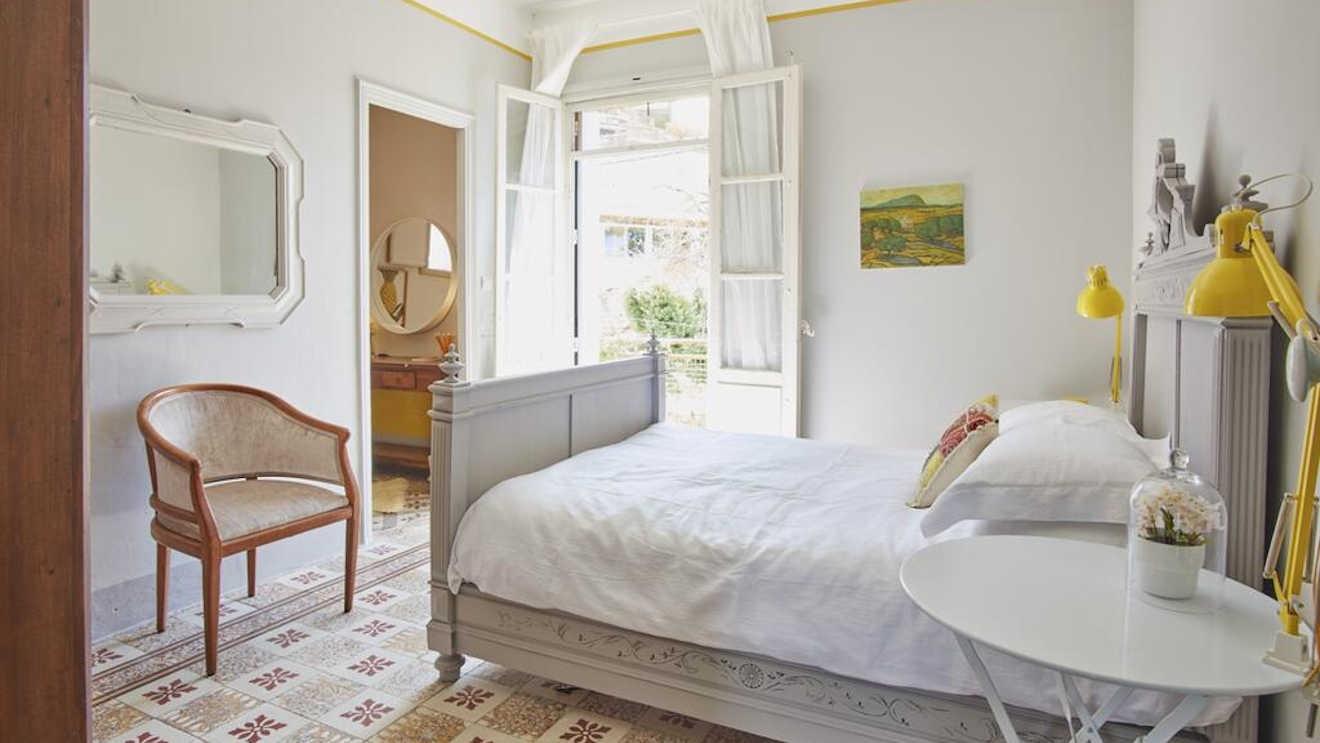
Before you start your tenancy, you will need to sign a legal document called an 'Etat des Lieux'. This is basically a very detailed inventory. You have to make sure that every mark on the floor, tear in a settee or chipped tea cup is documented fully. The Etat des Lieux can take up to 2 hours to complete. In some case, the Landlord will even arrange for a Bailiff (huissiere de justice) to come in and write the Etat de lieu. It then becomes a legal document which can be relied upon in court to settle any disputes. So if you are renting a house in France privately, just be aware that your security deposit is often viewed by the landlord as his or her compensation payment for 'wear and tear' and they will see it as their right to deduct money from the deposit.
Whilst of course it is possible to arrange a private house rental before you arrive in France, in competitive areas such as Paris you really need to be on the ground to snap up the best rentals. The other issue with this approach is that it is fine if you are fluent in French. But if you are not, then you are going to need some help with calling the landlord, setting up the viewing, discussing all the terms and reviewing the rental contract. Finally, you may find some hesitation among French landlords to rent to etrangers. They may impose higher deposits (3 months' rent) or require an advance payment of the full rent to cover the perceived higher risk that you could skip the country.
If you are looking for apartments for rent in France from a private landlord, then you can search the following websites for adverts: www.leboncoin.fr, www.seloger.com and www.logic-immo.com.
Option 2: French real estate agents

Most French real estate agents (immobiliers) also provide a rental service. They will usually charge the landlord 1 month's rent as a fee for arranging the rental and then they will normally charge a 10-15% monthly management fee. It is up to the landlord whether they pay this fee or pass it on to you in the form of higher rent. In our experience, the process of renting through a French real estate agent or letting agency can be tortuous. The standard process is that they will normally ask you to provide them with your last 3 months' French pay slips. If you have not been working in France, then you will be required to provide details of your last 3 tears' tax returns. If you have not been tax resident in France, then you are going to be in some difficulty proving that you have an income in France.
We helped two of clients find a house to rent in France through a real estate agent. In one case they were required to pay 12 months rent in advance plus 3 months' security deposit. In the other case (which was a 2 year rental), our clients had to pay 12 months' rent in advance, plus put a further 12 months' rent into an escrow account. In both cases, this was the only way the rental could be agreed. In the first case, the process took 2 months to organise; in the second case it took a full 3 months. It should also be added that in addition to the money involved, the clients also had to provide a mountain of paperwork (3 copies of each document) to prove previous residencies, legal status in France, passports marriage certificates, birth certificates, etc., etc.
Option 3: long term holiday rental in France
 If you do not have a previous financial history in France or you are not a fluent French speaker, then your best option is going to be to secure a long term holiday rental. At Long term rentals in France, we have been working in France for the last 15 years arranging such house rentals. The tenancy period is usually for 6-12 months, with a minimum stay of 3 months. For longer property rentals, a second tenancy agreement is provided once the first 12 months has expired.
We do require some financial references to be provided (to show that you are able to afford the monthly rent) - but we largely leave it down to our customers to determine what financial information best demonstrates their financial situation. So customers can provide bank statements, pension statements, employment contracts, business accounts, investment statements, or rental contracts for their own property in their home country.
The property owner will require 1 month security deposit and normally the rent has to be paid at the start of each month. But that is it. No tax documents, payslips, school swimming certificates, inside leg measurements . . . etc, etc. We try and keep the rental process as simple as possible.
What is more, we personally inspect all of the houses for rent advertised on Long term rentals in France. This is not just for you piece of mind, but it is also for our peace of mind that the property is suitable for a long term rental. When you are looking to rent a house in France on a monthly basis you have to make sure the WiFi works, the heating is sufficient, the cooking facilities are adequate. We are also able to provide advice on the best towns and villages to rent a property in France. If you do not know the local area, then this is crucial inside information. Often the location of the house is the more important than the house itself in terms of whether you are going to enjoy your stay in France.
Most of the houses to rent on Long term rentals in France are available for monthly rentals from September through to June. We do have a number of properties which will take rentals for a full calendar year and we can advise you on which properties these are.
Do you need a principal residence in France to apply for a long-stay visa?
One question we are often asked, especially by customers applying for a French long-stay visa, is whether their rental property needs to become their official principal residence in France. Some people have even been told by their immigration adviser that they need a principal residence in France to apply for their visa, open a French bank account and register with the French healthcare system.
The simple answer is this: you do not normally need to rent a property under a principal-residence tenancy agreement to apply for a French long-stay visitor visa. What you need is suitable evidence of where you intend to stay during your visit to France.
Indeed, it seems rather counter-intuitive that someone applying for a temporary visitor visa for France, would be expected to establish a permanent principal residence in France.
This distinction is important because around 95% of our property owners offer their houses as temporary or secondary-residence rentals, rather than principal-residence tenancies. Therefore, you will be cutting yourself out from a significant number of potential rental properties.
Our rental agreements clearly set out the intended temporary nature of the stay, and customers can use their rental address for visa applications and official correspondence, subject to the documentation requirements of the relevant authorities.
The difference between a principal residence and a secondary residence in France is significant, particularly when it comes to Tax, French rental laws and the rights of tenants and landlords. We explain these differences in more detail in our separate guide to principal and secondary residence rentals in France.

Principal vs Secondary Residence Rentals in France
Understand the differences between principal and secondary residence rentals in France, including tenancy agreements, landlord obligations, tax implications and tenant protections.
Furnished vs Unfurnished property rentals in France
There are some important differences between renting a furnished or unfurnished property in France, particularly when it comes to rental contracts, security deposits and what is actually included in the house. There are also cultural differences in what people expect from a furnished property. So don't assume that what you are used to in your home country will necessarily apply in France.
Unfurnished annual rental properties in France
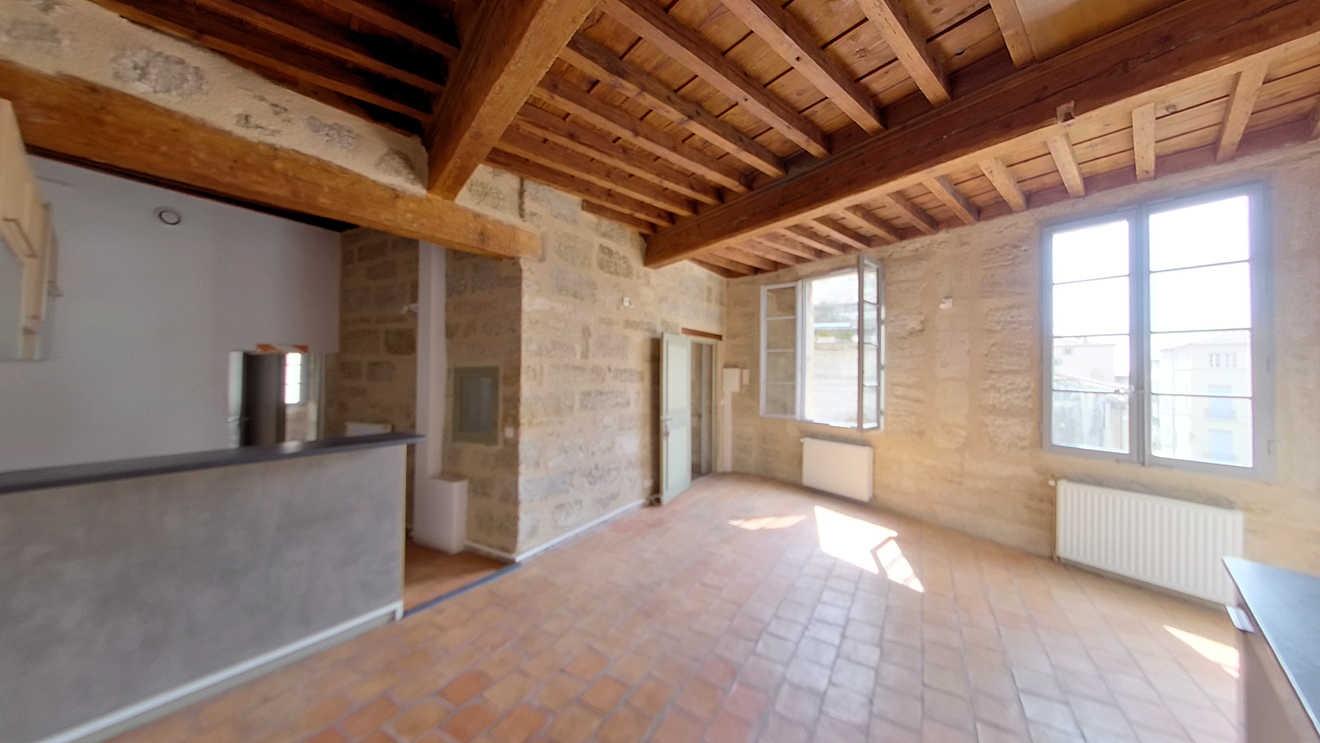
The standard rental contract for an unfurnished property in France is called a bail de location vide. For a property rented as the tenant's principal residence, the normal contract period is 3 years where the landlord is a private individual, although different rules can apply in certain circumstances.
An unfurnished rental property in France can be surprisingly bare. You may find yourself moving into a house without a fridge, washing machine, oven or even light fittings. Always check exactly what is included before signing the rental agreement.
We do try to help clients find unfurnished rental properties in France, but generally our own rental arrangements are for 3–12 months. If you are looking to rent for 2–3 years, the process can be quite tricky, especially if you don't have any financial history in France.
There is a good friend of ours here in Pézenas who was looking to rent an unfurnished villa for 18 months to 2 years. We found her a suitable property and, as it happened, we knew the estate agent very well and could personally vouch for her. So you would imagine that the rental process would be quite smooth. Not a chance.
From start to finish, it took 2 whole months just to complete the paperwork. Our friend had to provide French translations of her birth certificate and company partnership agreement, references from two previous landlords, 18 months of bank statements and a letter of recommendation from her French bank manager.
And that wasn't all. She was required to pay 12 months' rent upfront, a further 2 months' security deposit and place the second year's rent into an escrow account. I am not making any of this up, by the way. It was only after all of this had been arranged that she finally received the keys.
These were the conditions demanded in our friend's particular case, rather than the standard legal requirements for an unfurnished tenancy in France. But it illustrates the difficulties that foreign tenants can sometimes face when dealing with French rental agencies.
For someone arriving from overseas without French payslips, tax returns or a local guarantor, arranging an unfurnished annual rental before arriving in France can therefore be difficult. You may need to spend time in France viewing properties and assembling the documents required by the landlord or agent.
Furnished annual rentals in France
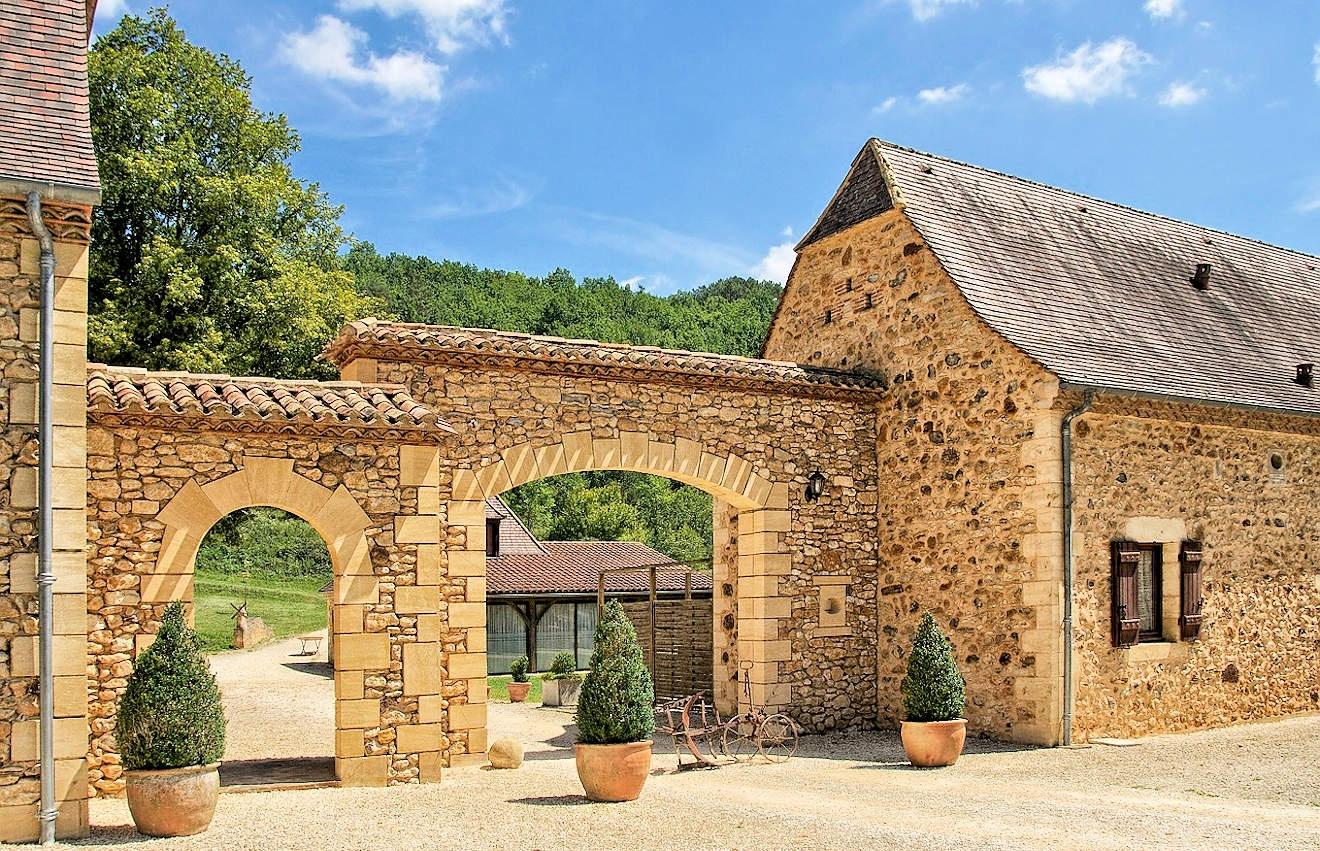
It is also possible to find furnished annual rental properties in France. For a standard furnished property rented as the tenant's principal residence, the normal rental contract is for 12 months and is generally renewable. However, different arrangements can apply to temporary and secondary-residence rentals, so it is important to understand which type of contract you are signing.
One thing that often surprises foreign tenants is how little furniture a legally furnished property actually needs to contain. Under French regulations, a furnished principal-residence rental must include certain basic equipment, such as:
- A bed with bedding and curtains or shutters in the bedrooms
- A hob and an oven or microwave
- A fridge and freezer, or suitable freezer compartment
- Enough crockery and cooking utensils for the occupants
- A table, chairs and storage shelves
- Lighting and suitable cleaning equipment
That is the legal minimum for this type of furnished rental, and in some properties you may find very little beyond it. Most of the furnished long term rentals in France advertised on our website are much more comfortably equipped, with proper living room furniture, washing machines, televisions, WiFi and fully fitted kitchens.
Security deposits, utility bills and other rental costs
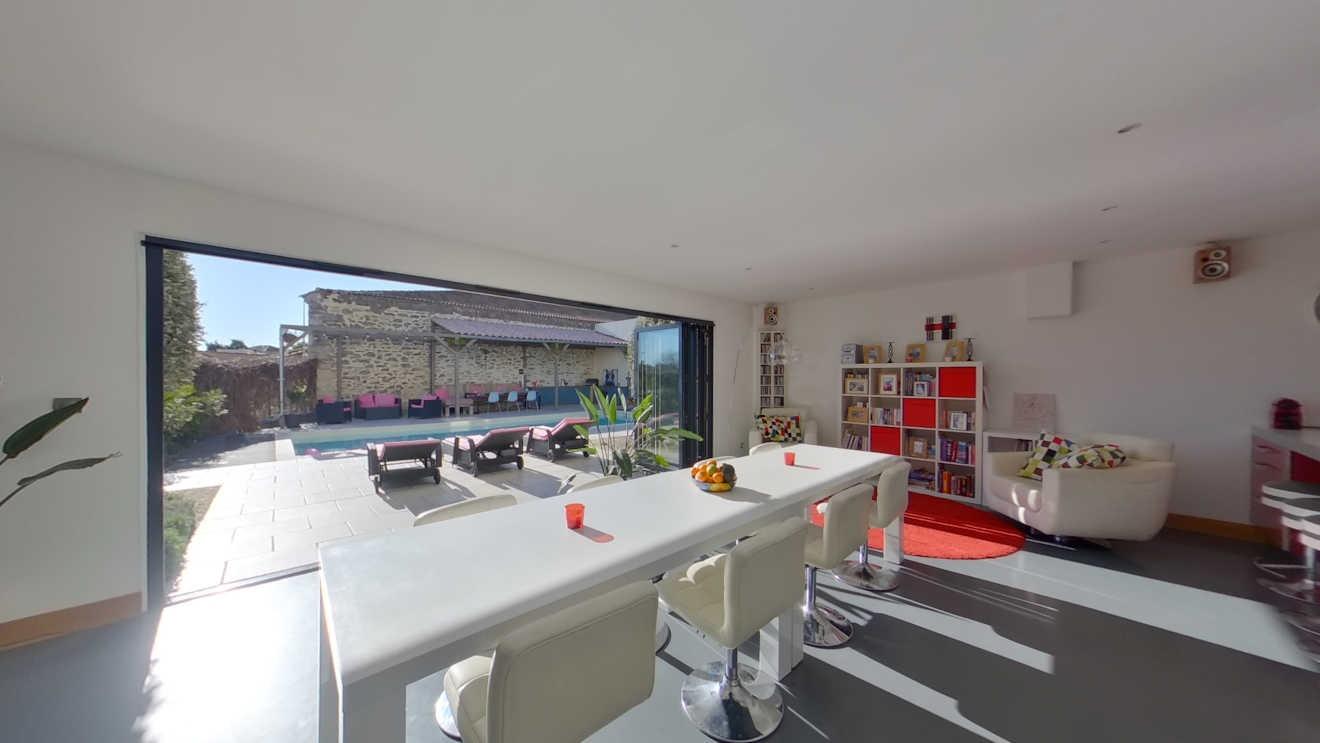
For a standard furnished principal-residence tenancy in France, the security deposit can be up to 2 months' rent, excluding charges. Rent is normally paid monthly and tenants are generally required to arrange suitable home insurance.
For our temporary furnished rentals, most owners ask for a 1 month security deposit, with the first month's rent paid before arrival. There is normally also an agreed monthly provision towards utility bills, depending on what is included in the rental price.
Before booking a furnished rental in France, make sure you understand whether the following costs are included:
- Electricity and heating: particularly important during the winter months
- Water: either included in the rent or charged separately
- Internet: check whether WiFi is provided and whether the connection is suitable for remote working
- Household insurance: confirm what insurance you need for the type of rental agreement
- Local charges: check whether any additional property-related charges are included in the rent or utility provision
One important change is that taxe d'habitation has been abolished on principal residences since 2023, although it still applies to second homes. The tax position depends on the property's use and circumstances, so it should not simply be assumed that every tenant renting a furnished house in France will have to pay it. But for longer rentals, tenants may be expected to pay a contribution towards some of the local services and facilities (like garbage collections, local street lighting, etc.). Normally, this is itemised in the rental contract and agreed before signing.
For customers coming to France for 3–12 months, a comfortably furnished property is generally the most practical option. You can arrive with your suitcases, settle in immediately and avoid the expense of buying furniture and household equipment for a relatively short stay.
Where to rent a house in France long term – regional guide
If you are looking for a furnished house or apartment to rent in France for 3–12 months, the choice of region can make a big difference to your budget and the type of property available. Below are some of the places we recommend, together with examples of properties from Long Term Rentals in France.
Availability is updated weekly. Please contact us to confirm the latest availability.
Provence – long term rentals in France
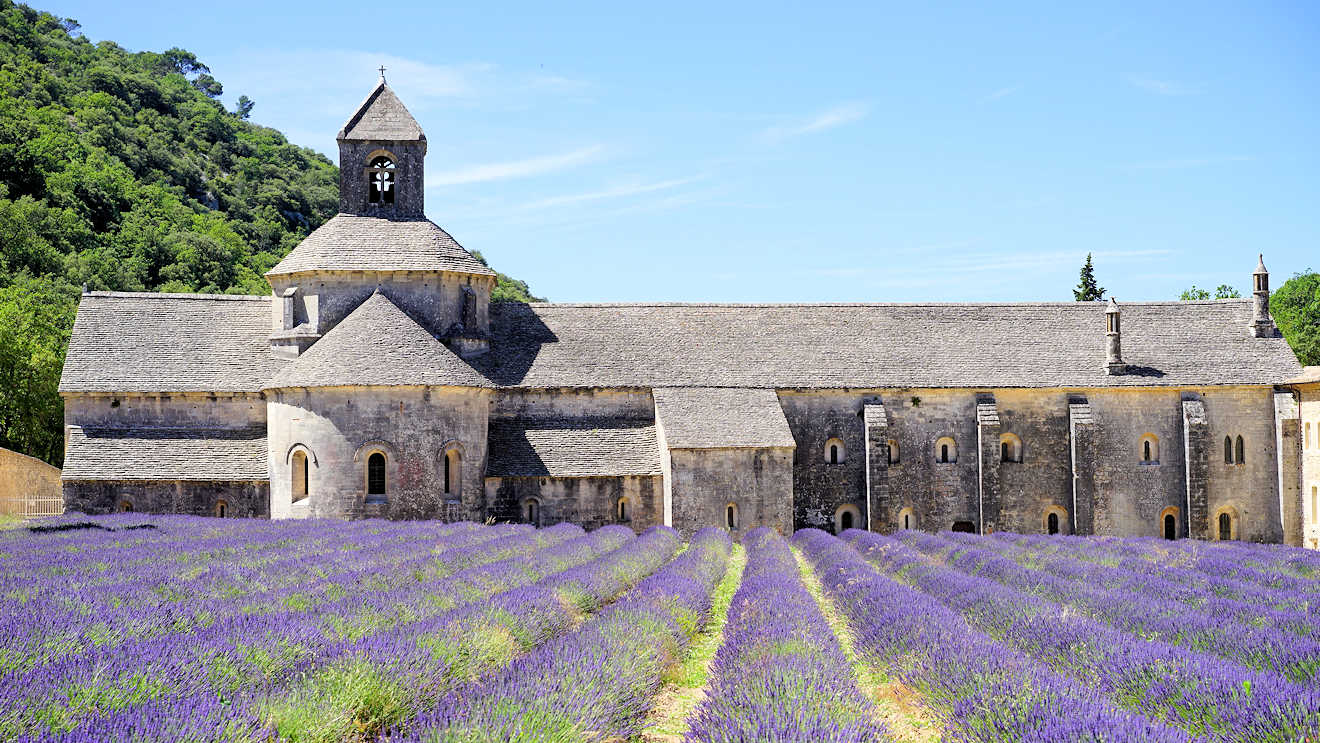
Provence remains one of the most popular places to rent a house in France long term. The difficulty is finding an owner willing to give up lucrative summer holiday bookings. In July and August, a property can sometimes earn in a week what it would receive in a month during the winter. However, some owners prefer the security of a longer rental and fewer weekly changeovers.
Aix-en-Provence is a good choice if you want a lively city throughout the year, although rents are comparatively high. For a more traditional Provençal setting, look at Saint-Rémy-de-Provence, L’Isle-sur-la-Sorgue, Forcalquier and the villages around the Luberon. Inland locations generally give you more choice than the most popular summer destinations.
Provence Stone Farmhouse to rent in France long term (Ref: 2066)
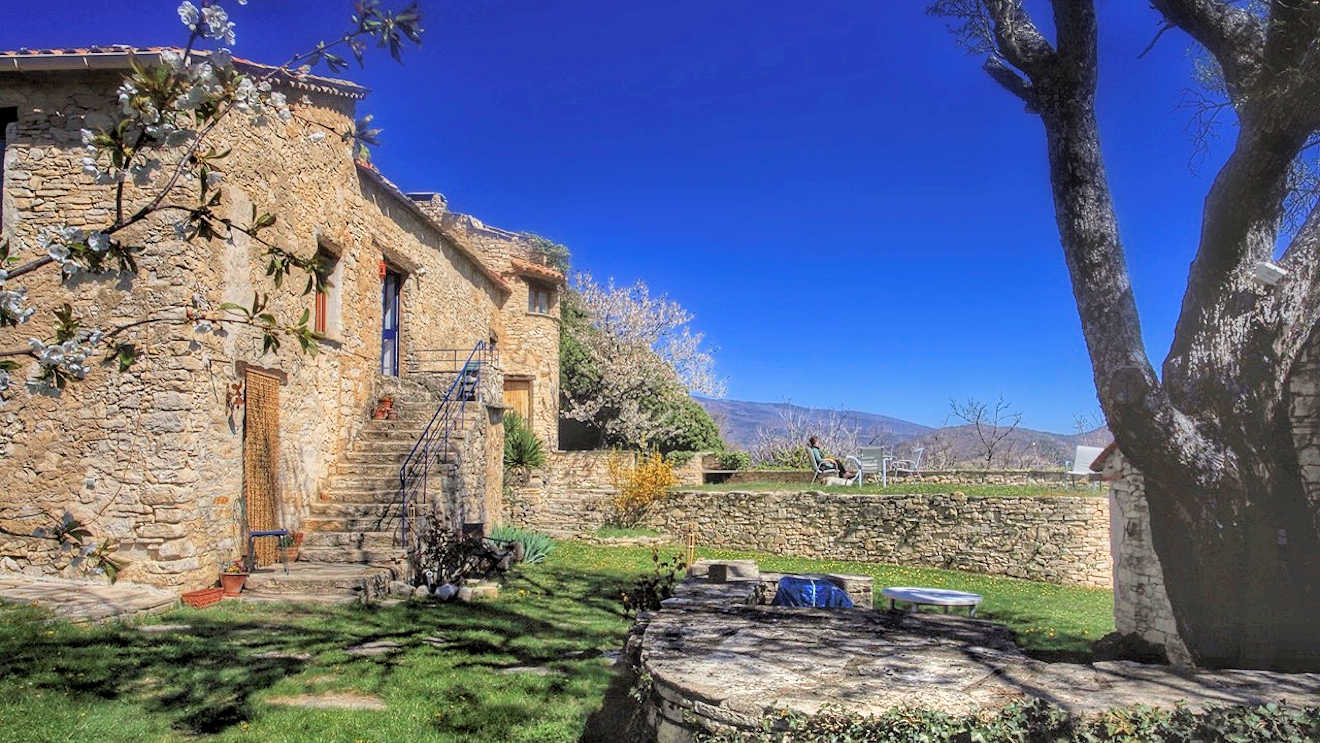
A 3 bed stone farmhouse for long term rentals in a hilltop hamlet near Forcalquier, Provence. Set in extensive grounds, it has a swimming pool and sweeping views across the countryside. The peaceful setting is ideal for an extended rural stay.
Available now
Puyloubier - 2 bed house for rent near Aix-en-Provence France (Ref: 2064)
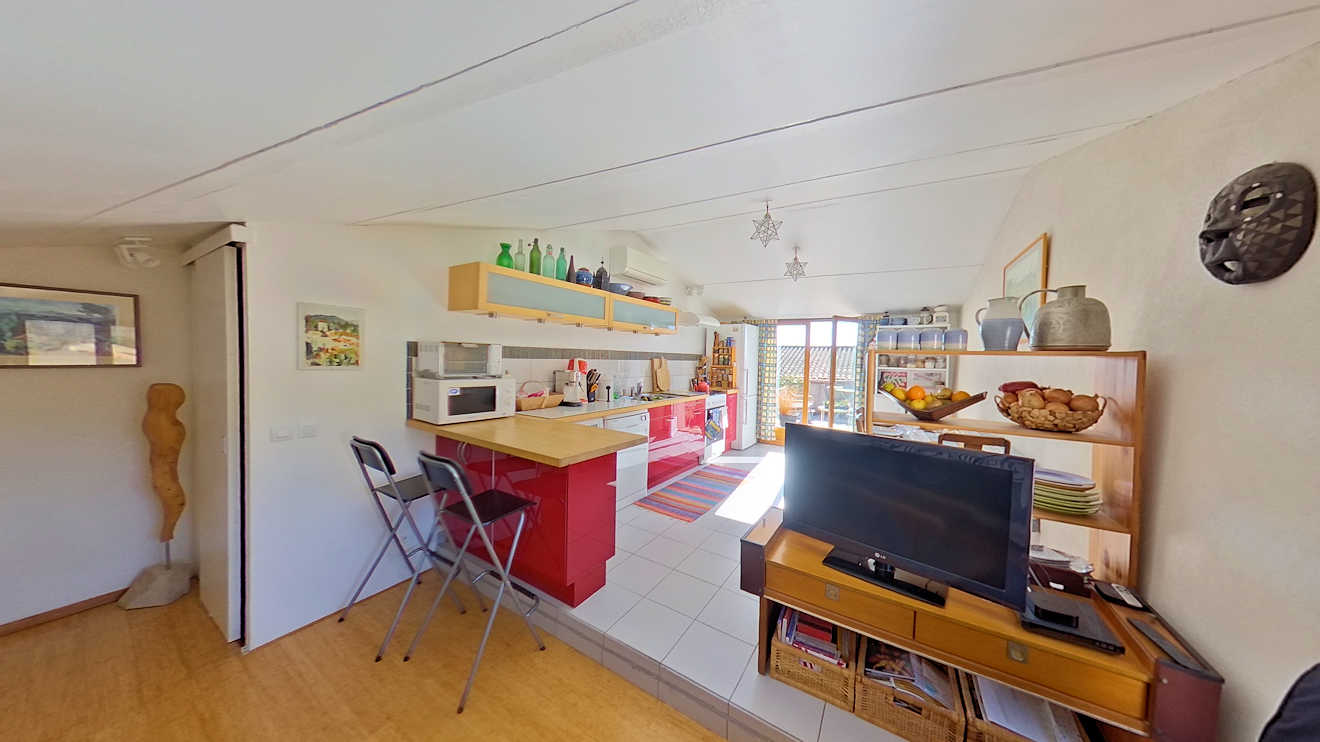
A 2 bed village house for long term rentals in Puyloubier, at the foot of Mont Sainte-Victoire near Aix-en-Provence. Two bathrooms and open-plan living space make it spacious and comfortable. Enjoy local shops, cafés and everyday life on foot.
Available now
Aix-en-Provence house for long term rentals France (Ref: 1699)
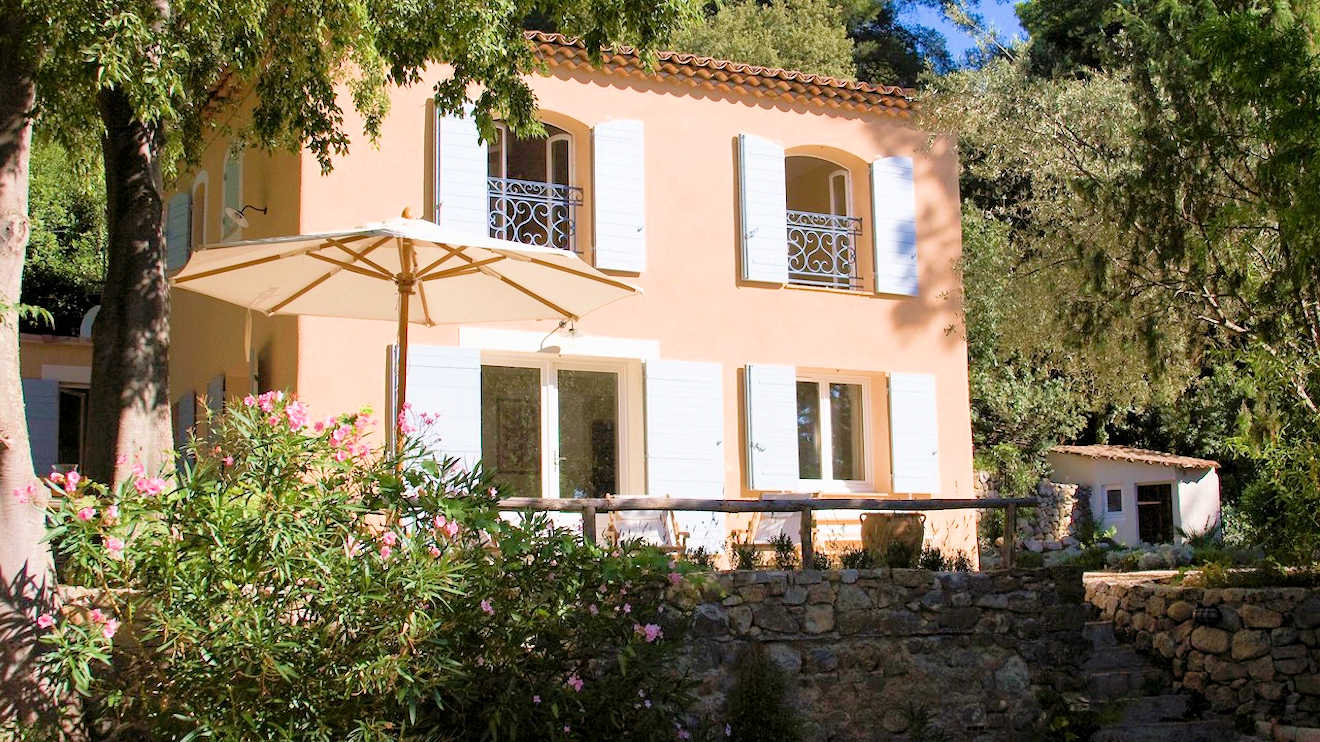
A well-presented 3 bed house for long term rentals in Aix-en-Provence. Set in a leafy residential neighbourhood around 10 minutes from the town centre, it has air conditioning, central heating, 2 bathrooms and a private garden.
Available from: 3 September 2027
Côte d’Azur – renting property in France long term
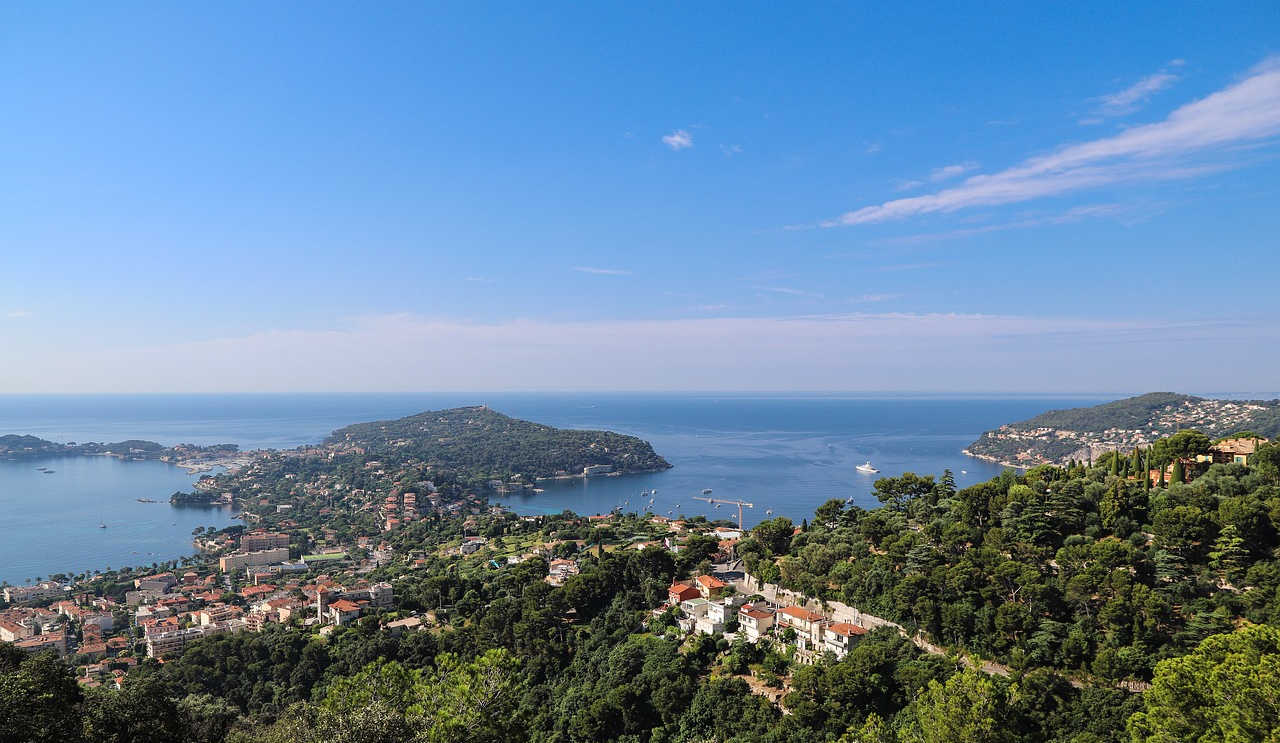
As in Provence, the summer holiday market on the Côte d’Azur makes it difficult to secure a property for a full 12 months. Owners may charge a premium to compensate for the summer income they would otherwise earn. Around Cannes, Antibes, Biot and Mandelieu, demand can also be strong outside the summer season because of conferences and major events.
If you want a year-round base, consider Nice, Menton, Vence, Mougins or Valbonne, depending on whether you prefer a town centre, a village or a quieter residential area. Vence and the hill villages can offer a different pace of life from the busy coast, although a car may be useful. Expect this to be one of the more expensive regions for long term rentals in France.
La Réserve 3 bed house long term rentals Nice France (Ref: 2162)
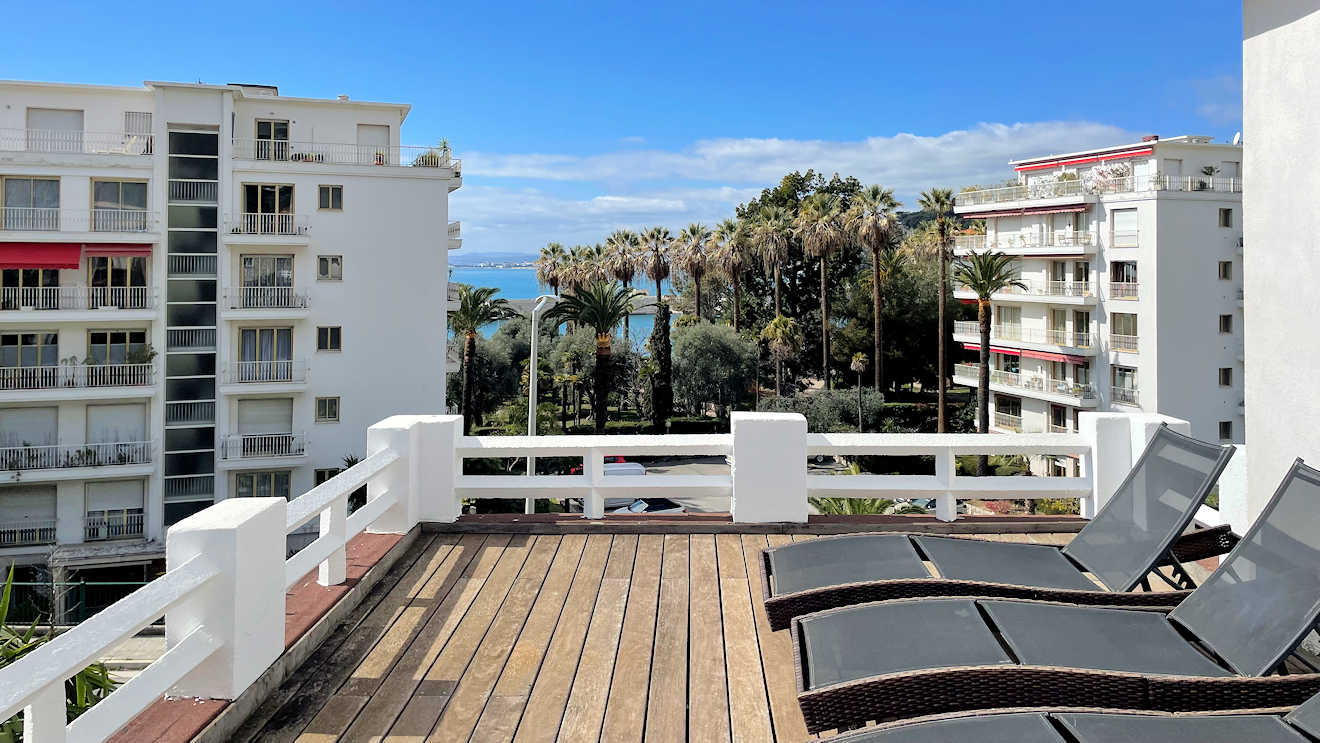
La Réserve is a lovely 3 bedroom house for long term rentals in the Port area of Nice, South France. This semi-detached house is located on a small private estate and comes with lovely views down to the sea from the roof. Available for rentals of 1 - 3 years.
Available from: 15 May 2027
Apartment for long term rentals near Menton France (Ref: 1918)
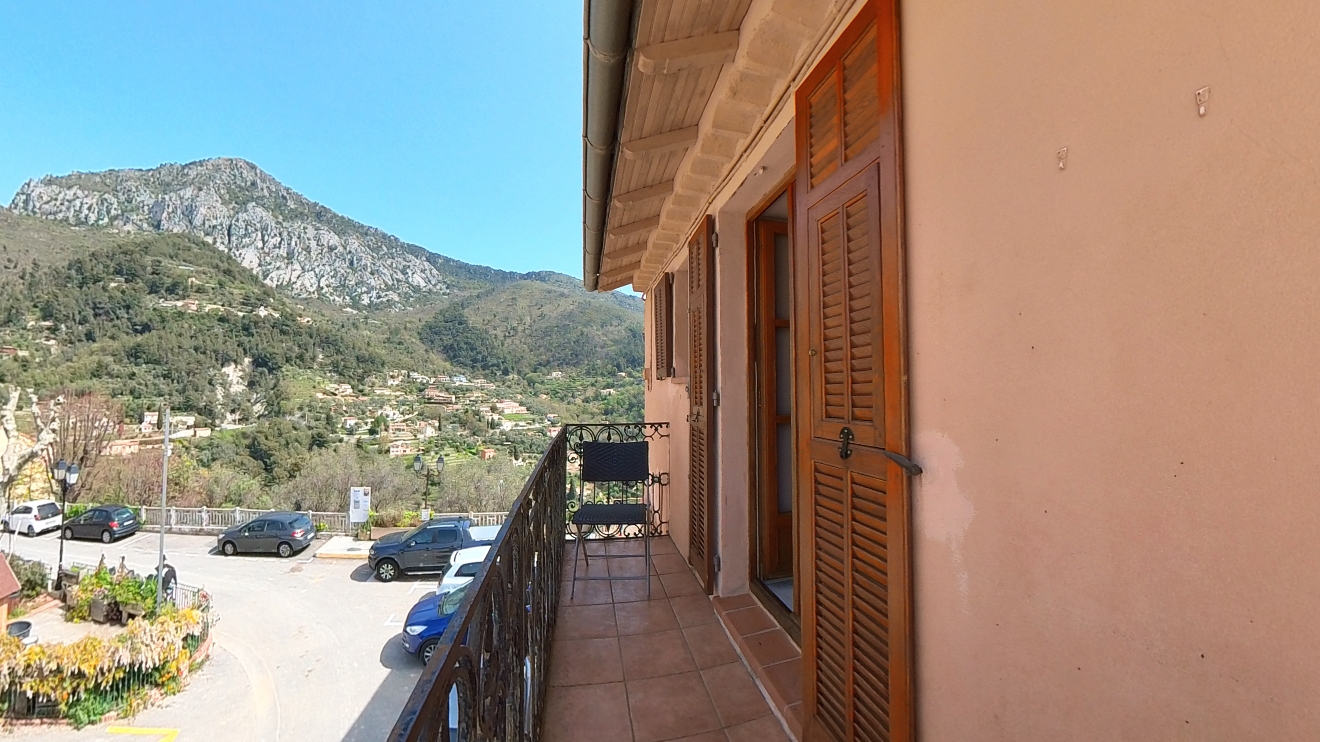
A 2 bed apartment for long term rentals on the French Riviera, in the hilltop village of Castellar above Menton. It has a balcony and views towards the Mediterranean coast. Menton’s beaches and amenities are nearby. Free parking near the apartment
Available now
Languedoc – affordable long term rentals in Southern France
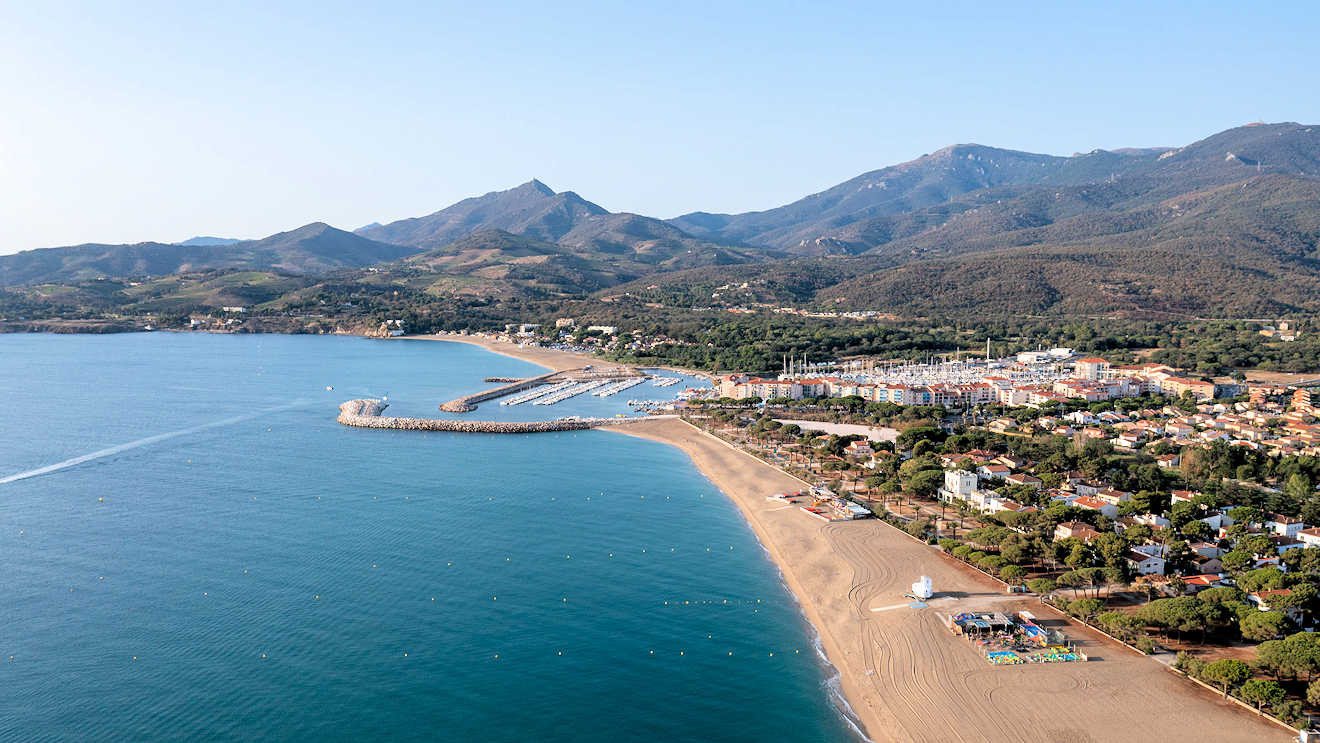
The old Languedoc region is generally more affordable than neighbouring Provence and the Côte d’Azur, making it a sensible starting point if you want to live near the Mediterranean without paying Riviera prices. The region combines sandy beaches, vineyards, historic towns and good road and rail connections.
Montpellier is the largest city, but towns such as Béziers, Narbonne, Nîmes and Perpignan are worth considering for everyday services and transport. Smaller places including Uzès, Sommières, Pézenas, Marseillan, Lagrasse, Céret and Collioure offer a more traditional setting. The four areas below are particularly useful starting points for a 3–12 month stay.
Pézenas – annual rental properties

Pézenas is one of our favourite towns for a longer stay. Situated between Montpellier and Béziers, around 25 minutes from the Mediterranean coast, it has a beautiful historic centre, a lively arts scene and plenty going on throughout the year. The town is associated with the playwright Molière, and its Saturday market is one of the highlights of local life.
For everyday living, you have supermarkets, restaurants, shops, sports facilities and healthcare services close by. The town also has a strong antiques tradition and is surrounded by vineyards. A centrally located apartment can work particularly well for someone arriving without a car.
La Cour - Pezenas long term rental property France (Ref: 2023)
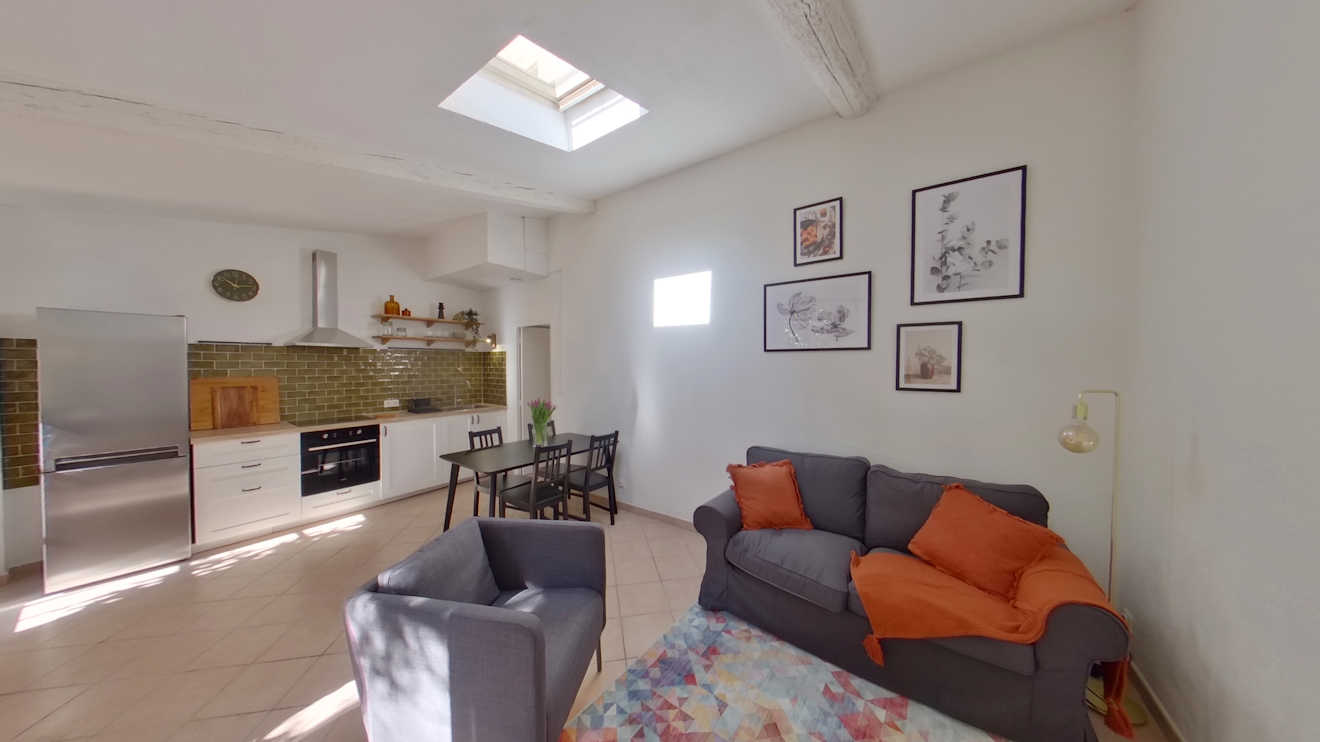
A renovated apartment for long term rentals in the heart of historic Pézenas, South France. It overlooks a courtyard, with shops, restaurants, cafés and the Saturday market a short walk away. Ideal for a couple or single person seeking everyday village-town life.
Available from: 2 September 2027
Béziers – long term rentals near the coast
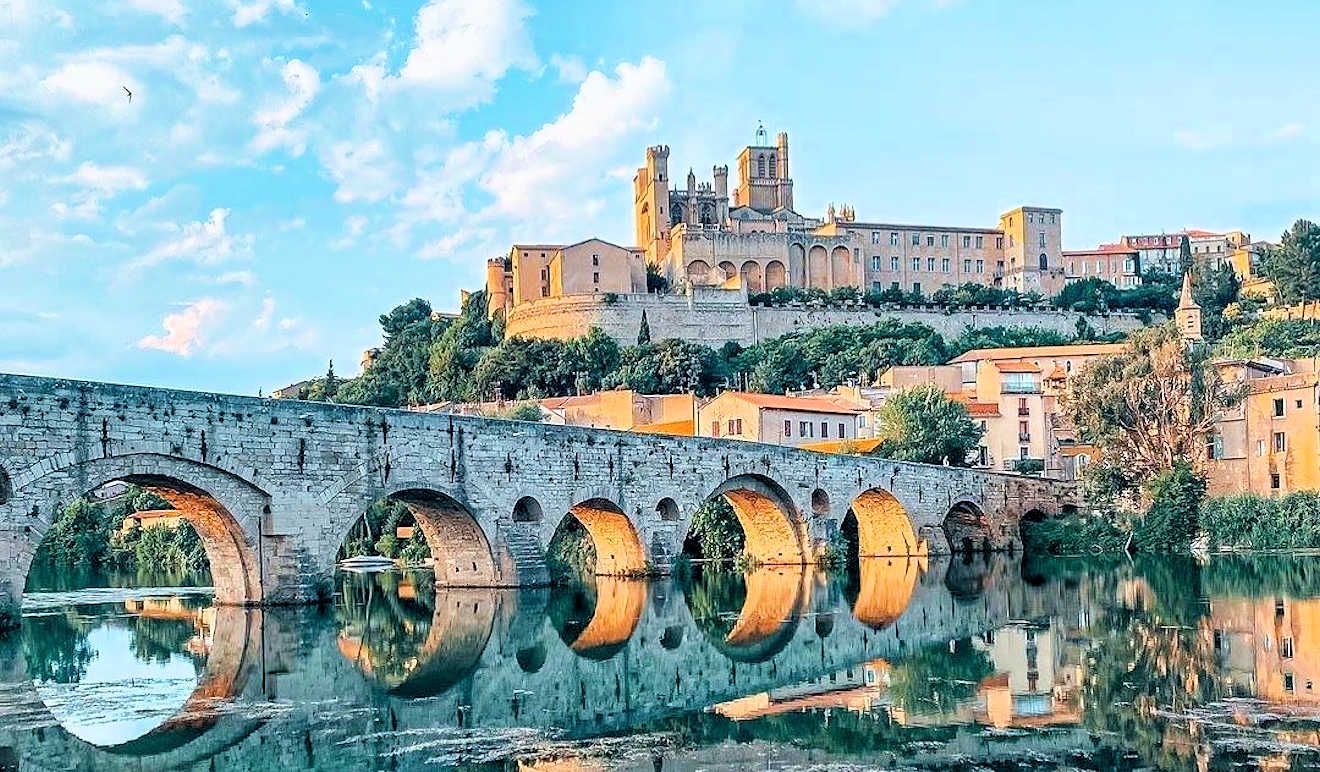
Béziers is around 10 km from the Mediterranean coast and has good road, rail and airport connections. The city has more than 2,000 years of history, an attractive old centre and a growing range of shops, restaurants and services. It is a practical base for exploring Southern France without paying the rental prices of the better-known coastal resorts.
The villages around Béziers are also worth investigating. To the north, the vineyards of Faugères and Saint-Chinian lead towards the hills and walking trails of the Haut-Languedoc. Closer to the coast, villages such as Lespignan offer easier access to the beaches.
3 bed villa with pool for long term rent in Puimisson, South France (Ref: 1923)
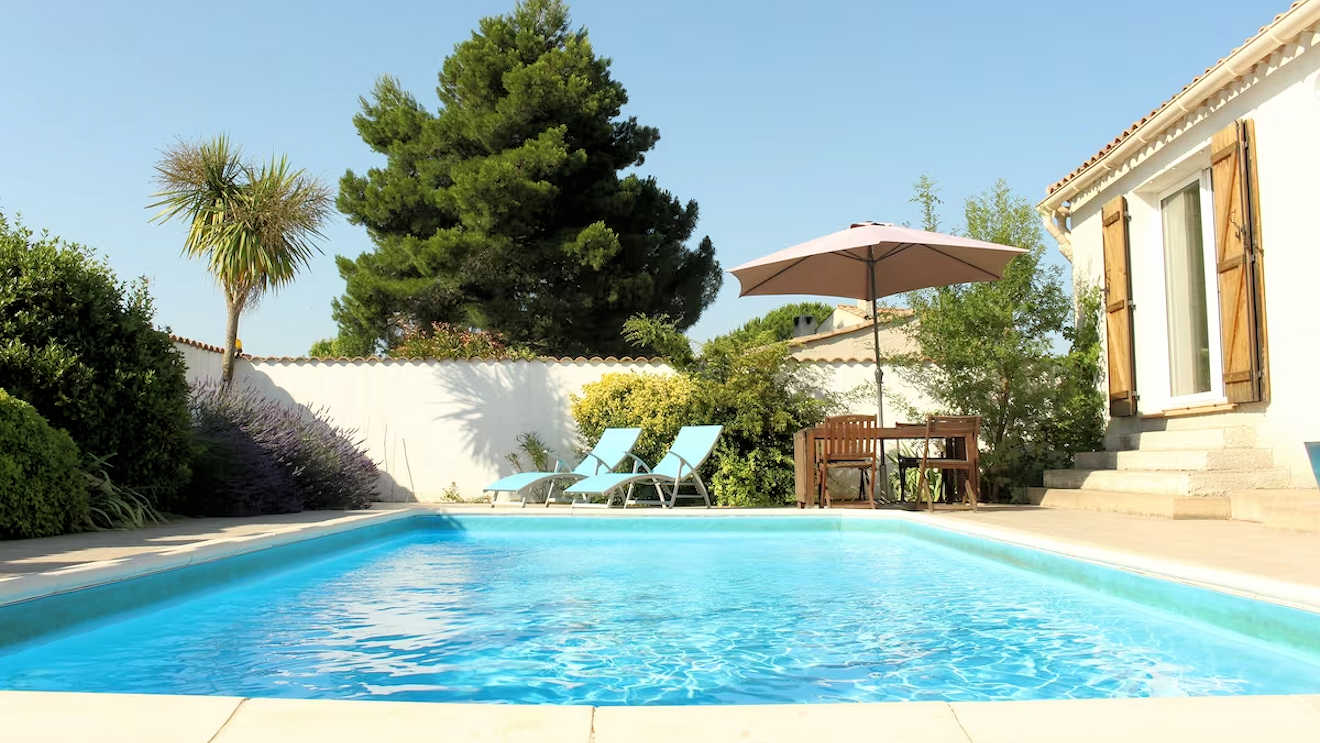
A 3 bed villa for long term rentals on the edge of Puimisson, a medieval village near Béziers. It has a private pool and parking in a quiet residential setting. Mediterranean beaches and Béziers transport connections are within easy reach.
Available now
Carcassonne – houses for 12 month rentals

Carcassonne lies between the Mediterranean coast, Toulouse and the Pyrenees. Its medieval citadel is famous, but the modern town also provides the shops, restaurants, healthcare and transport links you need for an extended stay. The A61 motorway and railway connect the area with Toulouse and Narbonne, and Carcassonne has its own airport.
For quieter village life, explore the Minervois, the Montagne Noire and the countryside around Mirepoix. Villages such as Siran and Camon are particularly attractive if you prefer vineyards, walking routes and a slower pace of life.
Siran Minervois 2 bed house to rent in France long term (Ref: 1632)
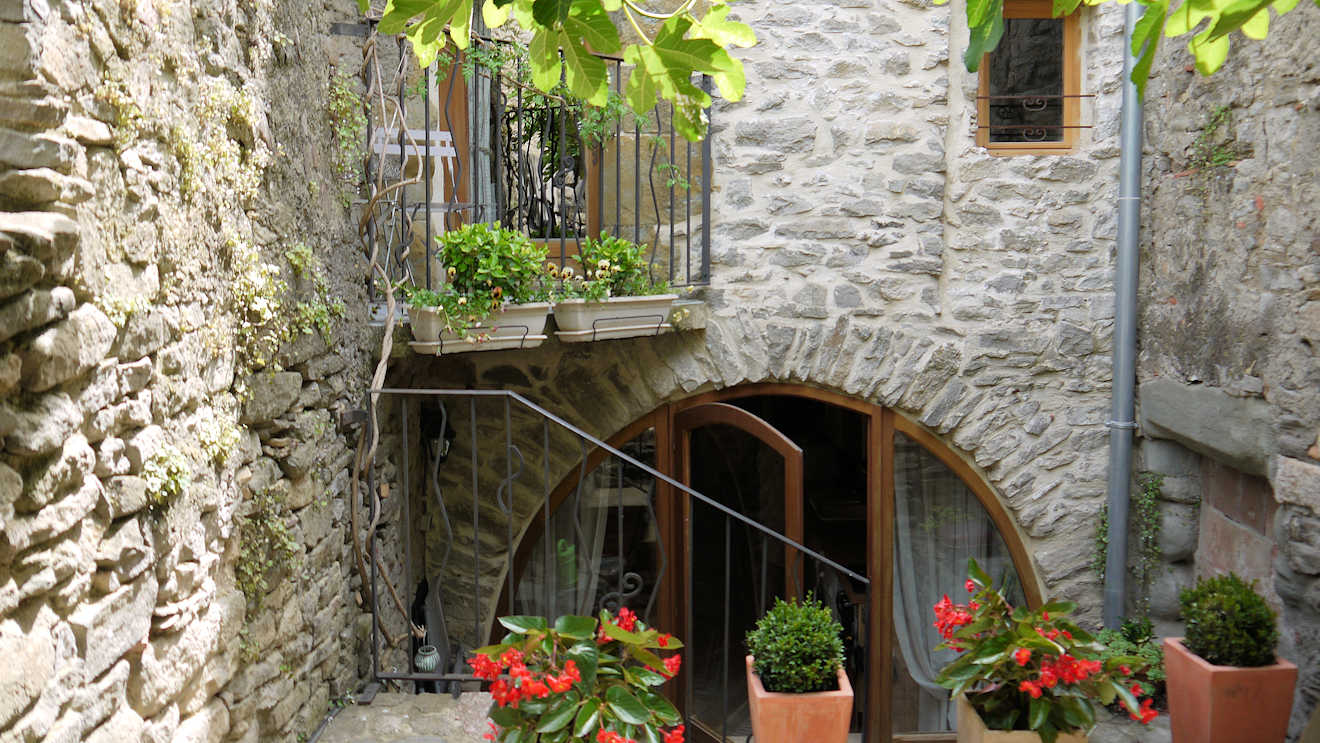
A 2 bed village house for monthly rentals in Siran, in the heart of the Minervois wine region. It has a cottage garden, comfortable lounge and kitchen-diner. Village shops and amenities are close by. Fully equipped with a dishwasher and washing machine.
Available from: 6 October 2027
Perpignan – annual rentals near Spain
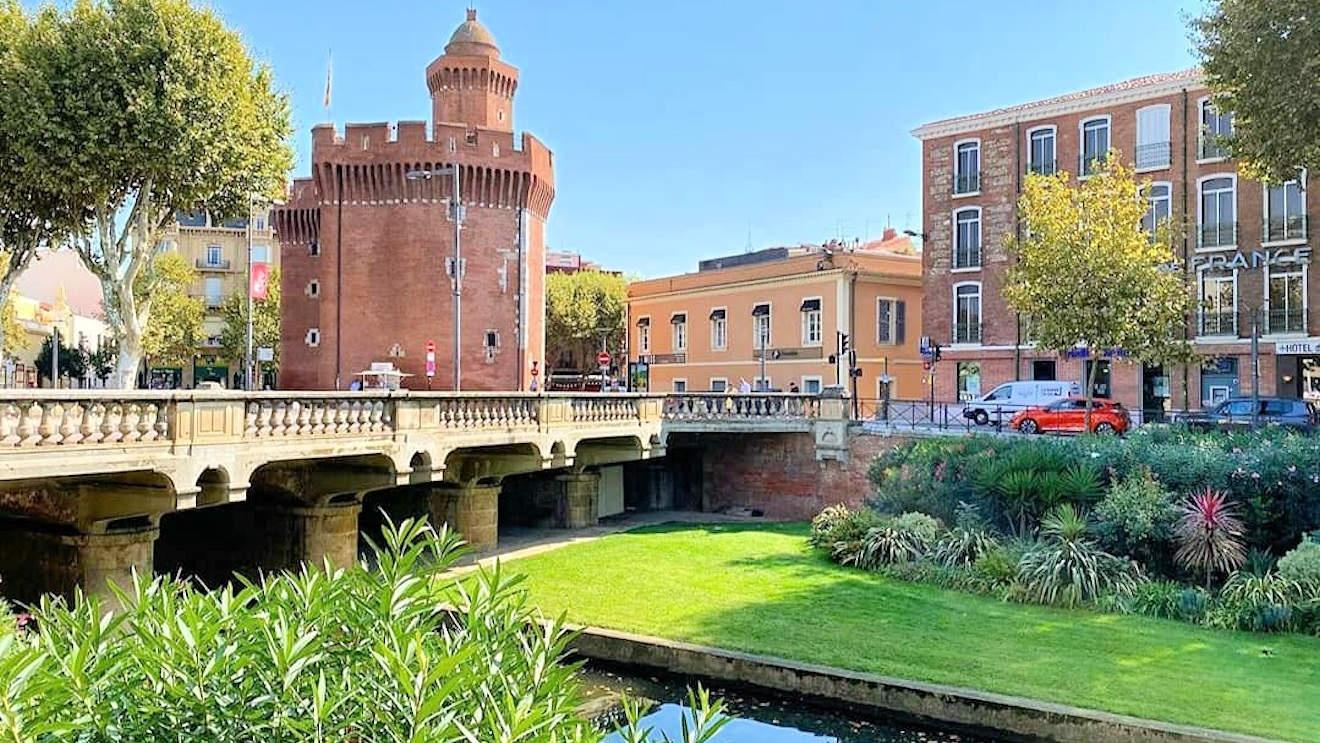
Perpignan sits between the Mediterranean and the Pyrenees, close to the Spanish border. Its Catalan character, historic streets and mild winters make it an appealing place for an extended stay. The city has useful transport connections, while the surrounding countryside offers beaches, mountain villages and easy access to Spain.
If you prefer to live near the sea, consider Argelès-sur-Mer, Collioure and Saint-Cyprien. For a village atmosphere, look towards Céret and the foothills of the Albères. Coastal properties often have seasonal pricing, so check whether the owner will accept a full 12-month rental.
Casa Baléares - coastal villa for long term rentals Southern France (Ref: 2029)
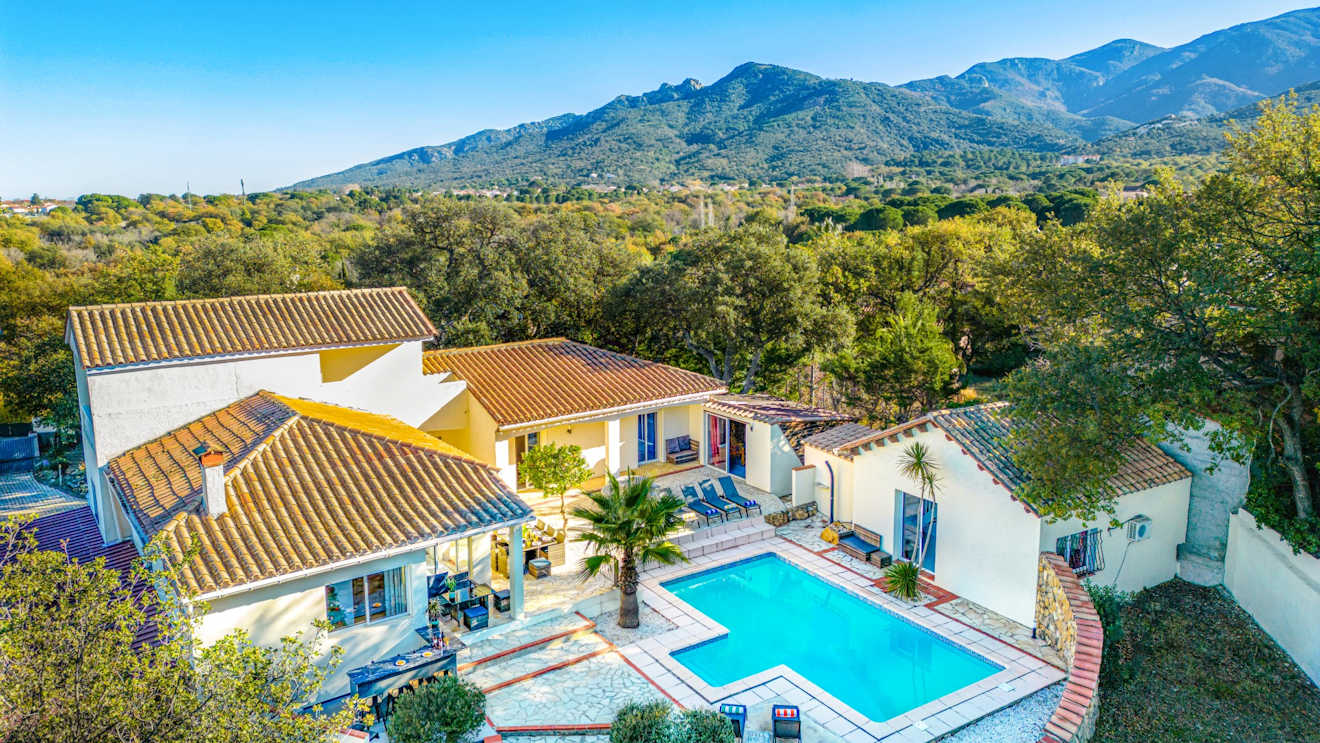
A spacious 5 bed villa for long term rentals in Laroque-des-Albères, beneath the Pyrenees. It has a private pool, garden and terraces. Village shops and restaurants are a short walk away. The Mediterranean beaches and Collioure are within easy reach.
Available now
Dordogne and South-West France – long term house rentals
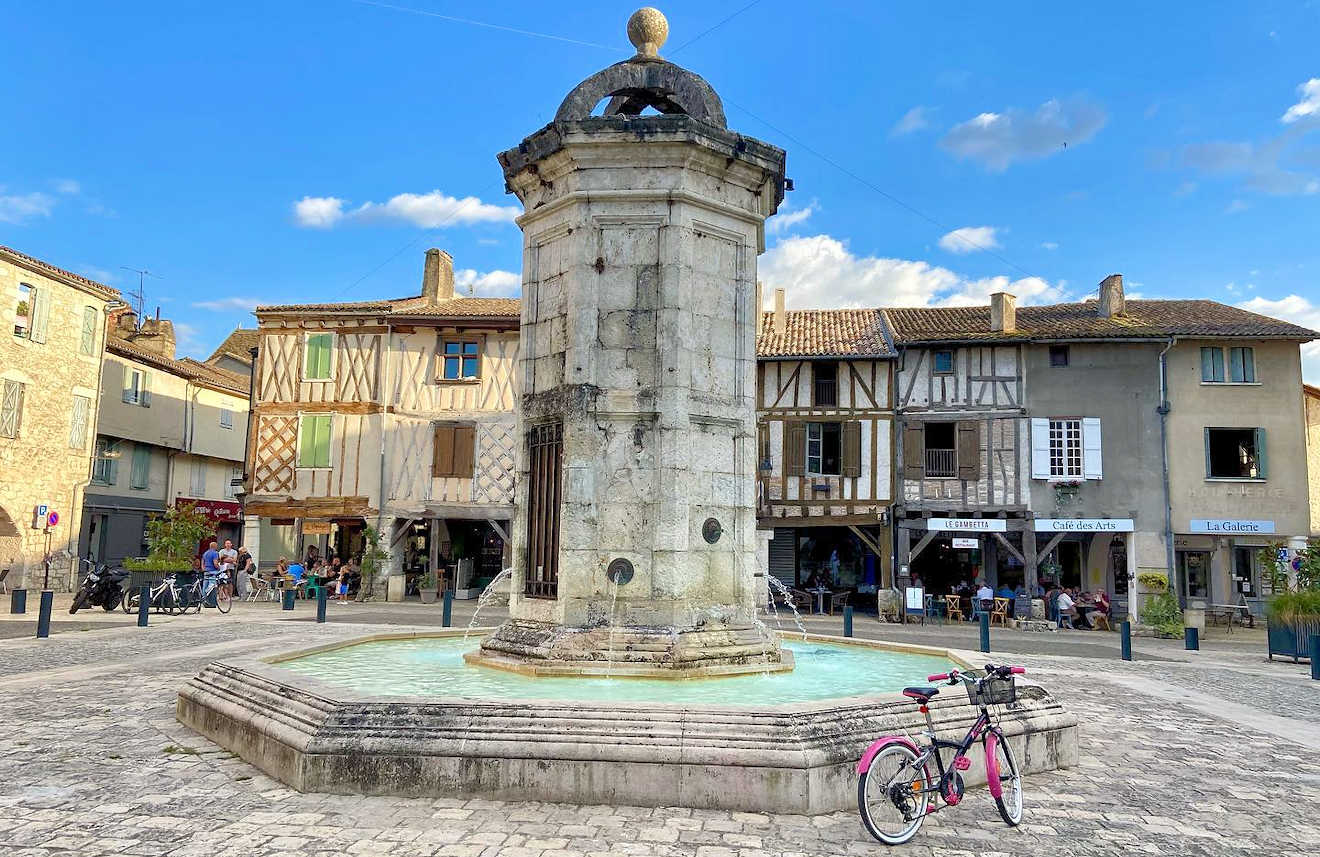
The Dordogne appeals to people looking for stone houses, attractive market towns and a quieter rural lifestyle. It is especially popular with British and other international residents, but it still feels distinctly French away from the busiest tourist villages. The region is a good choice for house hunters who want time to explore before deciding where to settle.
Sarlat-la-Canéda is a beautiful historic base, although it attracts plenty of visitors in summer. Bergerac offers practical shops, transport links and an airport, while Périgueux, Brantôme, Domme and Eymet are worth exploring. Further south-west, Cahors offers a different landscape and access to the Lot valley.
St Jean de Cole 5 bed house to rent in Dordogne France (Ref: 1891)
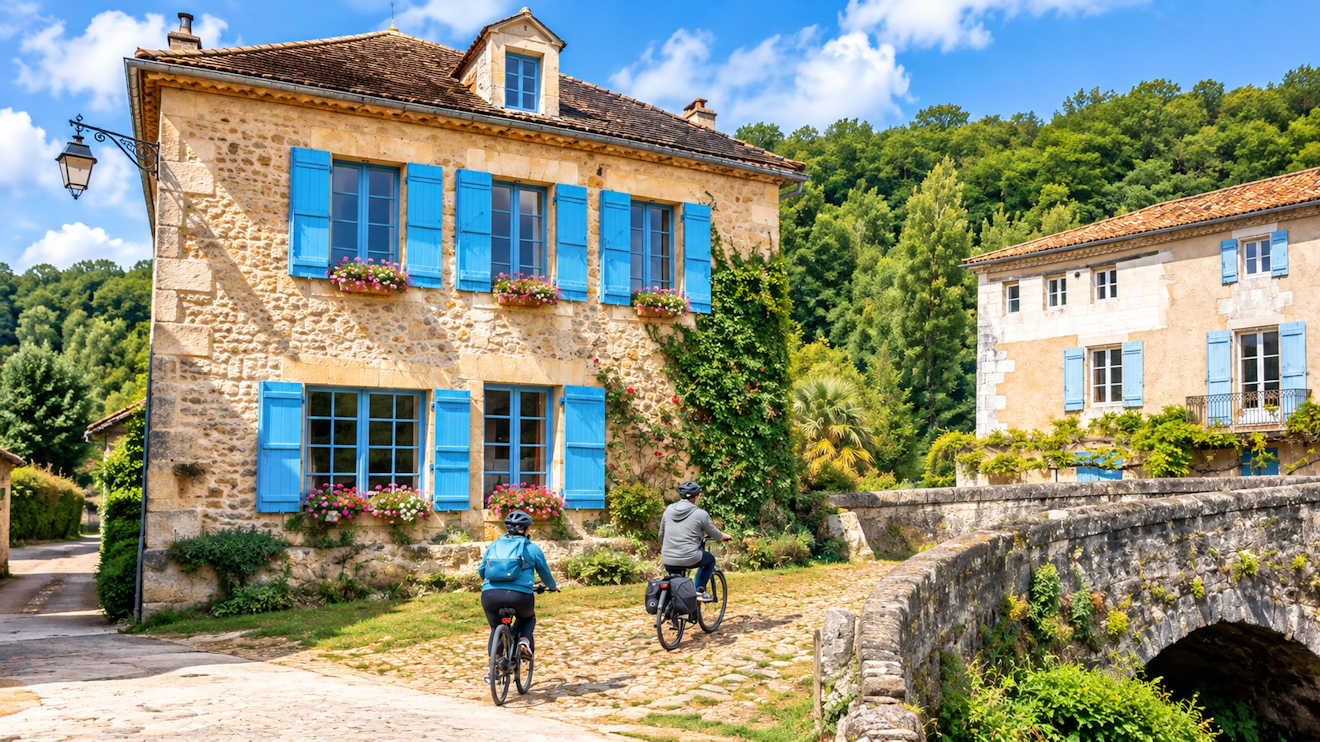
A renovated 5 bed stone house for long term rentals beside the river in Saint-Jean-de-Côle, Dordogne. It has 3 bathrooms, two living areas, a garden and a terrace overlooking the river and village.
Available now
Maison Bellair 4 bed long term rental near Eymet Dordogne (Ref: 2115)
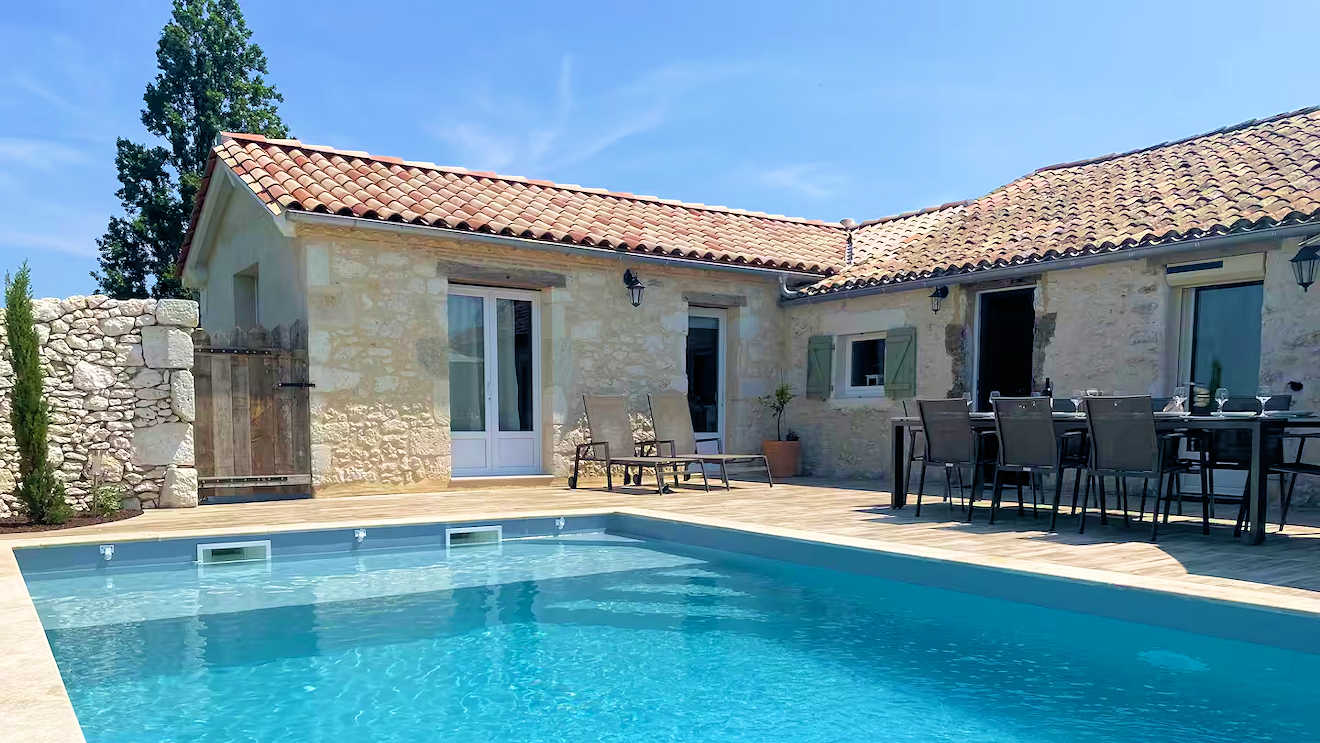
Maison Bellair is a 4 bed house for long term rentals near Eymet, on the Dordogne border. Château des Vigiers golf course is nearby. Bergerac, Saint-Émilion and the surrounding wine country are within reach.
Available from: 9 December 2026
Charente and Charente-Maritime – long term rentals
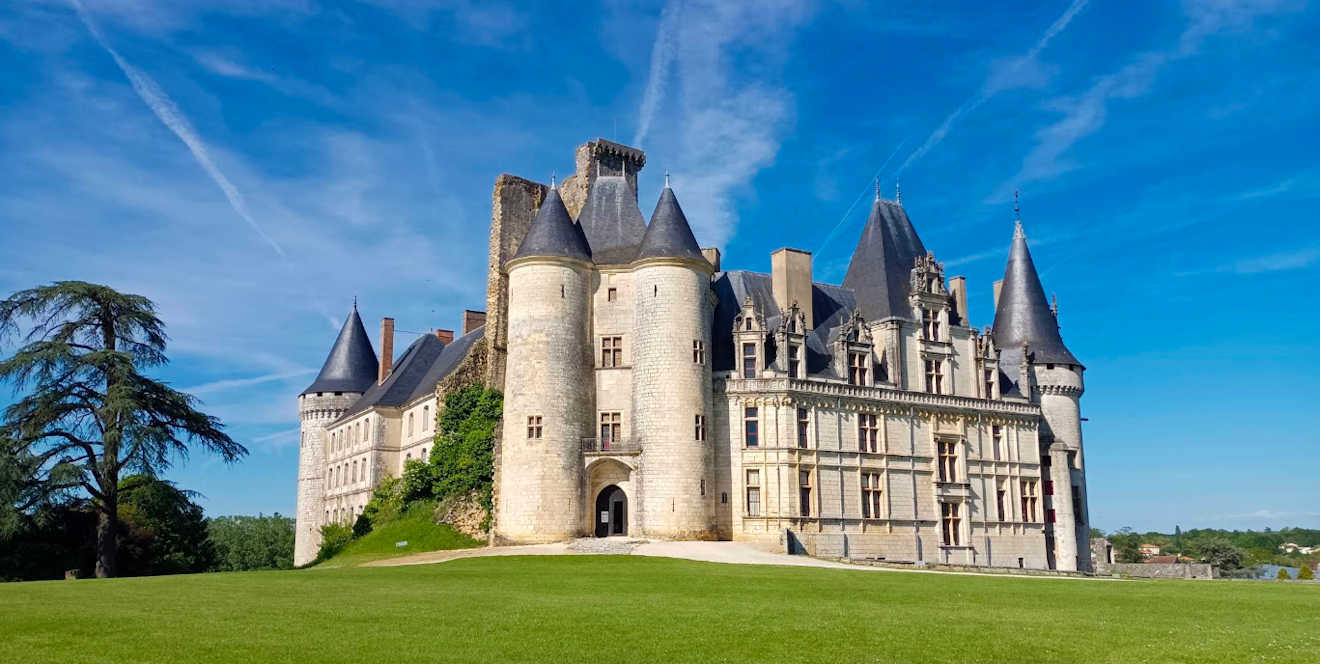
Charente and Charente-Maritime offer a useful alternative to the Mediterranean, with historic towns, rolling countryside and access to the Atlantic coast. Inland Charente is generally more affordable than the most sought-after coastal locations, while Charente-Maritime is attractive for its beaches, islands and maritime towns.
Angoulême has a lively historic centre and useful rail connections, while Cognac combines riverside scenery with everyday services. Jonzac and the smaller market towns are worth considering for quieter living. On the coast, La Rochelle is an excellent year-round town, although demand and prices are higher. For a more detailed comparison, see our guide to living in Charente and Charente-Maritime.
Apartment for long term rental near St Jean d'Angely Charente-Maritime France (Ref: 2370)
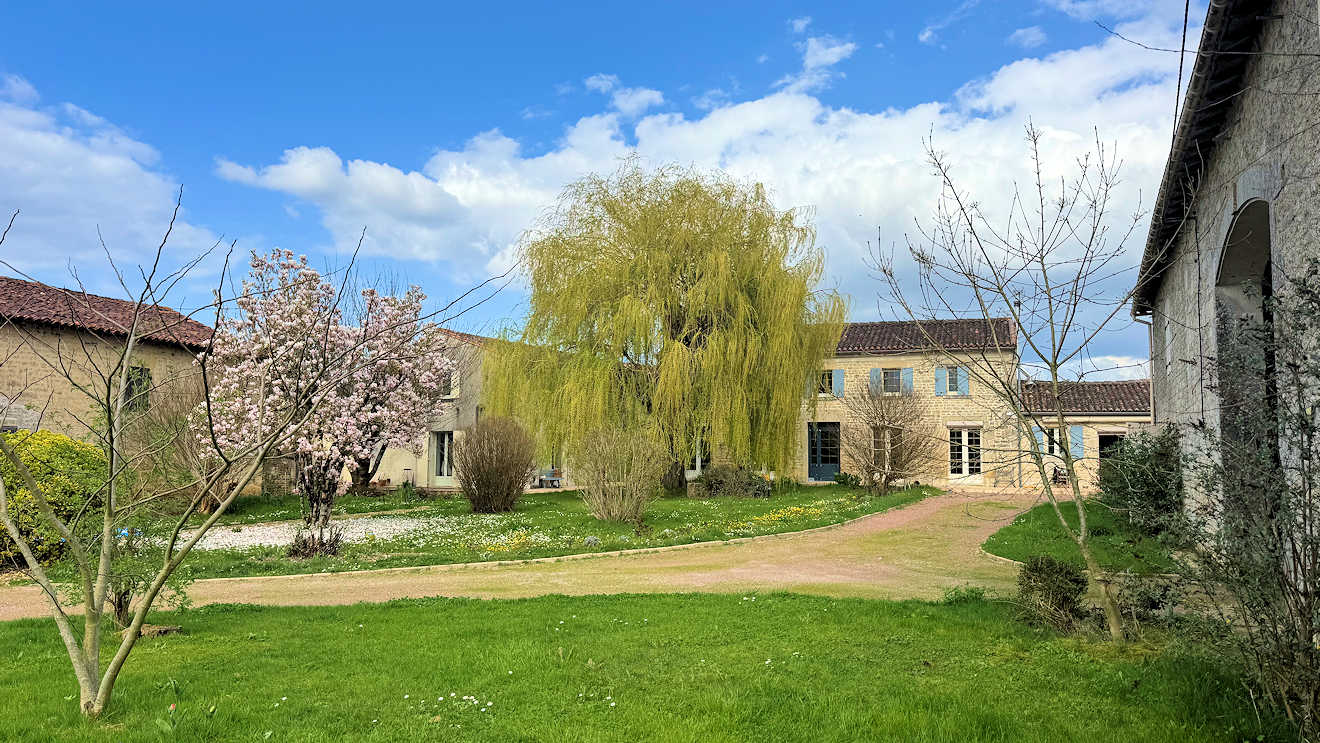
This lovely one bed apartment for long term rentals is located in the village of Néré, close to the popular town of St Jean d'Angely in the Charente-Maritime department. This spacious apartment is located on the ground floor and comes with a large open plan living room, conservatory and garden. There is parking.
Available now
Confolens house to rent in Charente France (Ref: 2319)
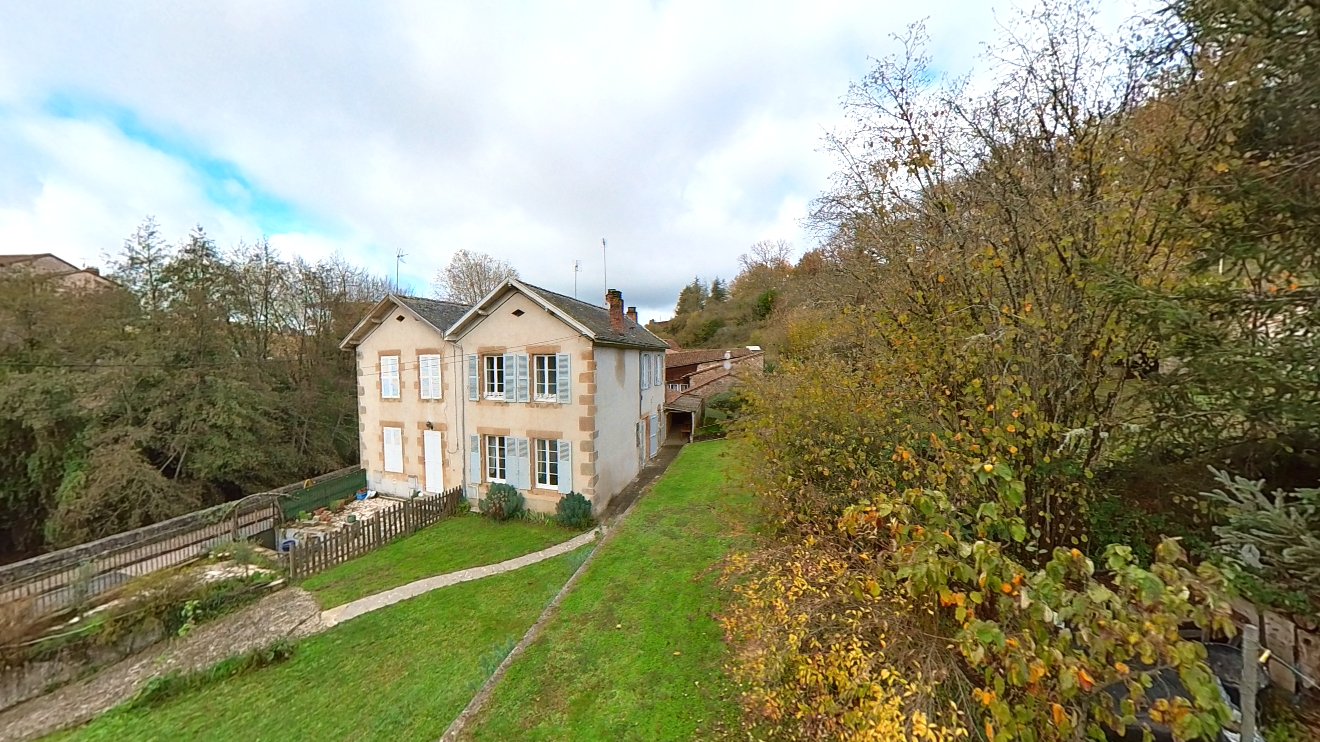
This lovely 3 bed townhouse located in the centre of Confolens in the Charente department. The house is laid out over 2 floors and provides 115m2 of living space. The house comes with gas central heating and fibre internet. The popular town of Confolens is a beautiful spot, located where the Vienne and Goire rivers join. The town has a good range of restaurants, shops and services, including a large indoor market.
Available now
Limousin – affordable long term rentals in France
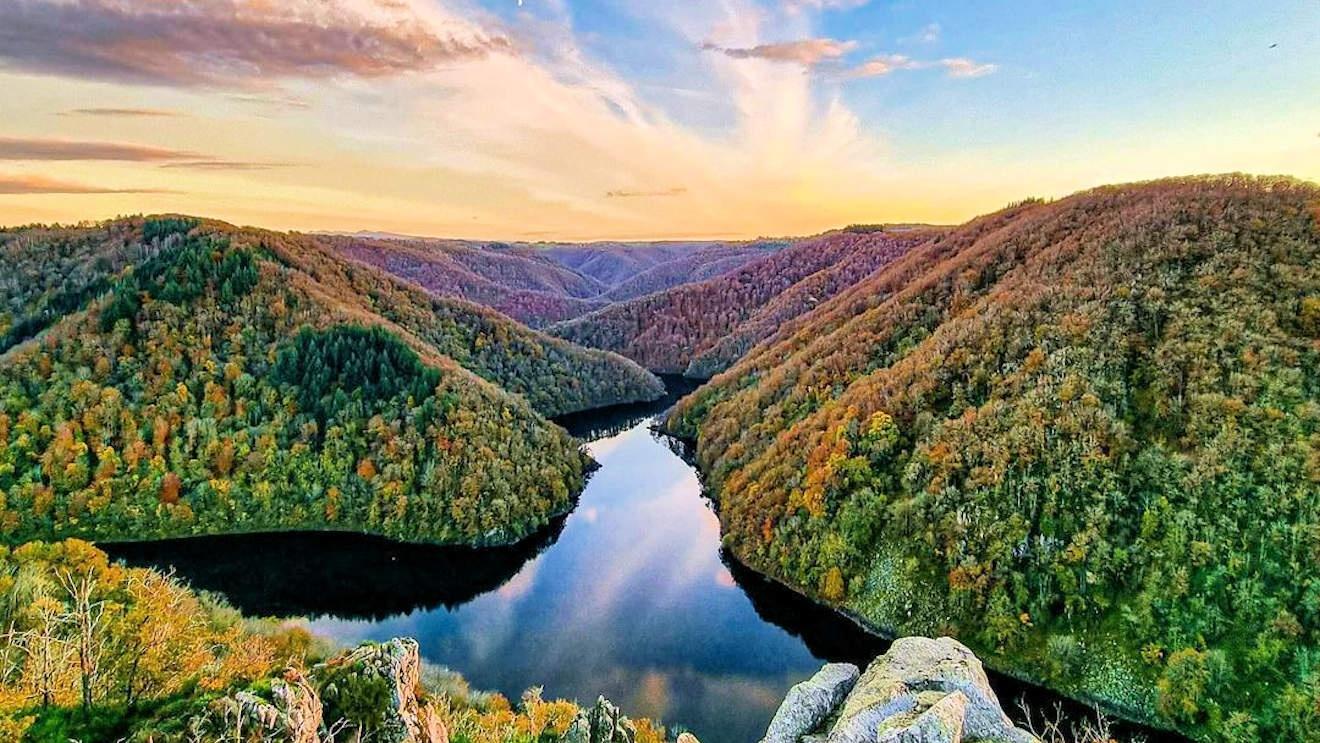
If affordability and countryside are your priorities, Limousin deserves serious consideration. This former region, now part of Nouvelle-Aquitaine, is known for its lakes, forests, rolling farmland and traditional stone houses. Rents can be considerably lower than in the most popular Mediterranean and Atlantic coastal areas, although a car is often essential outside the larger towns.
Limoges offers the broadest range of services, while Guéret, Aubusson and Bourganeuf appeal to people looking for smaller towns and rural communities. Brive-la-Gaillarde, just outside the former Limousin region, is another practical town to consider. Read more in our guide to cheap long term rentals in Limousin.
Driftwood apartment Bourganeuf South West France long term rentals (Ref: 2385)
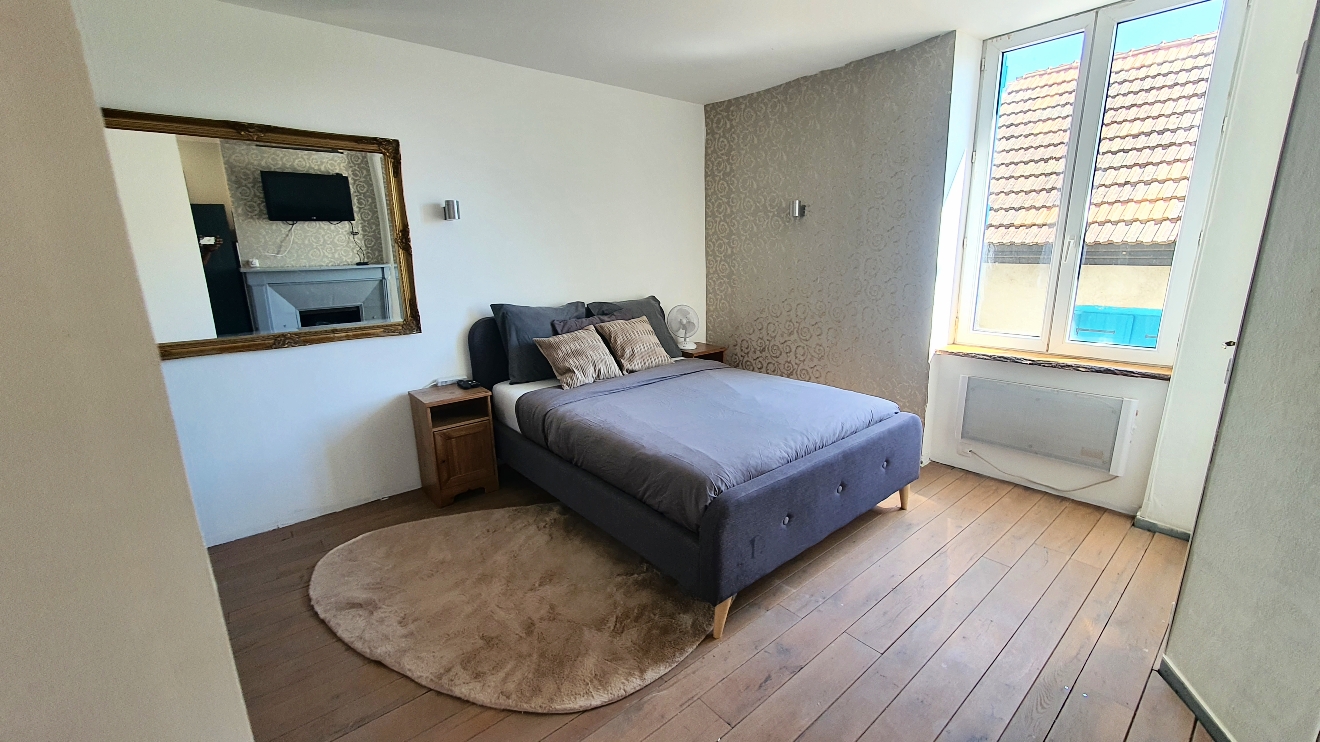
The Driftwood Apartment is a newly refurbished 1 bedroom duplex apartment for long term rentals, located in the centre of pretty medieval town of Bourganeuf, near the city of Limoges, in south-west France. The town was founded by the Knights Templar in the 12th Century and is situated in the Creuse department, a quiet and peaceful rural area of France, known for its lush rolling green hills, forests and lakes.
Wi-Fi. Garden. Courtyard. Washing machine.
Available now
The Burrow 2 bed cottage with garden for long term rentals France (Ref: 2289)
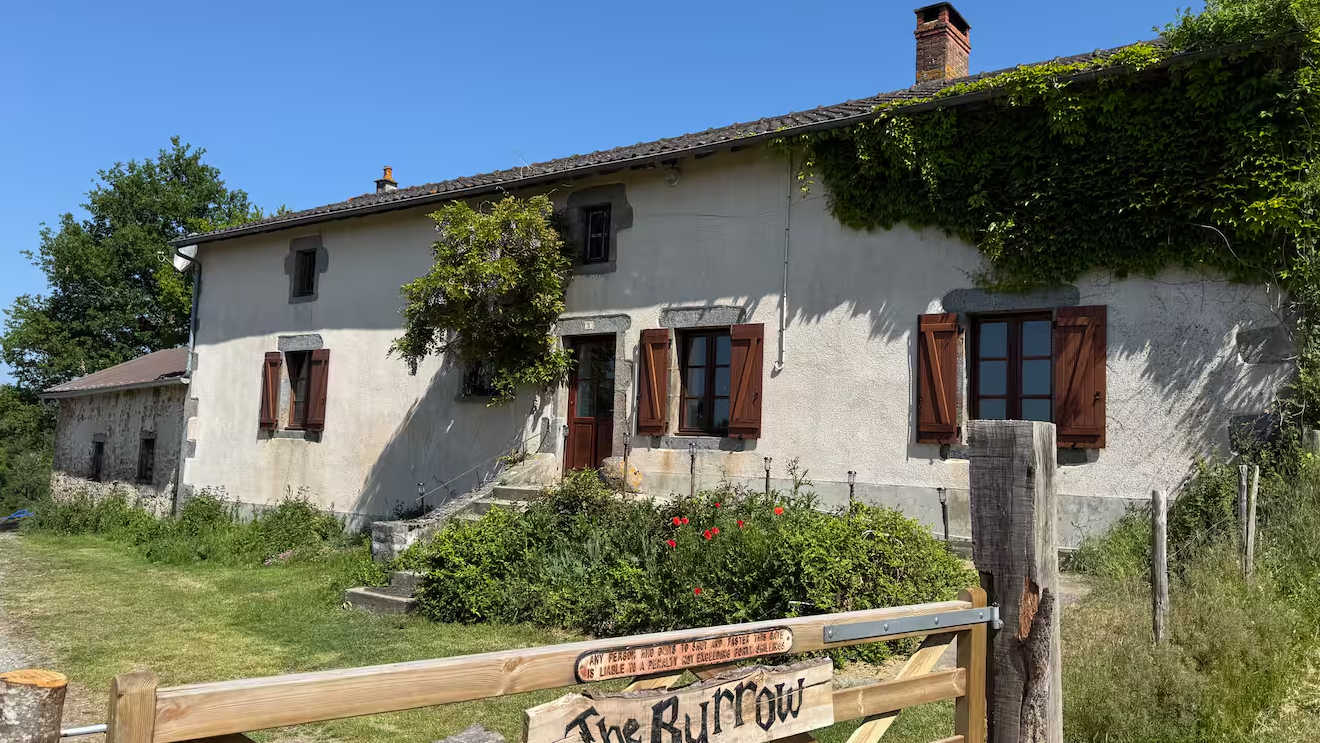
This lovely rural cottage for long term rentals is located in the Limousin region of France, just 40 mins from the city of Limoges. This is a cottage is a great place to stay. It is located on a semi-working Farm, with livestock in the nearby fields.
Available from: 1 February 2027
Explore this topic – moving to France
If you are planning a longer stay or considering a permanent move to France, these guides explain the practical steps, costs and paperwork involved.

What financial resources do you need to apply for a French long-stay visa?

Compare regions for living, working and retiring in France.

Understand health insurance and healthcare arrangements for a move to France.

Practical advice on opening a French bank account.

Budget for everyday living costs in France.
Compare the costs of renting a house or apartment in France long term.
If you have questions about renting or living in Southern France, you can contact Iain by email.