
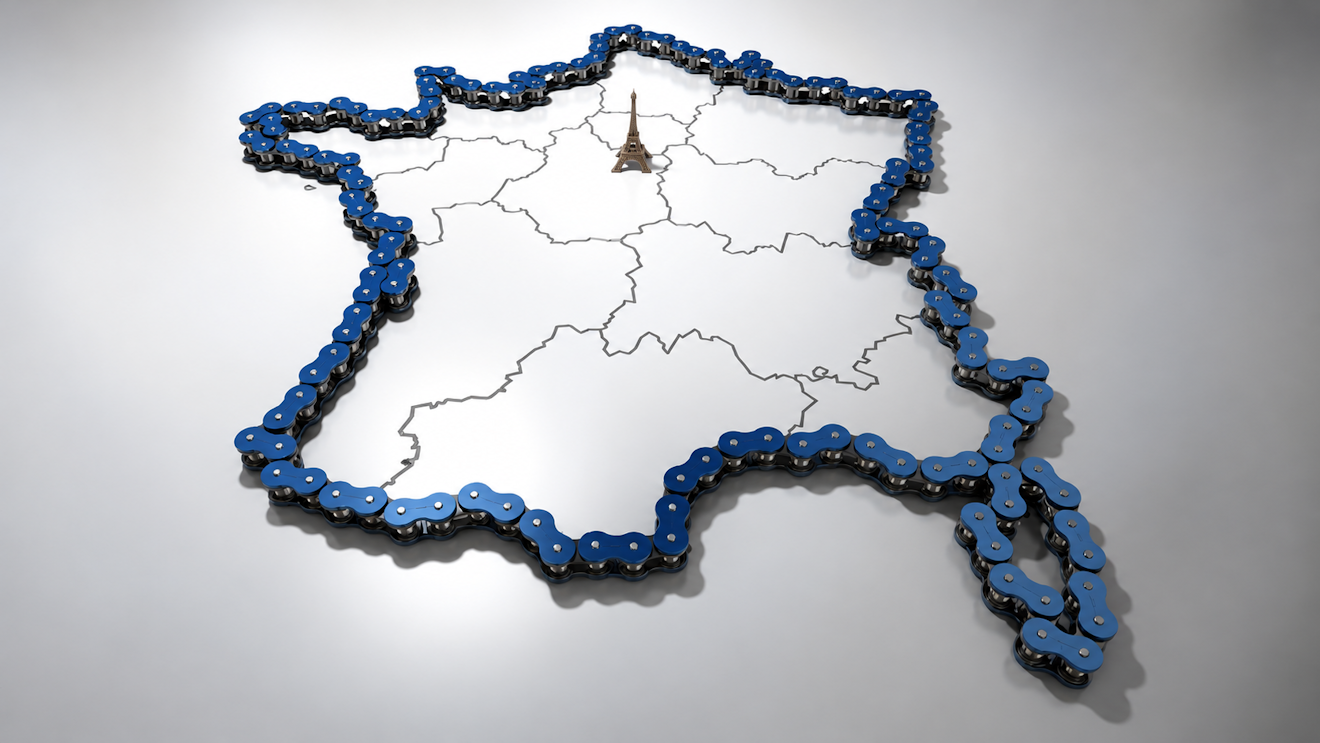
When deciding where to buy property in France, it is worth considering more than house prices. I often say that the where is more important than the what. I hate to quote the phrase 'location, location, location' (damn it, I have quoted it again). But it is absolutely true, especially with France. But how do you decide where to live when all you have to go on are memories of holidays in France, or recommendations from people you know? Surely, you need something a little more scientific than that? Fortunately, France has an excellent source of information about the quality of life in its towns and villages.
The French organisation L'Association des Villes et Villages où il fait bon vivre carries out one of the most comprehensive studies of quality of life in France. Its research covers more than 34,000 towns, villages and cities, assessing more than 70 different quality of life factors, such as healthcare, education, employment, public transport, shops, sports facilities, green spaces and the local environment.
The results provide a useful starting point for identifying desirable places to live. Throughout this guide, I have combined findings from this research with French property prices and my own experience of living and working in France.
I will also highlight house prices in different parts of France because, let's face it, your budget has a major influence on where you can afford to live. But one thing I always caution people about is that the best-value property is not necessarily the cheapest. A low purchase price can be offset by substantial renovation costs, poor energy performance, a lack of local shops and services, or difficulties when you eventually come to sell.
My advice is to start your property search by identifying two or three towns or villages where you would genuinely like to live. Then concentrate your search on those locations. Once you have your shortlist, you can compare recent property sales, the condition of available houses and the likely total cost of buying and renovating.
For buyers who are still deciding where to settle, spending several months renting in the area can be a sensible way to understand the local market before committing to a purchase. This is particularly helpful for people moving from abroad who have only experienced France on holiday.
I will firstly provide some background on the state of the French Property market in 2026-2027, before going on to discuss some interesting property locations in the different regions of France.
French house prices and property market trends
French house prices have experienced several cycles over the last 20 years. Following the financial crisis of 2008, the market went through a prolonged period of slower growth before recovering from around 2015. Low mortgage rates helped fuel a period of rising prices, particularly during the Covid years, when buyers increasingly looked for larger houses with gardens and properties outside the main cities.
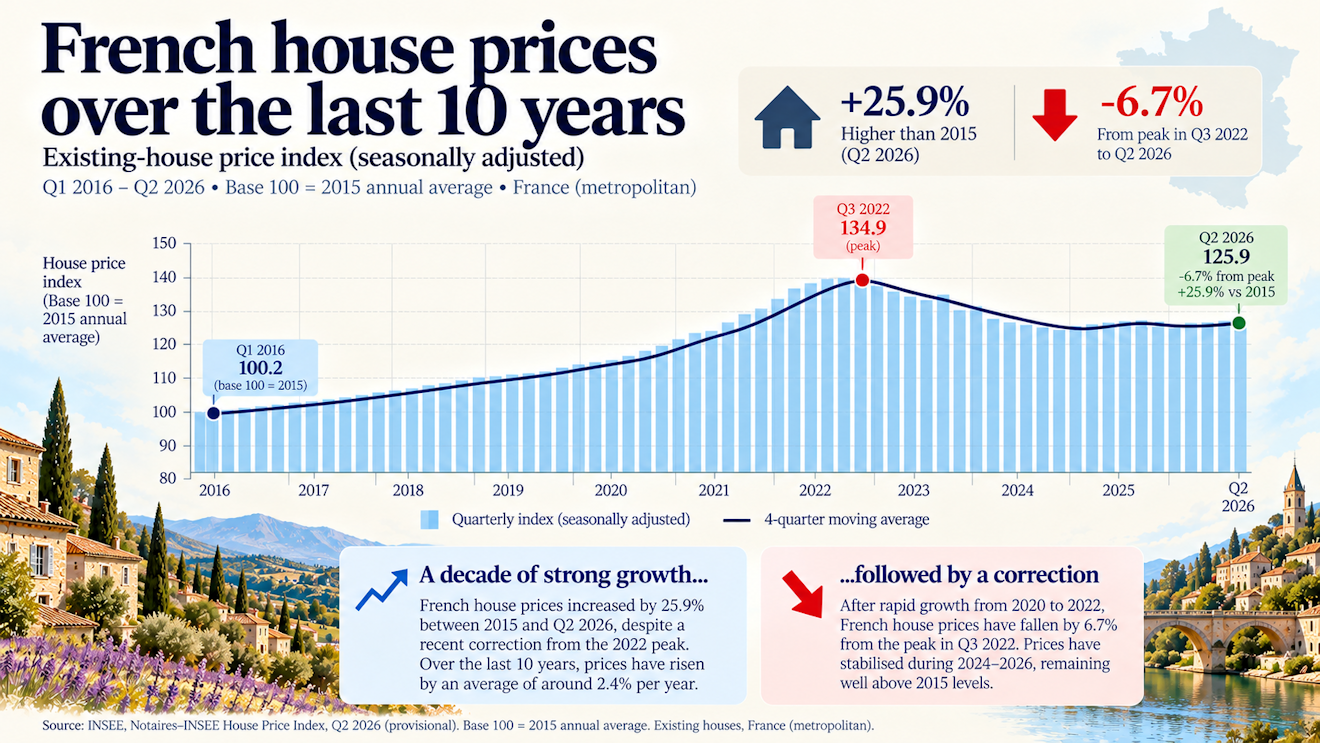
However, the sharp rise in mortgage interest rates from 2022 onwards brought that expansion to an end. Higher borrowing costs reduced buyers' purchasing power, sales slowed and sellers in many areas had to become more realistic about their asking prices.
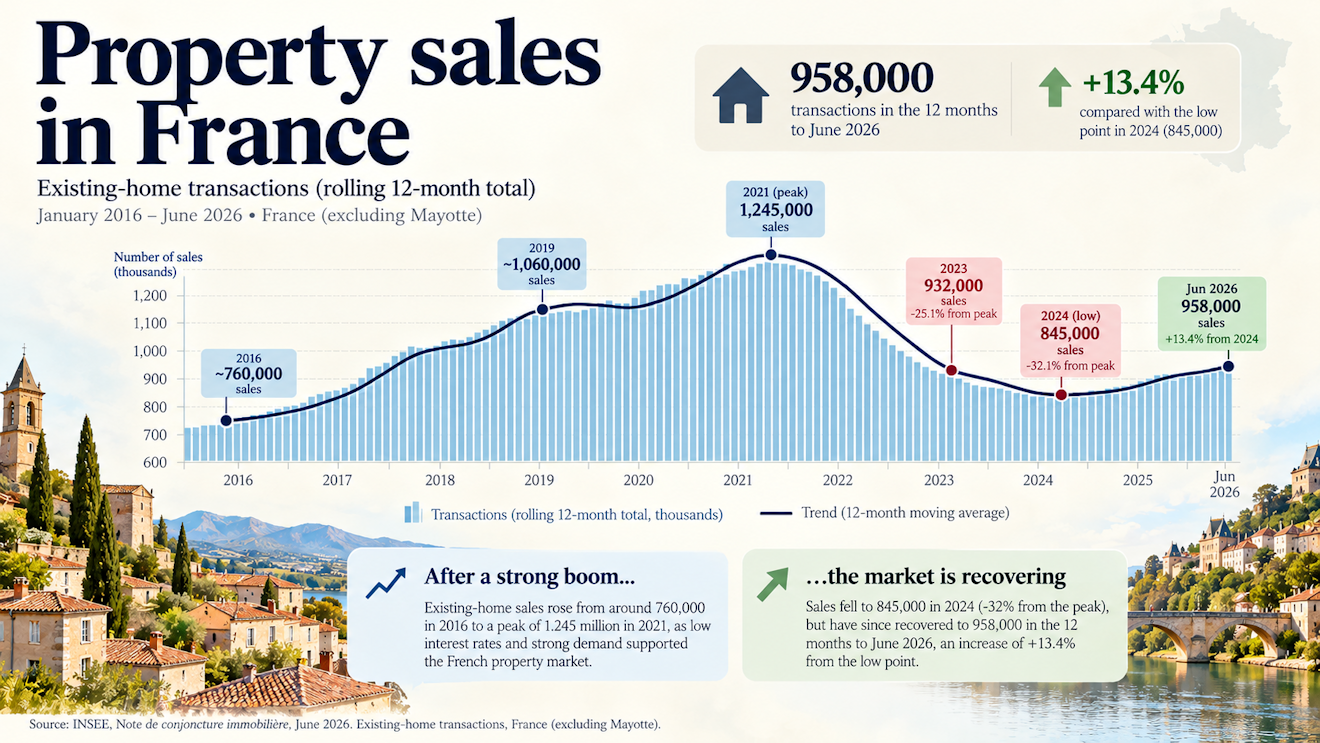
This is an important consideration when buying property in France. The property market doesn't always behave the same way as the property market in your home country. Don't expect 5% price increases year on year. House prices do not always rise, and a property purchased at the wrong price can be difficult to sell without making a loss, particularly after allowing for purchase costs and renovations.
That is why I always advise buyers to understand the local market and negotiate carefully before committing to a purchase.
How much do house prices vary across France?
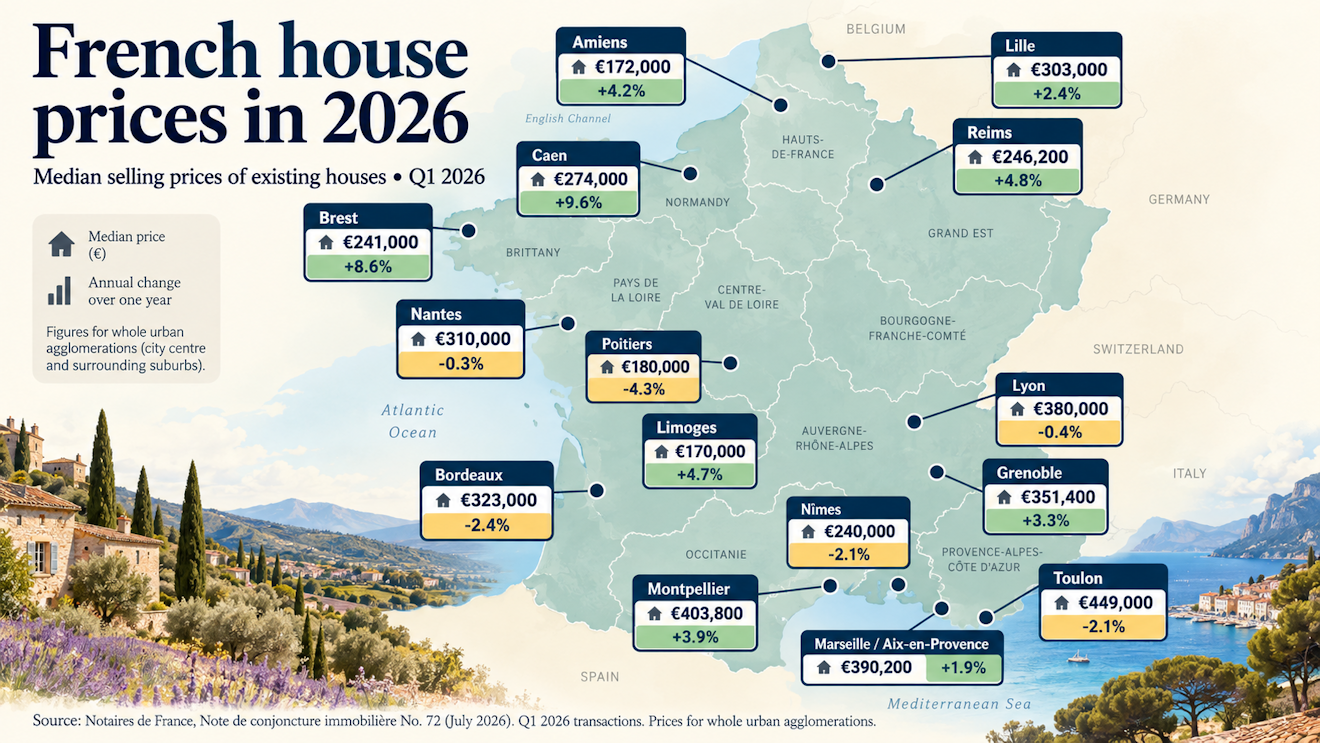
There is no meaningful single price for a house in France. Paris, the Côte d'Azur, prestigious parts of Provence and the Atlantic coast remain expensive. While buyers can still find considerably more value for their money in parts of Central France, inland Occitanie and the South-West. Even within the same department, the difference between a popular market town and a remote village can be substantial.
For buyers in 2027, I would look beyond the headline price. Older houses can be good value, but heating, insulation and roof repairs can add substantially to the cost of moving in.
Where are the best places to buy a house in France in 2027?
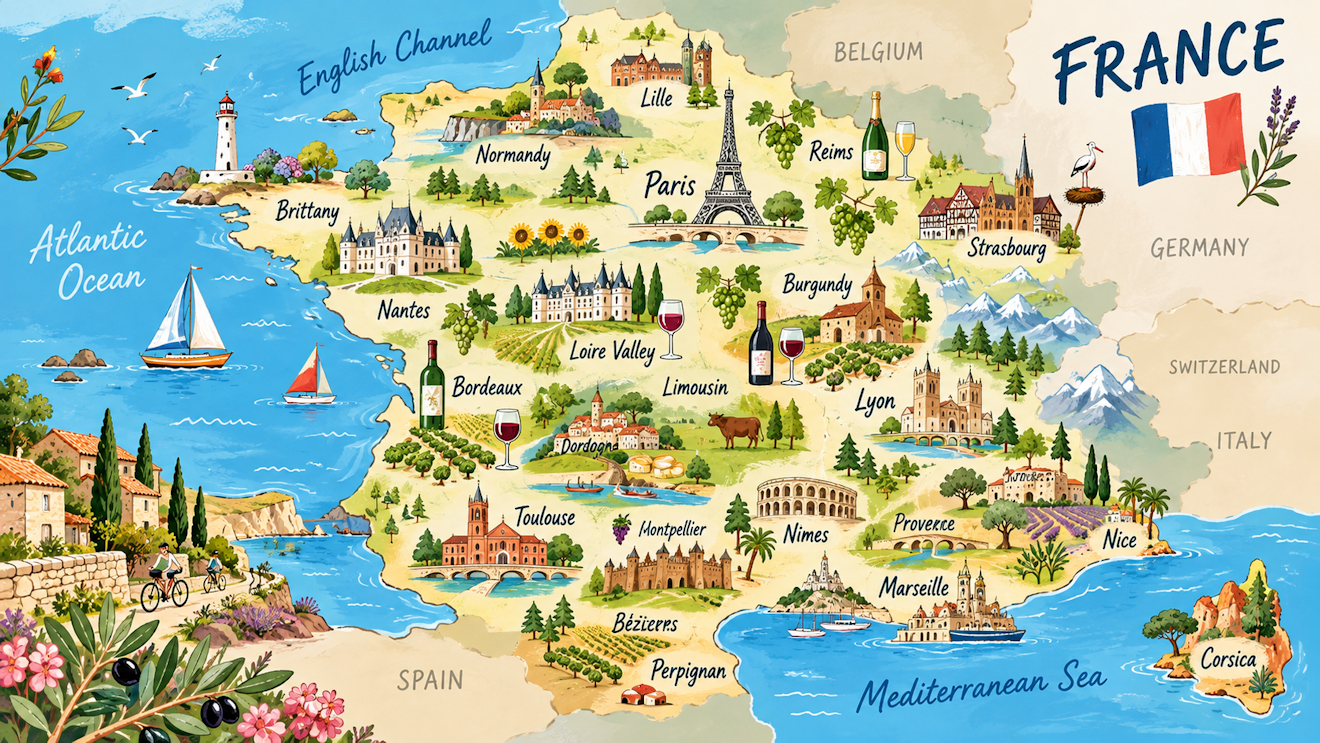
France is a large country with enormous differences in property prices, climate, landscapes and lifestyles. Even within the same region, prices can vary considerably between a popular market town, a coastal resort and a small rural village.
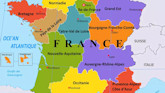
So where should you start looking? I have divided France into five broad geographical areas, highlighting some of the towns and cities that I think are worth considering. I have included approximate house prices, information about local amenities and quality of life, and some personal observations from places we have visited or know well. The aim isn't to produce a definitive ranking of the best places to buy property in France, but to help you identify a few locations that might suit your budget and the lifestyle you are looking for.
Northern France: Brittany, Normandy and the Loire region
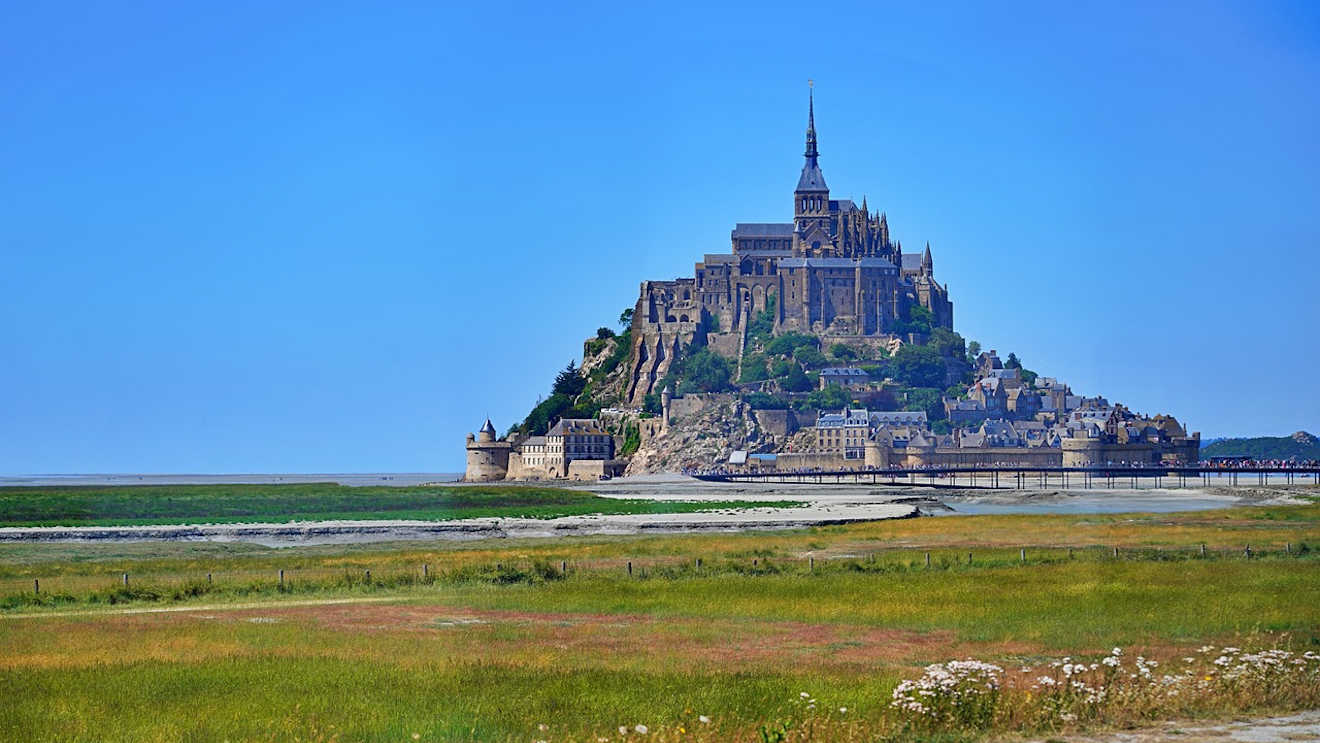
Brittany, Normandy and the Pays de la Loire attract buyers looking for traditional stone cottages, attractive towns and access to the coast. Prices are generally higher in desirable seaside locations and cities such as Rennes and Nantes, but inland villages can offer considerably more space for the same budget.
Brittany has a strong regional identity, an extensive coastline and many lively market towns. According to figures reported in early 2026, the median house price across Brittany was approximately €235,000, but coastal Morbihan and the most desirable seaside towns in Southern Brittany are expensive compared with inland Brittany. Southern Brittany tends to attract buyers looking for sailing, beaches and second homes, whereas inland areas can be more affordable.
The city of Rennes is the capital city of Brittany and has a total population close to 440,000 people within its catchment area. Rennes bills itself as one of the greenest cities in France - both in terms of its number of gardens and parks, as well as its advanced network of electric public transport and cycle lanes. L'Express magazine described Rennes as:
" . . . a city that has been on the rise for several years. Its economic and cultural dynamism, young population and green urban projects and shared gardens are legion . . ."
For property buyers, Rennes is attractive on account of its universities, including a highly regarded teaching hospital (Rennes University Hospital) the good employment and transport links. The central neighbourhood of Thabor-Saint-Hélier is extremely popular and commands premium prices (sometimes up to €5,000 per m2). The area of Villejean near the main hospital offers much more affordable property.
Normandy is particularly convenient for buyers who want to travel regularly between France and the UK. Its mix of ferry connections, rural villages, historic towns and coastal resorts appeals to both permanent residents and second-home owners. Prices can be very different in fashionable coastal areas compared with the inland countryside. Caen, Le Havre and Amiens are working cities with year-round activity. The average house prices in Caen hover around €253,000 and in Amiens at around €190,000. Some of the more fashionable coastal towns such as Deauville, Honfleur and Saint-Malo (which is one of my favourite places in France) all attract considerable premiums.
Further south, the city of Nantes is ideally situated, just 2 hours from Paris by TGV and less than an hour from the coast. In the 10 years prior to 2024, property prices in Nantes grew by over 27% (based on figures from the property advertising website, Meilleurs Agents). But since then, prices have dropped back by around -15% and house prices are now around €3,500 euros per m2 for apartments and around €4,000 euros per m2 for houses. The median selling price of property in Nantes at the beginning of 2026, was €310,000.
The popular city of Angers combines an attractive historic centre, good employment, well-regarded universities and access to the Loire Valley. The La Doutre neighbourhood in Angers, just across the river from the old town, offers plenty of property with historic character and is popular with the city's students. The districts of Saint-Serge and Saint-Léonard are also popular locations to buy. In the 2025 study by the Association Villes et Villages, Angers was voted the #1 best city to live in France ahead of Annecy, Bayonne and La Rochelle. The climate in Angers is quite mild. It isn't as wet as some of the towns and cities on the French Atlantic coast, receiving below average rainfall throughout the year. In comparison to Brest, in Brittany it receives 50% less average rainfall per year.
The Loire Valley offers another choice, with historic towns, beautiful Chateaux, vineyards and attractive villages. But it is not ideal in terms of local airports and rail access.
South-Western France: Bordeaux, the Atlantic coast and Dordogne
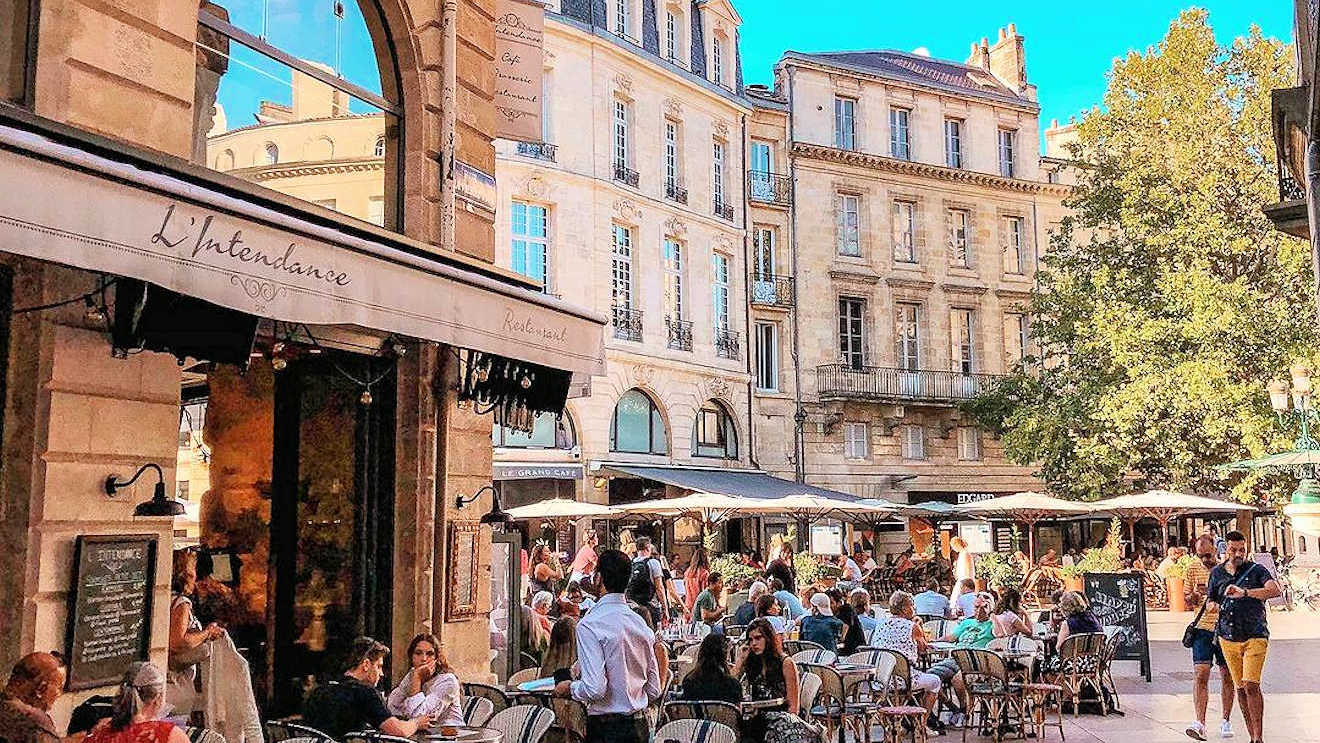
South-Western France covers very different property markets. Bordeaux is a major regional employment base and has excellent transport links, while La Rochelle appeals to buyers who want the Atlantic coast, sailing and a lively historic centre. Both command a premium. La Rochelle and the coastal resorts have a strong holiday and second-home market, but proximity to beaches and harbours is reflected in property prices. Houses in La Rochelle averaged around €4,230 per m² at the beginning of 2026 (so around €423,000 for a modest 100m2 house), illustrating how expensive desirable coastal locations in Western France have become.
In Bordeaux, the median price of an existing house was €345,000 in the third quarter of 2025, illustrating the premium attached to major cities compared with more rural parts of South-West France.
The city of Poitiers is a very different proposition. We stayed in Poitiers a couple of years ago on our way up to St Malo. I was very impressed with the city. The historic quarter close to the cathedral was very pretty. The University of Poitiers is one of the oldest in France and the city has over 27,000 students (over 30% of the population is under 30 years old). Poitiers is located in the Nouvelle-Aquitaine region and lies 1 hour 30 mins to the Atlantic coast at nearby La Rochelle. There is a direct TGV train service from Poitiers to Paris (2 hours) and Bordeaux (1 hour 17 mins). The popular Futuroscope theme park is located just north of the city.
Poitiers has historically has offered much lower property prices than surrounding cities. In Poitiers, it is possible to pick up a house for under €200,000. The neighbourhoods of Rocs (close to the train station) and Montmidi on the western-side of Poitiers, both offer affordable family houses with gardens. Also, the area from Pont-Neuf out to the University hospital has recently attracted a lot of redevelopment and property investment. Poitiers deserves serious attention from buyers who want an affordable, functioning city surrounded by rolling countryside. Poitiers reached #2 in the list of the of Best cities to live in France and was described by L'Express magazine as:
". . . A paradise for young people who benefit from accommodation among the cheapest in France. With its theatres, its cinemas and its street festivals, the city offers a great quality of life and complete safety . . ."
The Dordogne and Charente-Maritime are always popular with overseas buyers seeking stone farmhouses, village houses and properties with gardens or land. Towns such as Eymet, Sarlat, Brantôme and Saint-Jean-de-Côle are popular locations and properties close-by can command more than those in less visited villages. In Dordogne, there are only 5 towns with a population above 10,000 people. If you looking at Dordogne (or the neighbouring areas below), I would look very closely at the distance to a supermarket, medical services and a town with year-round activity.
Further inland, parts of the Charente, Lot-et-Garonne and and the Lot department offer a wider choice of traditional houses, village properties and renovation projects. These areas remain popular with foreign buyers, but prices vary considerably between a busy market town, a picturesque tourist village and an isolated rural property.
Bayonne and the Basque coast are attractive but operate at a very different price level from inland South-West France.
I discuss living in South-West France in more detail here: Moving to South-West France
Central France: where property can still offer good value
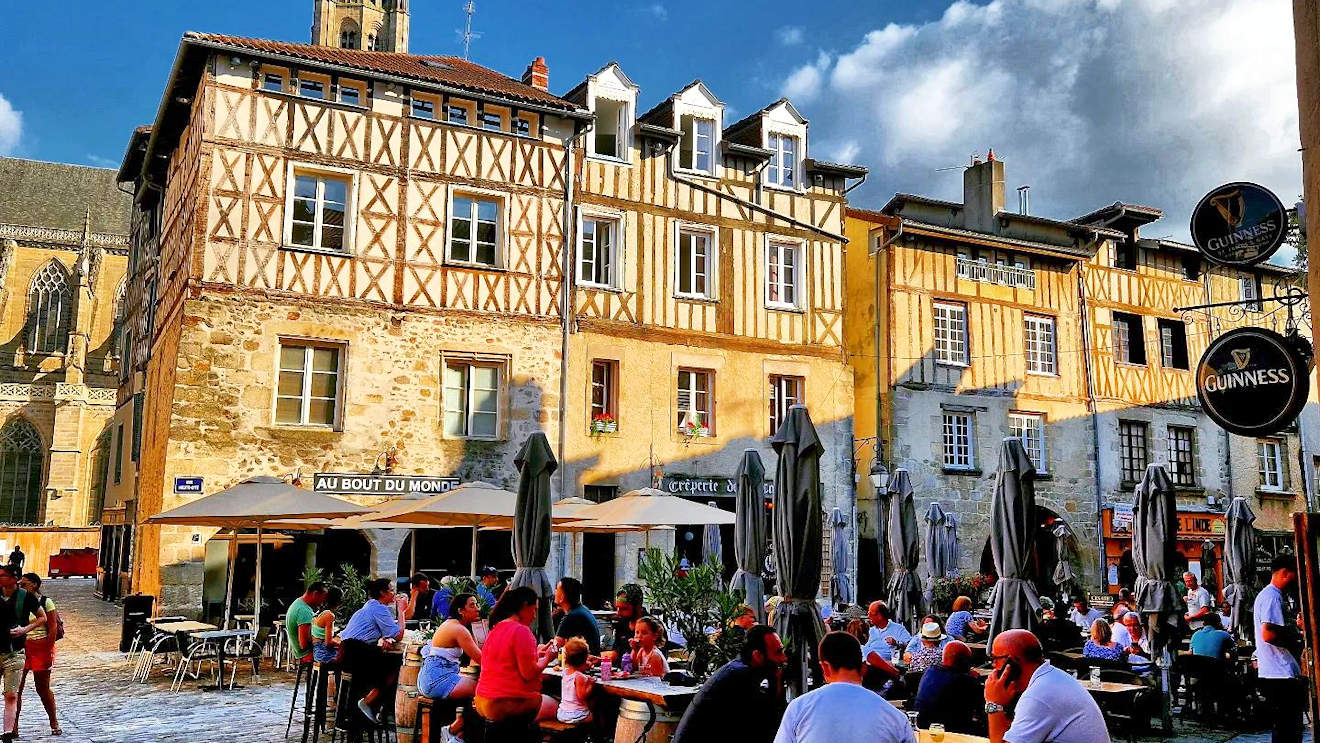
If your priority is space for the money, I would begin with Haute-Vienne, the Creuse, Indre, Cher and Allier. These departments have long offered some of France's cheapest village houses, family homes and renovation projects. But there is a reason why some rural areas are inexpensive: fewer local jobs, population decline, long journeys and a smaller pool of buyers when you eventually sell.
Limoges is an obvious place to investigate. It offers good employment, shops, cultural life and healthcare, yet has historically modest property prices. The city has around 130,000 people and was an important centre for porcelain production, and the company Haviland is still in the city. Other important employers in the city include the Legrand electrical component manufacturer, Renault trucks and Schneider Electric. You can still find houses in Limoges for and average of around €170,000 (for a modest 100m2 house) and attractive houses from the 1930's sell for around €200,000. A recent article in the Le Monde newspaper, highlighted the Émailleurs district in Limoges as a popular place to buy, especially with medical professionals because of its proximity to the university hospital.
Source: Le Monde.fr
Limoges also scored well on the Association Villes et Villages survey, coming in at the 15th best large French town to live in. L'Express magazine also nominated Limoges as a great place to live in France because it offers:
". . . a peaceful living environment with the purest air quality in France, it is a lively university town and there is a rich and varied theatre and musical cultural programme . . ."
Châteauroux is the largest town in the Indre department and is its capital. For a number of years Châteauroux has remained the cheapest regional capital to buy property in France. Châteauroux has a population of 43,000. It is quite a pretty place, with many old Mansion houses in the centre and many Petit Chateaux (small country estates) in the surrounding countryside. Châteauroux has a TGV railway station with train services to Paris, Limoges and Toulouse. The median sales price of property in Châteauroux was just €135,000 during the 12 month period to Q1 2026. It is an excellent example of why Central France should be on the shortlist for buyers with a modest budget, although cheap property alone does not guarantee the right lifestyle.
Bourges, in the Cher, combines a historic centre with everyday services. You should be able to find houses here for around €150,000 and apartments for around €1,520/m². Clermont-Ferrand, further south in the Auvergne, provides another option for buyers who want a proper city, employers and access to the countryside. House prices here can be around €200,000.
The one thing I would caution people against when looking to move to central France, is that there is a reason why property prices are so much lower here than the rest of France. The region has undergone extensive de-population over the last 20-30 years, as younger people leave the towns and villages for the larger cities (with more life and job opportunities). So if quiet is what you are after, then quiet is what you will find here. Also low property prices are attractive, but an inexpensive house requiring a new roof, modern heating and extensive energy improvements may not be such a bargain. Before you commit to buy, I would always assess the complete purchase price plus the likely renovation budget, against the going market rate for fully modernised properties in the area.
I discuss living in the old Limousin region of Central France in much more detail here: Limousin region of central France
Eastern France: Lyon, Burgundy and the Alps
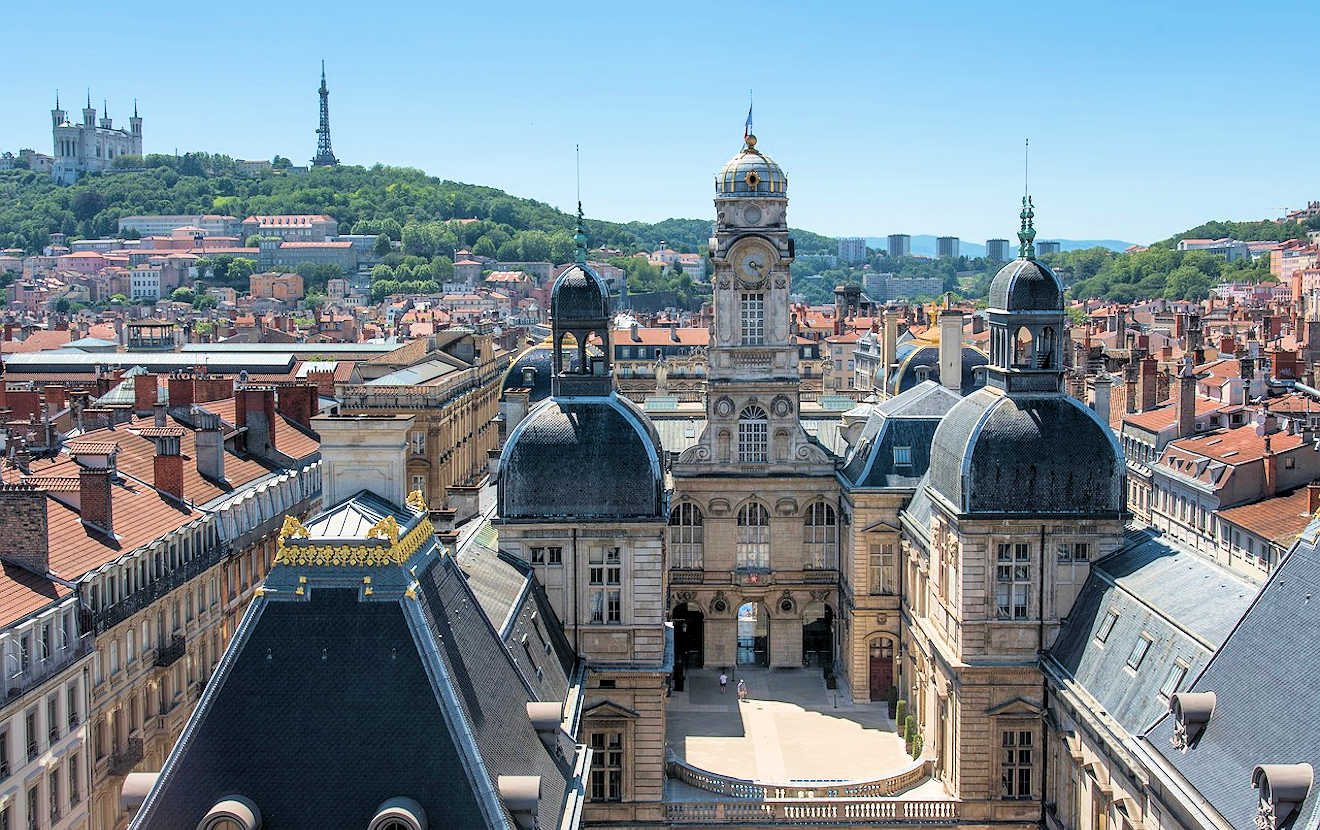
Eastern France has some of the sharpest contrasts between expensive and affordable locations. Lyon is one of France’s major employment and transport centres, which helps explain why its property market is quite different from the quieter countryside further north. We visited Lyon this summer and the centre is very pretty. I really liked it. Would I live there, I am not so sure. It is also fairly expensive, with average house prices of around €422,000. Yet Saint-Étienne, only around 60km away, is much less expensive, with apartments quoted at €1,210/m² and average house prices at €220,000.
Further north, Dijon provides access to Burgundy's wine country and historic towns. Average house prices in Dijon are fairly reasonable (around €257,100 on average). Smaller Burgundy towns and villages may offer better value, particularly away from the most famous vineyards and tourist centres. Besançon is another city worth considering for its services and proximity to attractive countryside.
The Alps are another market altogether: established ski resorts and scenic lakeside towns can be expensive, while smaller towns away from the principal resorts may be more accessible. A property close to a prosperous city or a well-known ski resort may cost substantially more than a similar house only a short distance away. If buying in a mountain area, consider winter access, heating costs and the difference between seasonal and year-round demand.
The city of Mulhouse in Alsace deserves a closer look for buyers interested in affordability combined with employment and cross-border connections. It also has the benefit of providing easy access to Basel in Switzerland, where you can find higher paying jobs. Apartments in the city can be found for as little as €1,230/m².
At the other end of the market, Annecy is renowned for its lake, mountains and quality of life. Located on the shores of the Lac d'Annecy, with its famous clear turquoise waters, the town lies 35 km south of Geneva and 1 hour 30 mins east from Lyon. Following a 2 year study by the L'association des villes et villages, Annecy came out as the #5 place to live in the whole of France. Annecy was also voted #7 in the 2024 list of the Best cities to live in France according to L'Express magazine. , But Annecy is not a bargain destination. In 2026, Notaires de France recorded a median house sales price of €604,200 for a 100m2 sized house, rivaling Paris and parts of the French Riviera as the most expensive places to buy property in France. The same applies to many well-known Alpine resorts.
Southern France: Provence, Languedoc and the Côte d'Azur
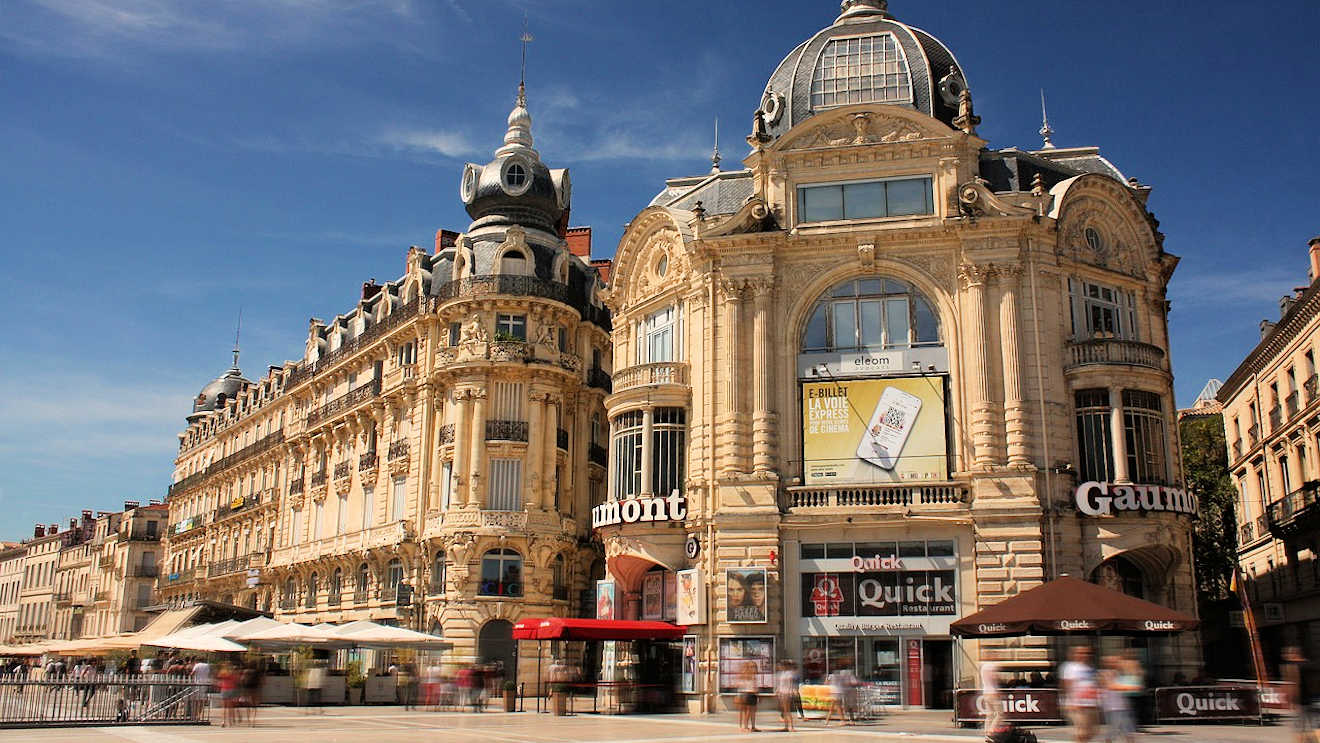
The South of France is where I have the most first-hand experience. Provence and the Côte d’Azur are beautiful, but their most famous towns and coastal locations come at a price. Move west into the Languedoc, however, and the same budget may buy considerably more space, particularly a little inland.
Montpellier is a thriving university and business centre. It provides an example of the higher prices found in popular southern cities, with a median house price of approximately €400,000 reported in early 2026. House prices in nearby Nîmes, and Béziers are around 30-40% cheaper.
Béziers and Narbonne are places I would have a real good look at, compared with Montpellier. They have real old city centres, Roman monuments, markets, fantastic festivals, excellent shops and services. Also, they provide easy access to the Mediterranean coast without necessarily paying the prices of the most prestigious coastal resorts. House prices in Nimes averaged around €270,100 in early 2026 and the Camèreau neighbourhood close to the hospital, is a popular location for families and professionals.
Beziers is also another place to have a serious look at. We live about 20 mins from Beziers. Going back 15 years, you wouldn't have dreamed of going to Beziers. It was scruffy and had a host of social problems. But the local mayor has taken the city by the scruff of the neck and totally transformed the place. It is now a real delight to visit, especially the so-called 'golden triangle' area between the cathedral and the tree-lined boulevard, Allée Paul Riquet. This is where the serious money is being invested in the Languedoc. Property is still incredibly cheap in Beziers and you can still pick up decent 2 bed apartments for as little as €130,000. In fact, Beziers is reputed to be the cheapest city to buy property on the whole Mediterranean coast (from Nice to Perpignan).
Pézenas, Uzès and Sommières will also appeal to buyers who want attractive historic streets, restaurants and markets. A property within walking distance of those amenities may be a better long-term purchase than a larger but isolated house.
Along the coast, Sète, Mèze and Marseillan offer different combinations of harbour life, beaches and access to Montpellier or Béziers. Collioure, near the Spanish border, is another striking coastal town, although its appeal is reflected in property prices. Cap d’Agde is a different proposition. If you don't know it, Google it! But property located in the large naturist village in Cap d'Agde has some of the best rental returns in the whole of France. Where there is demand (perhaps even desire), there is money.
Further east, Aix-en-Provence, Nice, Toulon and the better-known villages of Provence command higher prices. The key question is whether you want the prestige and location enough to accept a smaller property, or whether you would enjoy a larger house and more outdoor space further west.
My advice: don't base your property buying decision based on a short trip out in August. Visit in winter, check the local shops and services, and think carefully about how far you want to drive to the coast, airports and restaurants. A cheaper property can be excellent value, but only if you actually enjoy living there.
Which are the cheapest places to buy property in France?
Based on the towns highlighted in the original regional research conducted by the L'Association des Villes et Villages où il fait bon vivre organisation, my first shortlist for affordable property would include Châteauroux, Limoges, Bourges, Poitiers, Saint-Étienne, Mulhouse and Clermont-Ferrand. For a southern alternative, I would also compare Nîmes and Béziers with Montpellier.
These are not a definitive ranking of France's cheapest towns. What makes these places interesting is the combination of relatively affordable housing with actual shops, employment, healthcare, transport and cultural life.
For a fuller discussion of schools, retirement, employment, family life and overall quality of life, see The 10 best places to live in France in 2027. This guide focuses on the property-buying decision rather than repeating that article's lifestyle research.
What type of property should you buy in France?
It is tempting to buy the largest house you can afford, especially when a rural property costs less than a small town house. But I would think about how you will use the property in five or ten years. A village house near shops can be convenient for a couple, while a larger detached house with a garden may suit a family but cost more to heat and maintain. An old farmhouse can be wonderful if you have the budget and appetite for renovations.
I would also pay close attention to layout. A house with awkward bedroom access, limited bathrooms or no practical parking may be harder to live in, rent or resell. A property that is inexpensive because it needs extensive work is only a bargain if the finished value justifies the total spend.
Buying a French house for holiday rentals: what I look for
Some buyers want a home they can enjoy themselves and rent out when they are away. I have helped with this type of property in Languedoc, and my advice is to buy with the future guest in mind rather than relying on an optimistic rental-income projection. These are the features I would look for:
- Reasonable access to the coast or a popular inland destination, depending on the target rental market.
- Convenient access to an airport with useful routes for likely guests.
- A walkable village or town with a bakery, restaurants, shops or a market.
- Attractive outdoor space, a terrace and, where appropriate, an in-ground swimming pool.
- Off-road parking and a practical, family-friendly layout.
- Enough bathrooms for the number of bedrooms, ideally with scope to improve.
- A distinctive selling point: a view, a beautiful terrace, a pool setting or an especially attractive interior.
- I often ask buyers to imagine the main photograph of their property on a holiday-rental website. If you cannot picture the feature that would make someone choose it over dozens of similar houses, think carefully before buying. The same principle can help with resale, even if you never intend to rent the property.
Our advice: buy the town or village, not the house
OK, so this might need a bit of explaining. We deal with a lot of long term rental clients who are renting through us before they buy. I always tell them "buy the village not the house". What I mean by that is that over the long term, the location is what is so important. You can change the house to your needs and style. What you can't do is open a local boulangerie, create a weekly market, set up a cool restaurant or have a local bar. That is what impacts your quality of life, not whether you have exposed stone walls or a 3rd bathroom.
Over the years, I have seen people make the same mistake over and over again. They get seduced by a beautiful house or an absolute bargain. They then try and convince themselves that the local village is charming (when it is little more than a working French village). Then over the months, they start to realise that this is not where they want to be, they find other villages and towns with more life in them and better facilities. Eventually, it dawns on them that they have bought a pup. Then begins the fun of trying to sell the property for more than the original price they paid + the money they have sunk into it. As I said at the start of this article, in France, you make money on property when you buy it, not when you sell it.
I have seen very cheap apartments and village houses that looked tempting on paper but were difficult to rent, expensive to improve or hard to sell. Price matters, but so do the town, the street, the layout and the local market. A smaller property in a lively location can be a more sensible purchase than a large house with no nearby amenities.
My starting point would be to choose two or three areas, rent locally if possible, and don't actually look at any properties. Yes, deliberately don't start searching for a house to buy. Just spend time in those 2 or 3 locations and work out if they work for you. Then once you have your confirmed shortlist of places to live (nailed down to actual towns and villages), that is when you should start to look for properties to buy.
Before you start, you need to have a firm handle on local property prices, ideally by m2. If in doubt, visit the notaires.fr website and you can run an actual search on a town or village and it will tell you the average price per m2 that houses have sold at in the last 3-6 months. This is real, accurate data and it is a great starting point. You also need to have a good handle on likely renovation costs. Other key information when property hunting in France is the energy performance of the home (because electricity is expensive), local property taxes, travel time to airports, train stations and key towns; and how you expect to use the house. The best place to buy in France is not necessarily the cheapest: it is the place where the property and the lifestyle both work for you.
Buying property in France: further reading
If you are planning to buy a house in France, these guides cover property prices, mortgages, taxes and the practicalities of buying a French home.
House Prices in France
Explore French property prices, regional differences and the latest housing market trends. |
French Mortgage Rates
Current mortgage rates, borrowing costs and how foreign buyers can obtain a mortgage in France. |
Property Taxes in France
Understand the main French property taxes and the costs of owning a house in France. |
Buying a House in France: Checklist
Practical advice on viewing properties, making an offer and avoiding expensive mistakes. |
Best Places to Buy Investment Property
Discover locations worth considering when buying a French property for investment or rental income. |
Best Places to Live in France
Compare French towns and cities for quality of life, healthcare, employment, transport and retirement. |