

We've lived in Southern France for 20 years and have helped hundreds of international clients find long-term rental accommodation in France. During that time, we've seen people make successful moves, change their plans and occasionally discover that France wasn't quite what they expected.
I always say that France attracts two types of people looking to relocate: Runners and Dreamers. The Dreamers are moving towards something they've always wanted: the French lifestyle, the culture, the food, the countryside or simply the idea of living in France. The Runners are moving away from something they no longer like: perhaps the political climate back home (including certain Orange-coloured individuals), the cost of healthcare, the pressures of everyday life or simply the relentless pace of it all.
Of course, most people are a bit of both. They're leaving something behind in the hope of finding something better. But there's an important difference between dreaming about life in France and actually living here.
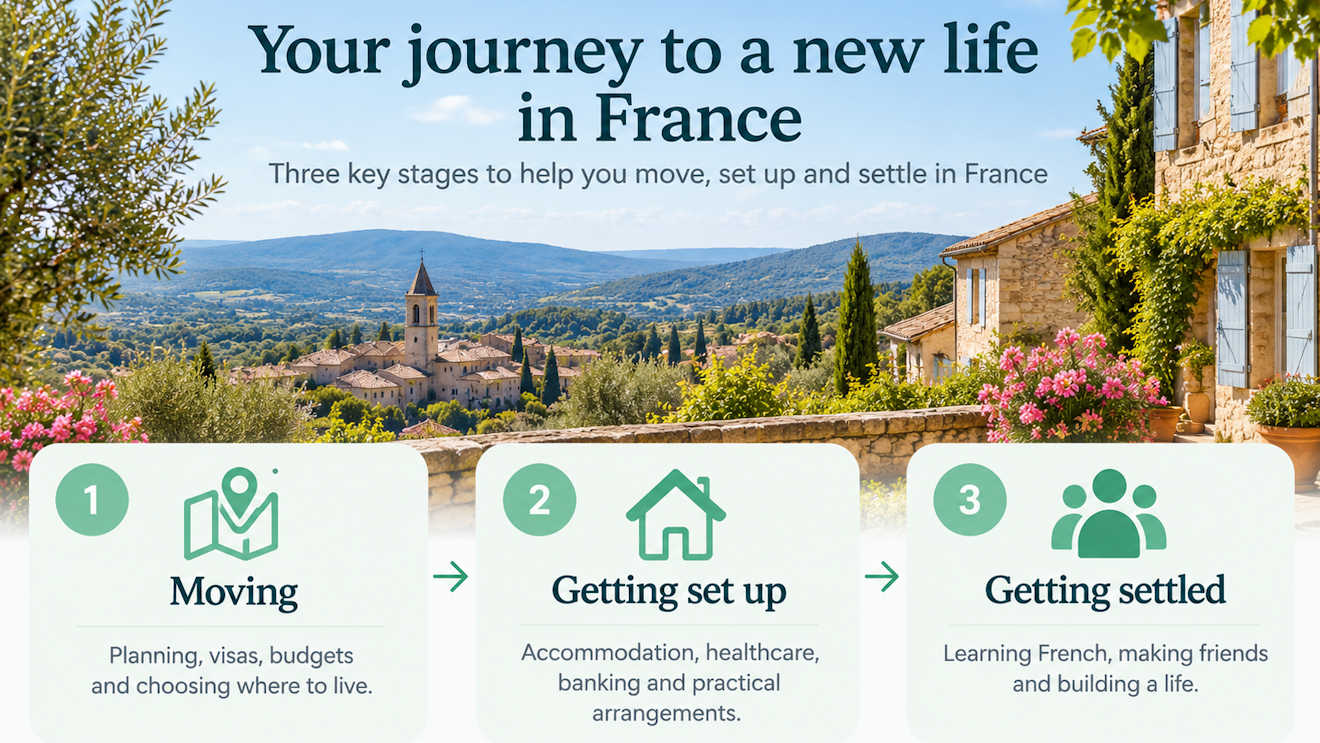
This guide brings together our practical advice on moving to France, finding somewhere to live and settling into French life. It is written primarily for people moving from the UK, Ireland, Scandinavia, the USA, Canada, Australia and New Zealand, although much of the advice applies to anyone considering a new life in France.
Our advice is simple: don't rush into buying a property or making a permanent commitment. Renting a house in France for 3–12 months gives you the opportunity to explore different regions, experience everyday life and decide whether France is right for you.
Part One: Planning your move
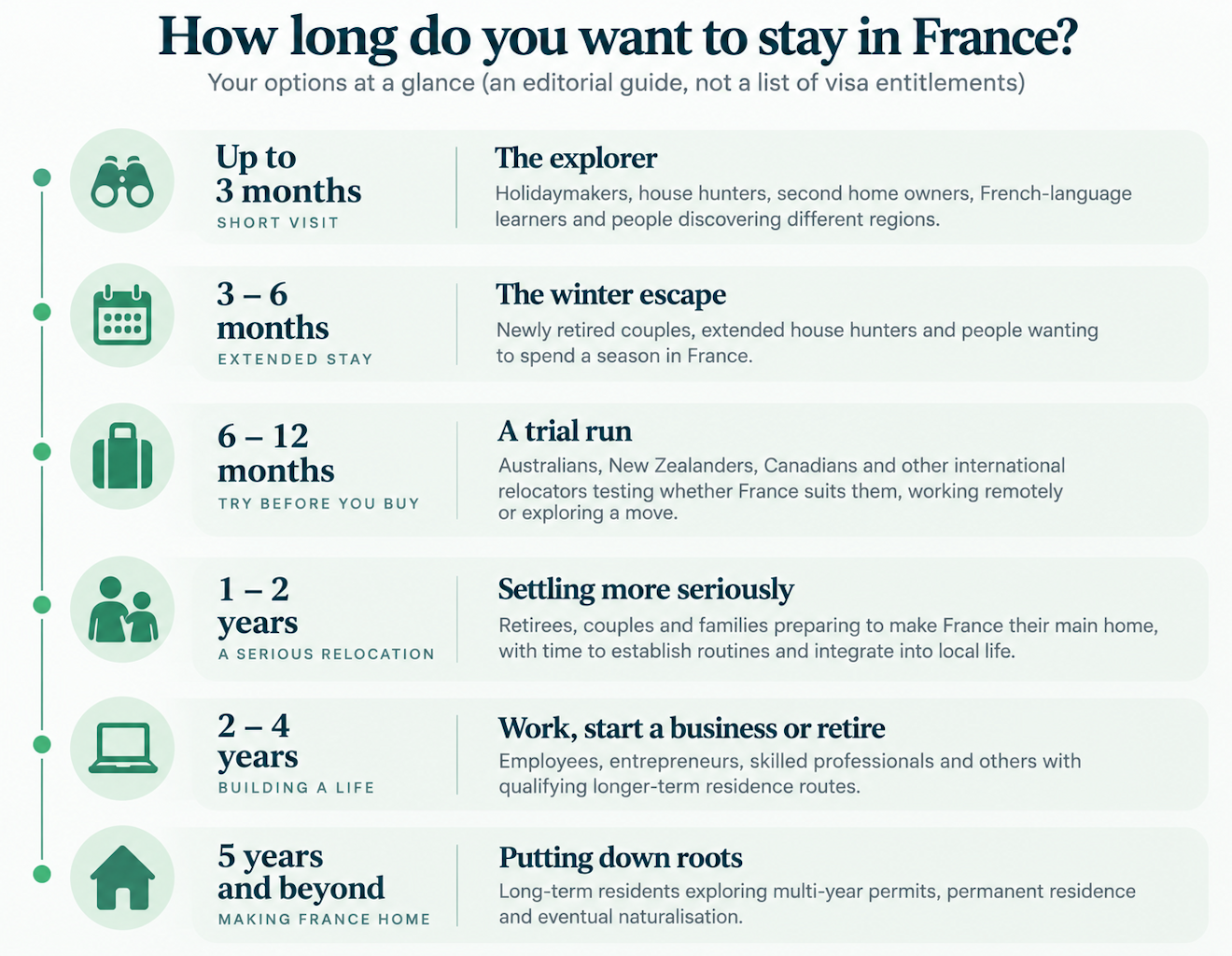
1. Can you move to France, and how long can you stay?
For a move lasting more than three months, start by matching your plans to the correct French visa or residence route. A visitor long-stay visa is generally intended for people who will not work in France; employment, self-employment and family circumstances may require a different application. A property rental contract can also be useful evidence of where you intend to stay.
Financial evidence matters. Visitor visa applicants must demonstrate sufficient resources, often assessed against the French minimum wage benchmark, together with suitable accommodation and medical cover. The precise evidence and amount depend on the visa and circumstances; check the current figure and documentary requirements before applying. Our separate visa and income guides explain the details.
Explore this topic
 Understand the main visa routes and when a long-stay visa may be required.
 A practical introduction for British nationals planning their move.
 Key considerations for non-European applicants from these countries.
 The financial evidence applicants may need to provide.
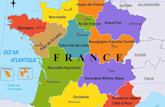
2. Where are the best places to live in France?
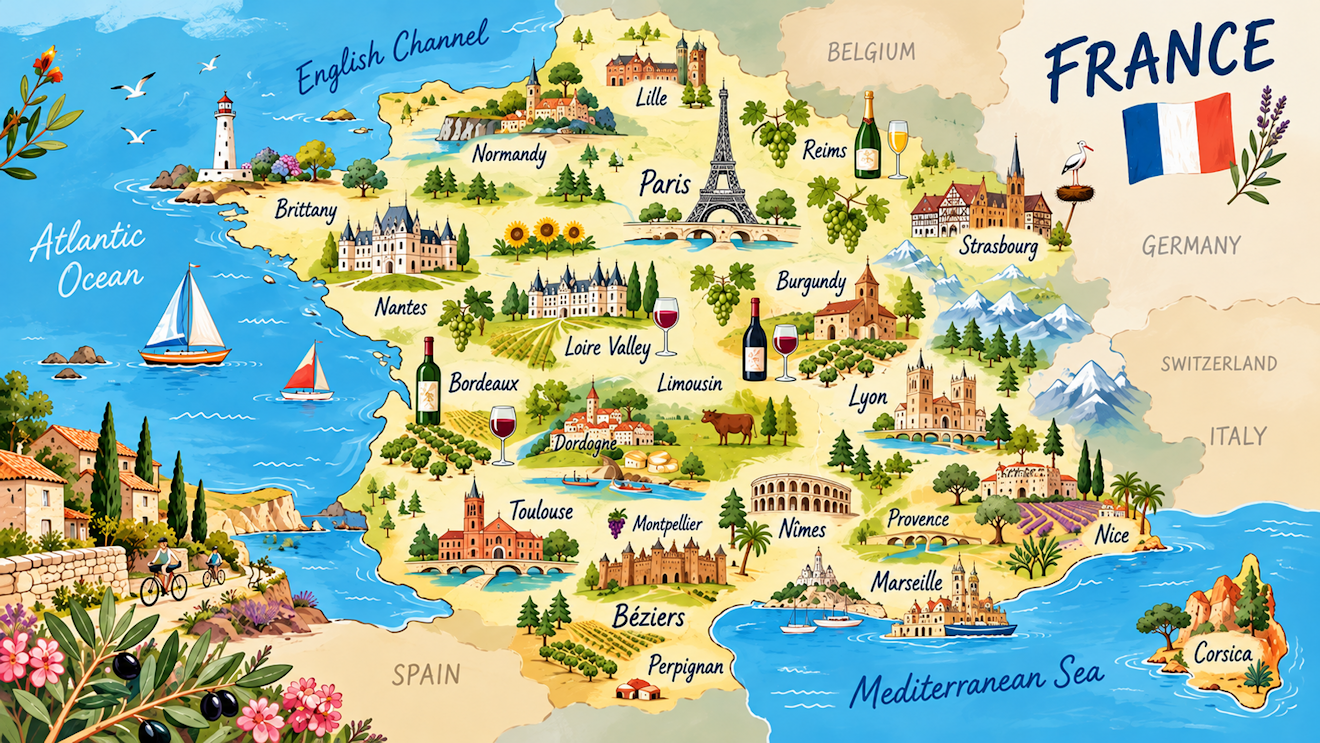
A location that works beautifully in August can feel very different in January. In parts of Southern France, coastal resorts are quieter in winter, whereas established market towns may retain more shops, medical services and everyday activity throughout the year.
Before committing, check year-round services, access to a GP, public transport and airport connections, not just house prices or summer weather. Spending several months in a rental is a practical way to compare Provence, Languedoc, the Dordogne and other regions in real life.
Explore this topic
3. How much money do you need to move to France?

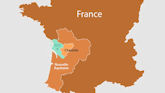
There are two separate budgets to consider: the resources you must demonstrate for a visa and the amount you will actually spend each month. Rent varies enormously by region, property size and season; the same budget buys a very different home in rural France and on the Côte d'Azur.
Allow for the rental deposit, first month's rent, utilities, insurance, transport and healthcare, plus initial purchases and a contingency fund. If you are relying on savings or foreign-currency income, consider exchange-rate movements as well. Our cost-of-living and rental-price guides provide the detailed comparisons.
Explore this topic

4. Should you rent or buy when moving to France?

Buying immediately can be an expensive way to discover that you chose the wrong town. We regularly advise prospective buyers to rent for 3–12 months first, particularly when they have only experienced France on holiday.
A furnished rental lets you test the winter climate, local services, journey times and everyday routine before making a permanent commitment. For a long-stay visa application, you may also need documentary evidence of accommodation. Check the rental contract and permitted use: a seasonal or secondary-residence agreement is not necessarily the same as a principal-residence tenancy.
Explore this topic

Part Two: Organising your move
5. Healthcare and medical insurance in France

British retirees receiving a UK State Pension may be eligible for an S1 form, allowing them to register for French state healthcare with the UK meeting the cost. An S1 is not automatically available to people who retire early, and eligibility must be checked with the relevant UK authority.
People moving from the USA, Canada, Australia and New Zealand generally do not have an equivalent arrangement for routine French healthcare. Depending on their immigration and employment status, they may need private medical insurance initially and may later qualify for French cover. A mutuelle is complementary insurance that helps pay costs not fully reimbursed by the French system.
Explore this topic

6. Opening a French bank account and managing your finances
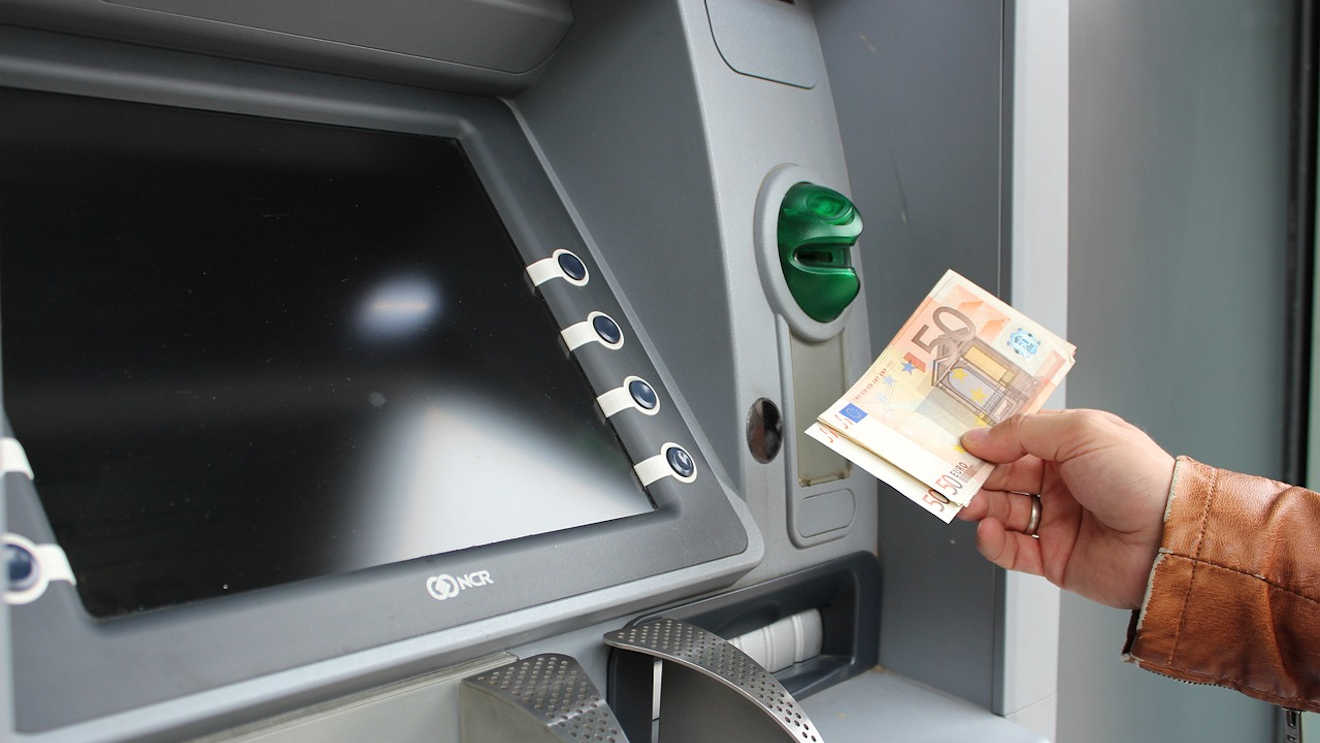
French banks commonly ask for proof of identity, address and financial circumstances when opening an account. Requirements differ between banks, and opening an account before becoming resident can be more difficult. Ask in advance what documentation your chosen branch will accept.
A French IBAN can make direct debits for utilities, insurance and other services straightforward, although SEPA rules generally prohibit discrimination against eligible IBANs from other SEPA countries. Plan how you will receive income, transfer money and pay recurring bills before arrival.
Explore this topic
7. Driving, pets, schools and practical arrangements
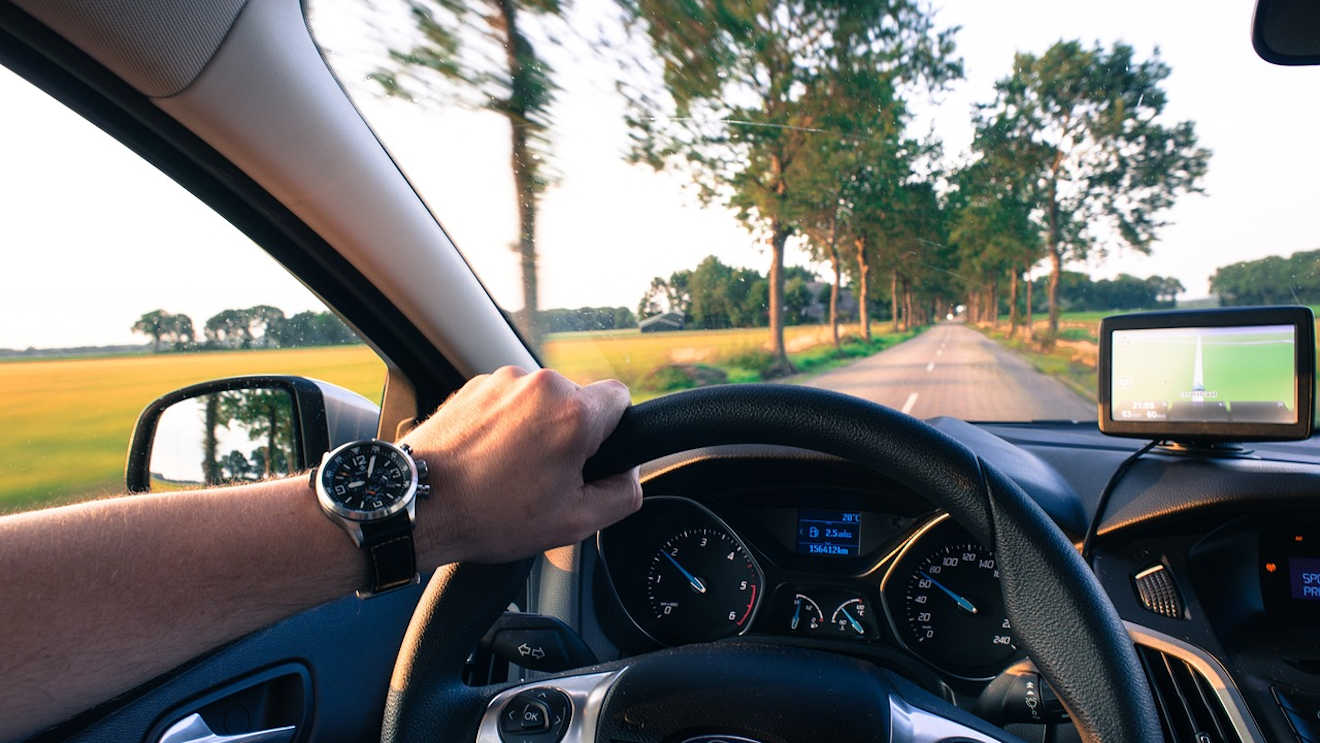
Driving licence rules depend on where your licence was issued, your residence status and any exchange agreement with France. Some foreign licences can be exchanged; others may require a French driving test. If you bring your own vehicle, investigate French registration, insurance and the documents needed before you move.
For pets, check microchip, rabies vaccination and travel-document requirements for your country of departure. Families should contact their local mairie about school enrolment; in France, education is compulsory from age 3 to 16, with a training obligation generally applying from 16 to 18. These practical details are easier to arrange before arrival.
Explore this topic


8. Working, running a business or retiring in France

A French visitor visa does not generally authorise professional activity in France. Do not assume that working remotely for a company abroad is automatically permitted under the same conditions as a holiday visit; the correct visa or residence category depends on what you intend to do.
Employees, self-employed people, business owners and retirees can face different immigration, social security and tax obligations. Retirees should also investigate pension payments, healthcare eligibility and tax residency. Our specialist articles cover the different routes in more detail.
Explore this topic
 A dedicated guide for people considering retirement in France.
 Explore the routes for remote workers and entrepreneurs.
 An established guide to living and working in France after Brexit.
Part Three: Settling into French life
9. Learning French: the key to enjoying life in France

You do not need flawless grammar to get started, but spoken French makes everyday life much easier: arranging appointments, speaking to neighbours, dealing with deliveries and understanding local notices. A few minutes of regular conversation is more useful than waiting until you feel ready to speak perfectly.
French-language requirements can also matter for some residence permits and naturalisation, and the rules have changed over time. Check the current requirements for the specific status you intend to apply for. In the meantime, focus on the French you will actually use every day.
Explore this topic

10. Settling into French life and becoming part of the community

In many French towns and villages, the easiest way to meet people is through an association: walking groups, sports clubs, choirs, volunteering and local cultural events. The mairie can often point you towards activities, and local markets offer opportunities to practise French.
It takes time to become part of a community, especially outside major cities. Getting involved, learning the language and accepting that local routines differ from those back home generally makes the transition easier than relying entirely on an English-speaking circle.
Explore this topic
11. Is moving to France right for you?

After 20 years in Southern France, we have met both the Dreamers, who are drawn towards a particular way of life, and the Runners, who hope a move abroad will solve problems they already have. France can be a wonderful place to live, but it brings paperwork, unexpected costs and ordinary day-to-day frustrations too.
Before buying a property or making a permanent commitment, ask yourself what you want from everyday life, not just from a holiday. Renting for 3–12 months gives you time to find out whether the region, climate and lifestyle really suit you.
Explore this topic
Moving to France checklist
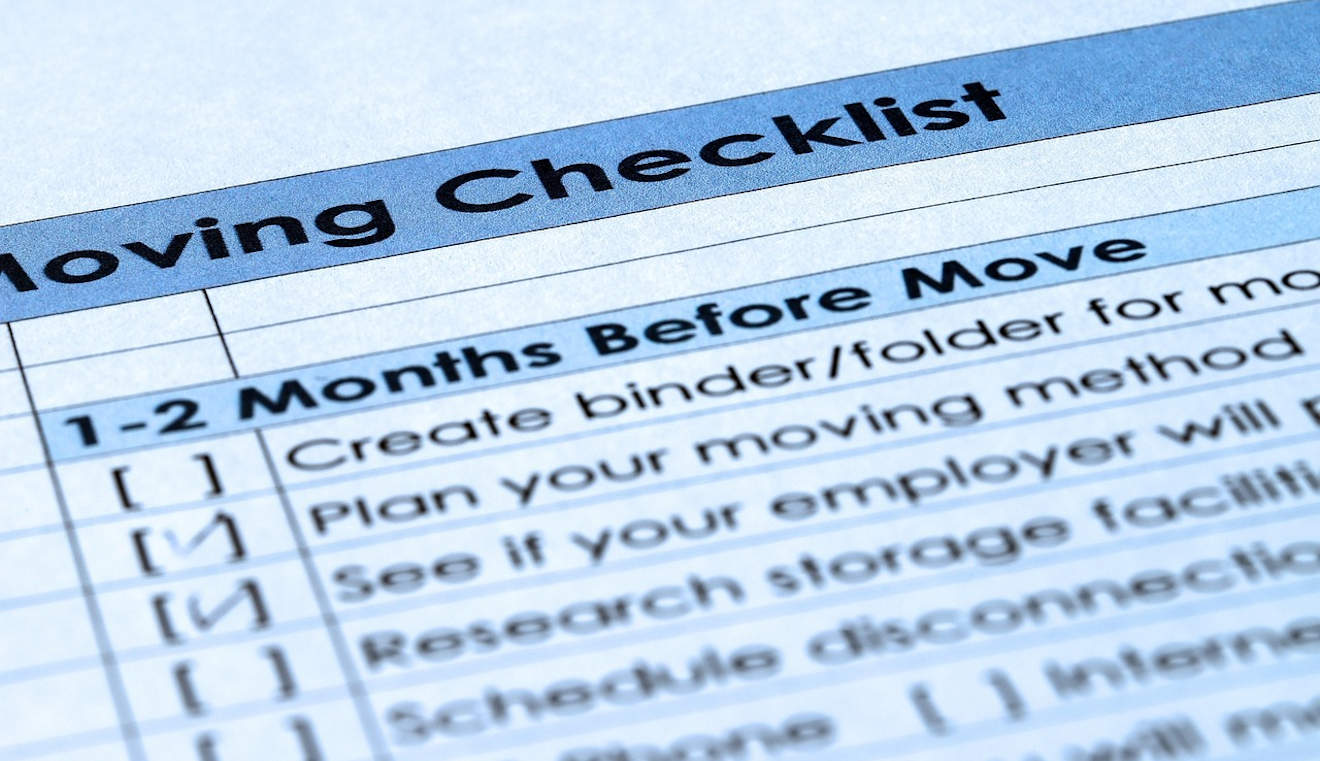
Before you leave, make sure you have worked through the essentials:
- Decide how long you want to stay and check the immigration rules for your nationality.
- Work out a realistic budget, including rent, utilities, insurance and a contingency fund.
- Compare regions and choose somewhere with the services you need year-round.
- Arrange suitable accommodation and check the contract before paying.
- Investigate healthcare and insurance arrangements for your circumstances.
- Plan banking, money transfers, driving and any arrangements for children or pets.
- Start learning everyday French and give yourself time to settle.
Conclusion: Start Your New Life in France
Moving to France can be a wonderful adventure, whether you're planning to retire, relocate with your family or simply experience a different way of life.
But you don't have to make every decision before you arrive.
For many people, renting a furnished house or apartment for several months is the ideal way to get started. You can explore different regions, meet local people, improve your French and discover whether the lifestyle suits you.
At Long Term Rentals in France, we help international clients find furnished accommodation for stays of 3–12 months.
Browse our long-term rentals in France and find somewhere to start your French adventure.