

You may have heard the scare stories. Somebody rents out their French holiday home, the tenant refuses to leave and suddenly the owner finds themselves caught up in a legal dispute that seems to go on forever.
I understand why this frightens property owners. We have been involved in French property rentals since 2006, and one of the first questions owners ask is whether they will ever get their house back if a tenant decides to stay.
There is no hiding from the fact that French law gives tenants considerable protection, particularly when the property is their principal residence. But that does not mean that every rental in France has to be a conventional residential tenancy. The first step in reducing the risk is to understand what type of rental you are actually offering.
A useful guide to French rental contracts
For a number of years, we have used an excellent article published by Paris Rental, a long-established Paris property rental agency, as a reference when explaining the different types of rental contracts available in France.
Their guide provides a useful explanation of French tenancy agreements and, in particular, the important distinction between renting a property as somebody's principal residence and renting it as a secondary residence. It makes a big difference.
If you are a property owner considering renting out your house in France, I would strongly recommend reading their article alongside this guide:
Understanding Rental Contracts and Agreements in France – Paris Rental
1. Not all French rental contracts are the same
A property owner renting a house to a family who intend to live there permanently is in a different position from somebody letting a furnished holiday home to visitors staying for three months over winter. French law recognises different arrangements, with different contractual rules.
Confusion arises when owners assume that all furnished rentals have to be 12 month tenancies, or that they can escape automatic tenancy renewals by writing "fixed-term rental" at the top of a rental contract. French residential tenancy protections are strong. But there are legal alternatives that offer more flexibility.
Let me first outline the standard types of French tenancies and the rules that apply, before going on to discuss French Civil Code leases.
a.) Unfurnished rentals: normally 3 years
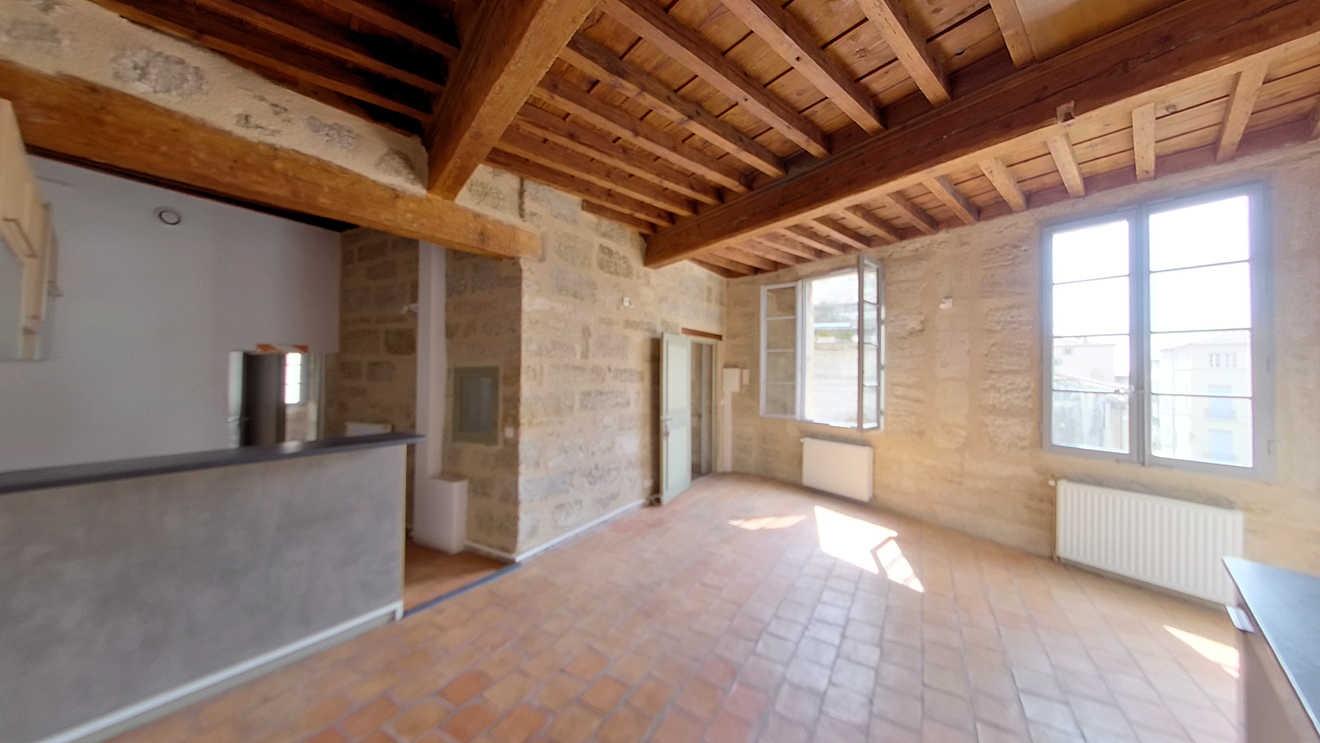
For a property rented unfurnished as the tenant's principal residence, the standard tenancy is generally three years when the landlord is an individual. It normally renews automatically unless the landlord gives the proper notice for a legally permitted reason, such as selling the property or recovering it for personal occupation.
The landlord's notice period is generally six months before the end of the lease. The tenant has their own notice rights, and ending a tenancy early or recovering possession following a dispute can be difficult.
This is an appropriate arrangement for a permanent home, but usually not what a holiday-home owner wants if they intend to use the property themselves or rent it out for the summer.
b.) Furnished rentals as a principal residence: normally 12 months
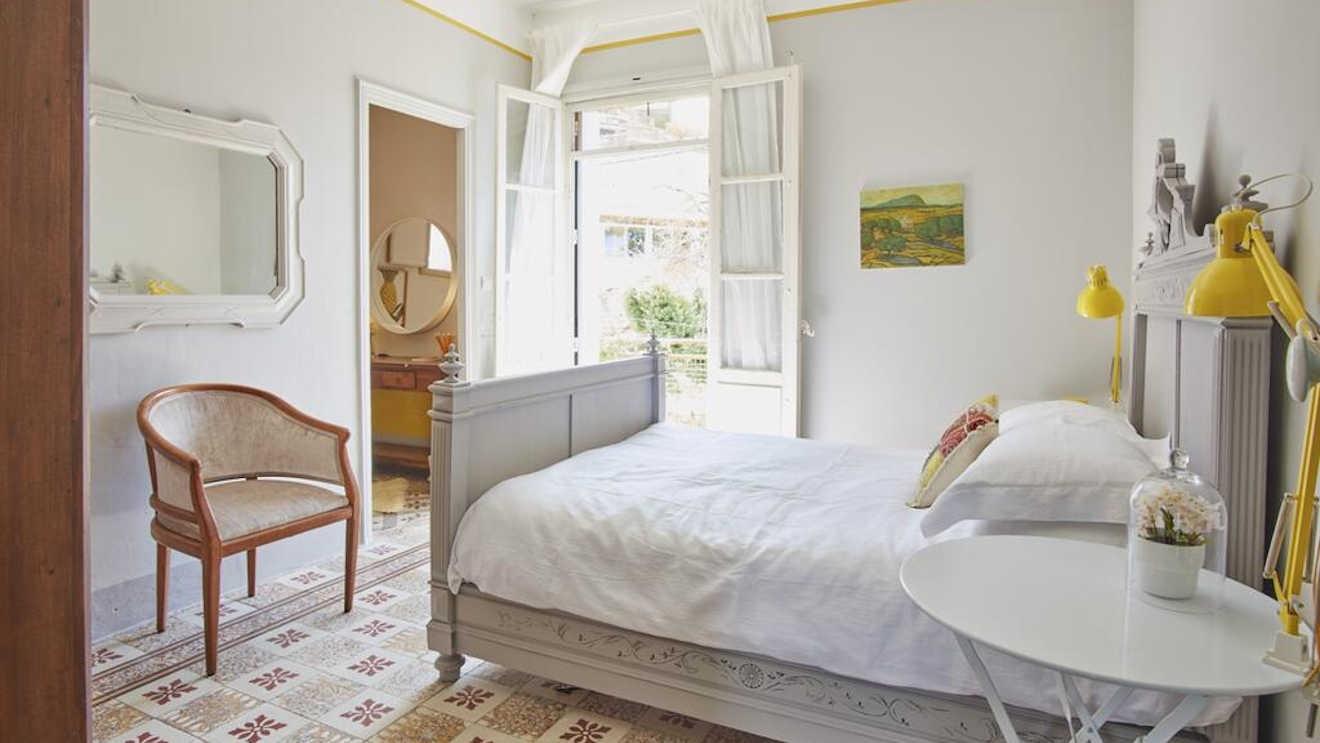
Where a furnished property is genuinely the tenant's principal residence, the usual tenancy is one year, with automatic renewal and specific notice requirements. There are exceptions, including student tenancies and the bail mobilité for qualifying temporary situations (such as workers seconded to a different part of the company and work placements).
But generally, if you rent a furnished property for 12 months, it is assumed that this is your permanent home.
The property must meet furnishing and accommodation standards, and the landlord has obligations regarding diagnostic reports on the condition of the house/apartment, deposits, inventories and repairs. A landlord generally needs a legally recognised reason and at least 3 months' notice to prevent renewal of an ordinary one-year furnished principal-residence tenancy.
c.) Seasonal holiday rentals: short-term stays
Seasonal holiday rentals (locations saisonnières) are another distinct type of rental agreement. These are intended for holidaymakers and temporary visitors who are not establishing their principal residence in the property.
Unlike conventional residential tenancies, seasonal rentals are normally arranged for a specific period (up to 90 days), with an agreed arrival and departure date. There is no automatic right to renew the booking simply because the holidaymaker wants to stay longer.
Owners must provide a written rental agreement setting out the dates, rent and conditions of the stay. Depending on the commune, there may also be registration requirements, tourist taxes and other local regulations.
2. Principal residence or secondary residence: why the difference matters

One of the most important distinctions in French rental law is whether somebody is renting a property as their permanent home (principal residence) or using it as temporary accommodation separate from their main home (secondary residence).
Different legal protections and rental arrangements apply depending on the purpose of the stay. French law provides strong protections for tenants renting their principal residence, while genuine secondary-residence rentals can generally be arranged under more flexible contractual terms.
What makes a property someone's principal residence?
Under the French law of 6 July 1989, a principal residence is generally accommodation occupied for at least 8 months of the year. But there is a common misconception. The length of the rental agreement alone doesn't determine whether a property is someone's principal residence. Other factors also apply:
- Where the tenant normally lives: Do they have an established main home elsewhere, or has the French rental become their only real home?
- Family and social life: Where do their spouse, children and close family normally live? Where are their strongest personal ties?
- Professional life: Where do they normally work or carry out their main professional activities?
- Tax residence and official address: Where are they registered for tax purposes, and which address do they use for official correspondence?
- Purpose of the stay: Are they visiting France temporarily, house hunting or spending the winter abroad? Or have they genuinely moved to France to establish a permanent home?
- Length and circumstances of occupation: How long are they staying, why are they there, and do they intend to return to an established home elsewhere?
No single item on this list automatically determines the answer. The important thing is the reality of the tenant's circumstances, not simply the number of months written into the rental agreement.
What about secondary-residence rentals?
A secondary residence is different. A person might spend several months in France while house hunting, escaping a northern European winter, visiting family, taking care of sick relatives or trying out a region before making a permanent move.
They may need a comfortable furnished home for that temporary period without intending to establish it as their permanent home. It is entirely possible for somebody to live in a property for several months without it automatically becoming their principal residence under the ordinary tenancy regime.
That distinction is at the heart of our business at Long Term Rentals in France.
3. Temporary furnished secondary-residence rentals: the LTRiF approach
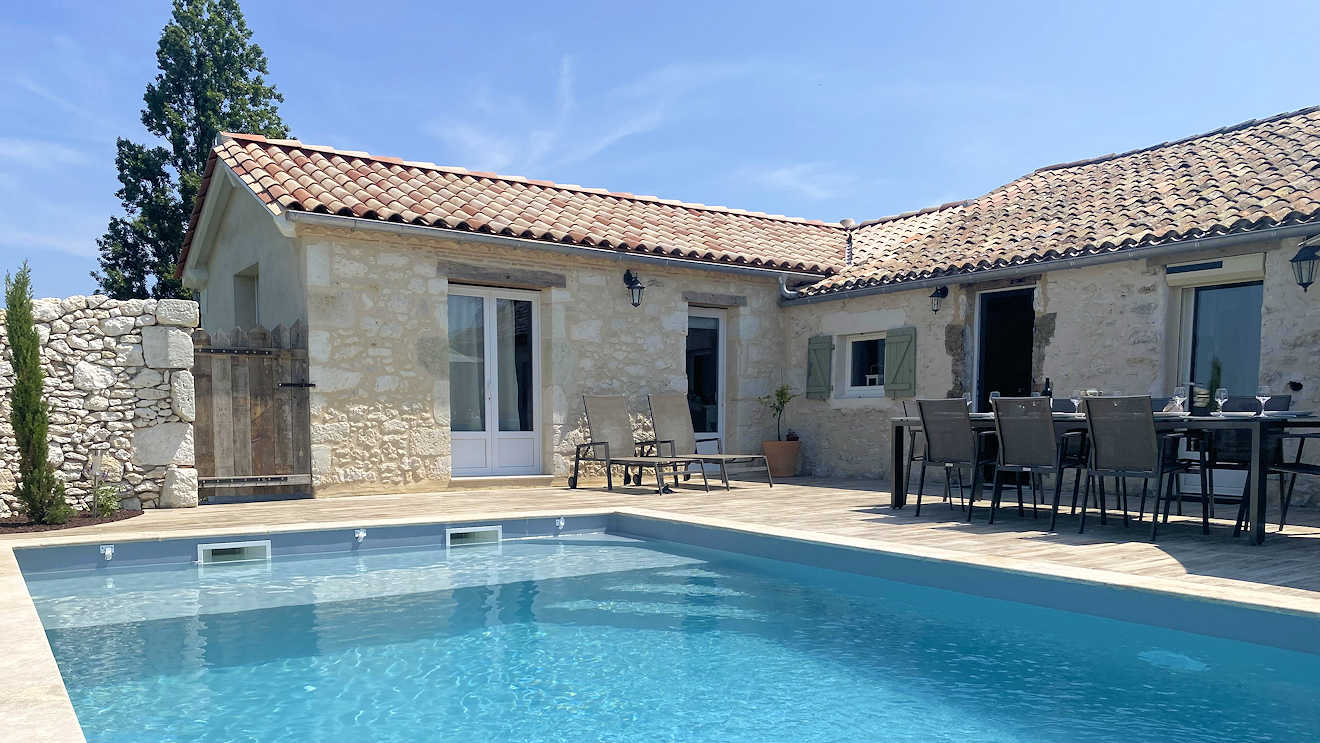
Long Term Rentals in France specialises in furnished accommodation for genuine temporary secondary-residence stays, typically from 3 to 12 months. The properties advertised through Long Term Rentals in France are intended to provide a temporary landing base in France, rather than permanent residential accommodation. Our clients include winter visitors, people searching for a French property to buy and others needing a landing base while they explore a region.
These furnished rentals allow tenants to experience life in France without immediately committing to a permanent home. The accommodation is intended for a defined period, with the rental arrangements reflecting the genuine purpose of their stay.
If you are looking to establish your permanent home in France, rather than rent a temporary landing base, we recommend using a conventional French residential letting agency that specialises in long-term principal-residence tenancies.
We arrange rentals under the French Code civil rather than the ordinary principal-residence tenancy rules. The parties can generally agree the duration and contractual conditions, including a fixed departure date, without the same statutory automatic renewal arrangements.
This flexibility is a major advantage for owners who want their house available again for summer holiday rentals or their own use. But it is not a loophole. The contract must reflect the reality of the tenant's stay. A 12 month stay, in particular, deserves careful examination of the facts. For tenants arriving in France on a 12 month long stay visa, it is clear that their stay in France is for a fixed, defined period of time. The expectation is that they will return to their home country at the end of the visa period. However, if they have renewed their long stay visa for a second year or arrived on a different category of visa (such as the entrepreneur visa), things can get more complicated.
4. A practical way to reduce the risks
In my experience, the owners who get into trouble with rentals in France, are often the ones who have tried to do everything informally. They have no proper contract, no clear inventory, no agreement about utilities and nobody on the ground to sort out problems. That is asking for trouble.
- Be clear about the purpose of the stay. Is the tenant genuinely visiting France temporarily, or are they establishing their principal home? Ask appropriate questions and make sure the proposed arrangement fits the facts.
- Use the correct French rental contract. Have a qualified French professional review the form of agreement for the actual type of occupation. Include the dates, rent, deposit, utilities, permitted use and departure arrangements.
- Prepare a proper inventory and condition report. Photograph the property and its furnishings at check-in and check-out, and agree how any damage will be handled.
- Check the tenant and payment arrangements. Obtain appropriate identification, agree payment dates and keep records. Do not treat a deposit as a substitute for a well-drafted contract.
- Use professional local property management. Somebody needs to be available when the heating fails, a leak appears or a tenant has a genuine problem. Leaving the key under a flower pot is not a management strategy.
- Check insurance and safety obligations. Tell your insurer how the house is being let, maintain installations and comply with applicable diagnostics and local requirements.
- Act early if something goes wrong. Keep written records and obtain French legal advice promptly rather than allowing missed payments or disagreements to drift.
None of these steps can guarantee that a dispute will never arise. But together they put the owner in a far better position than a casual arrangement agreed over email and a handshake.
5. What about the winter eviction moratorium?

Owners often ask about the trêve hivernale, the winter moratorium on certain residential evictions, which generally runs from 1 November to 31 March. This is one of the reasons owners are nervous about French tenancy law.
It is important to distinguish the legal regime governing the rental contract from the separate rules and procedures governing eviction. A genuine secondary-residence lease does not automatically give an owner the right to remove an occupant without legal process, and the applicability of winter protections can depend on the circumstances. Anyone facing a tenant who refuses to leave should seek advice from a French lawyer rather than assume that the contract heading settles the matter.
6. Responsibilities of French landlords
Whether you arrange a summer holiday let or a longer temporary furnished rental, you still need to provide safe, suitable accommodation. The details depend on the type of letting, but the basics should never be overlooked:
- Appropriate buildings, contents and liability insurance, with the rental activity disclosed to the insurer.
- Safe electrical, gas, heating and other installations, maintained as required.
- Fireplace and wood-burner sweeping in accordance with applicable rules.
- Clear information about the property, furniture, utilities and house rules.
- Relevant diagnostics, registration and administrative formalities for the particular rental.
- Proper handling of deposits, repairs and any disputes.
7. Should owners be frightened of renting out their French property?

I don't think so. But they should be properly prepared.
There is a big difference between blindly handing over the keys to your house and entering into a carefully managed rental arrangement with a proper rental contract and a clear understanding of the tenant's circumstances. French law does protect tenants, but it also provides different legal frameworks for different types of occupation.
For an owner who wants to earn income from summer holiday rentals and longer winter lets, a genuine temporary secondary-residence arrangement may be a sensible option. The important thing is to establish that it really is a temporary secondary-residence stay, use professional advice and manage the property properly.
That is the approach we have followed at Long Term Rentals in France since 2006. The aim is not to eliminate every possible risk - nobody can promise that - but to avoid unnecessary risks before a tenant even moves in.
Explore this topic
For more practical advice on buying, renting and managing a property in France, explore these related guides.
Buying Property in France: Complete Guide for 2027
Our comprehensive guide to buying property in France, including the purchase process, legal requirements and practical advice for foreign buyers.
Tax on Rental Income in France: Guide for Foreign Owners
Understand French rental income tax, the micro-BIC and régime réel systems, and the tax obligations of non-resident property owners.
French Rental Income Calculator for 2027
Estimate potential rental income, running costs and returns to see how much your French holiday home could earn throughout the year.
Renting Your French Holiday Home
Discover how combining summer holiday lets with longer-term winter rentals can improve occupancy and help cover the annual costs of your French property.
Editorial note: This article provides general information about French rental laws and tenancy arrangements. The legal position depends on the type of rental agreement and the tenant's actual circumstances. It is not a substitute for professional legal advice. Owners should consult a qualified French legal professional before entering into a rental agreement.
Official French legal information: French Law of 6 July 1989 | French residential tenancy rules | French seasonal rental rules