
If you are considering investing in property in South of France during 2027 and you want to know what sort of return on investment you can expect, then we have provided some guidance on the type of short and long term rental figures you can expect to earn by renting out your property.
Renting out your property may or may not be the sole factor in your decision to buy property in the South of France, but with gross rental yields around 6-10% a year, it is not something you should ignore altogether. Whether you decide to rent out your property just to cover you annual property taxes and maintenance cost, or if you decide to go the whole hog and turn your South of France property into a buy-to-let business; the central issue remains - what level of rental income can you expect to earn?
Rental calculator investment property France: Occupancy is King

One important issue to remember when it comes to renting out your property in France: Occupancy is King!
Many people get fixated on the weekly rental price. What do they say 'turnover is vanity, profit is reality'. I think the rental price is the vanity part of the equation. In reality, the rental price is almost immaterial in the bigger picture.
So let's say we value your house to rent at €1500 per week in the high season. You may decide that this is an insult. Fred up the road rents his house out at €2500 a week. You're not going to have that! You will press ahead and advertise your house at €2000. You gain an extra €500 per week.
But the key issue is whether it will rent or not. Every week that your property stands vacant you are losing €1500. If you look at the figures below, you will see that pricing your property at the right level to ensure you get occupancy is the key issue, not the actual weekly rental price.
- €1500 x 8 weeks rental = €12,000
- €2000 x 4 weeks rental = €8,000
The other thing that you have to consider is that the rental market in the South of France has become extremely competitive. Every year an extra 1,500-2,000 properties are added to the vacation rental stock in the South of France. In any market, the rule of supply and demand applies. Rising housing stock and stable demand equals at best, static prices. Also, if you are new on the market, you have no experience of renting your house. You have no track record in terms of customer reviews. Fred may well be earning €2500 per week, but he also probably has 10 years of experience perfecting his rental offering and has 10 years of worth of customer reviews on TripAdvisor, AirBnB or HomeAway, to back that up.
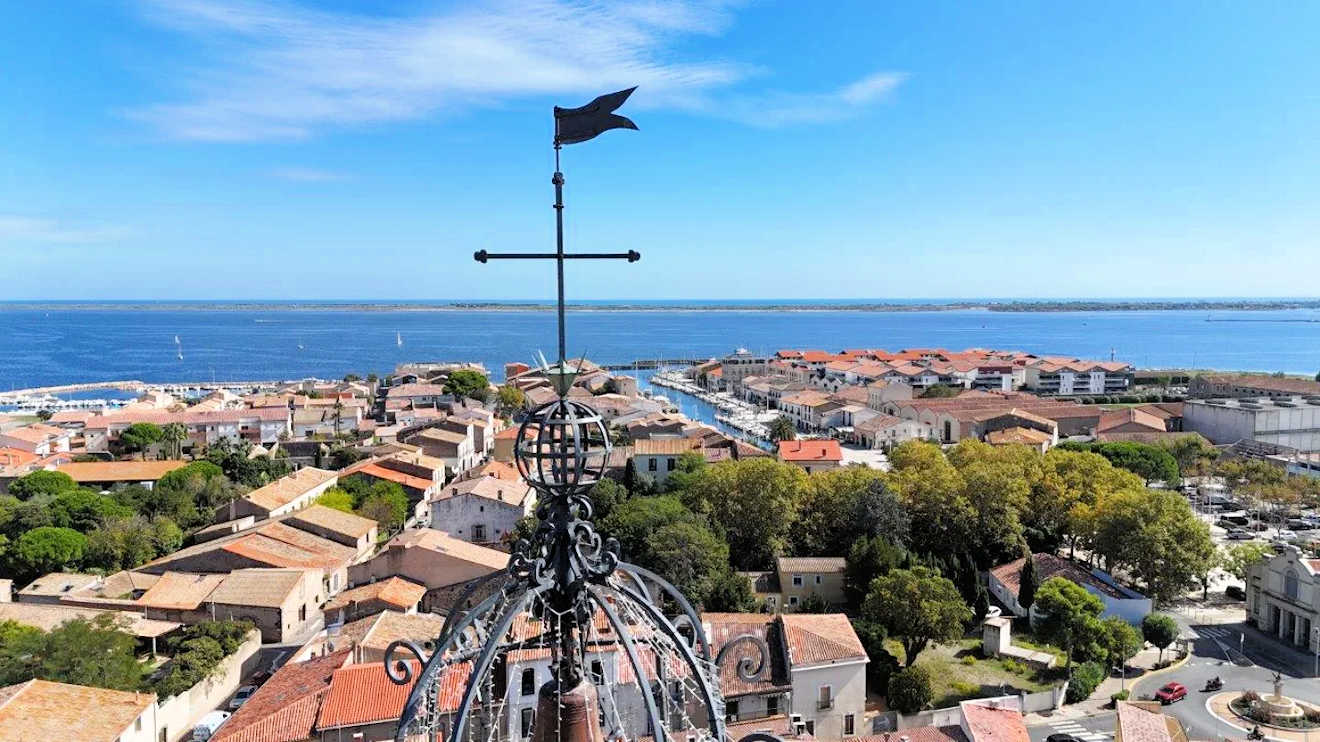
The other thing that I always tell clients to do is to compare their own property not just with higher earning properties, but also to look at properties in the bracket below. I recently had to value an apartment in Marseillan. The owner wanted to receive €1800 a week in the high season. The apartment was lovely inside, but it had no outdoor space and you could just about see the sea if you crooked your neck. The owners comparison was a high end apartment complex directly on the sea front with a nice sized balcony and a roof terrace. What I advised him to do was to look at the market below his property. In Marseillan it is possible to rent a 3 bedroom house with roof terrace for €700 per week. The interior is old but comfortable. How could he justify the extra price difference of €1100 per week. A potential client could stay in the townhouse, eat out at restaurants every single night and still be in profit by the end of the week.
So my first bit of advice when calculating your potential rental income is to put sound business economics before vanity.
Investment Property calculator: costs of renting out property in France

When calculating your potential rental income, it is important to distinguish between gross rental yield and net rental yield.
- Gross rental yield is simply the annual rental income divided by the property purchase price.
- Net rental yield takes account of the costs of owning and renting out the property.
These costs can vary considerably depending on where your property is located. For example, in the Languedoc, cleaning companies and independent cleaners currently charge around €20–25 per hour. On the Côte d'Azur, you can expect to pay at least €30–35 per hour. Similarly, a pool guy in the Languedoc will typically costs around €65–70 per visit, compared with probably around €100 per visit on the Côte d'Azur.
For a villa with a swimming pool and regular summer changeovers, these regional differences can add up to several thousand euros over the course of a year.
Other costs to consider include:
- Property taxes: Annual taxe foncière and, where applicable, taxe d'habitation on second homes.
- Insurance: Buildings, contents and appropriate rental property insurance.
- Property Maintenance: General repairs, replacement furniture and appliances.
- Garden maintenance: Particularly important for larger villas and properties with extensive grounds.
- Rental management: Booking commissions, advertising and property management fees.
- Utilities: Electricity, water, internet and heating, particularly during winter rentals.
- Empty periods: Some expenses continue even when the property is not rented.
Gross rental yield versus net rental yield
Let's take a property purchased for €340,000 which generates €20,000 in annual rental income. Its gross rental yield is 5.9% (€20,000 ÷ €340,000).
However, if annual running costs amount to €5,000, the rental income remaining is €15,000, giving a 4.4% net yield after running costs and before financing costs and income tax.
The important point is that two properties generating the same gross rental yield may produce very different returns once local maintenance costs, property taxes and rental management expenses are taken into account. There will also be variations in the amount of income tax you have to pay, depending on your personal experiences. I would certainly advise you to get a good French accountant, but I was actually pleasantly surprised about how low the tax charge on rental income in France is for non-tax resident foreigners, especially where they take advantage of certain exemptions and tax regimes (see Tax on Rental Income in France: A Guide for Foreign Property Owners (2027) for more details)
The reason why I am stressing this point so much about gross and net rental yields, is that it identifies 2 important factors in the property investment calculator.
- Keep the property purchase price low: this is one reason why we believe the Languedoc can offer particularly attractive opportunities for property investors. Purchase prices are generally lower than on the Côte d'Azur
- Have a firm hand on your ongoing rental costs: it is a false economy to skimp and penny-pinch on your weekly changeover costs, but equally, factor in the regional variations in ongoing costs of maintaining and managing a rental property. Again, the Languedoc can be significantly cheaper than Cote d'Azur.
For this reason, I have used gross rental yields in the property examples below, allowing you to make your own assessment of running costs and potential net returns. I have also based most of the purchase prices on properties in the Languedoc, where I believe investors can achieve better value for money than in Provence or on the Côte d'Azur, whilst benefiting from a similarly strong level of rental demand in suitable locations.
Investment property calculator South France: potential rental income
So, down to the central issue. What will your property be worth in terms of rental income. As a rough rule of thumb, these are some fundamentals when it comes to calculating rental income on properties in South France:
- Every 10 kms you travel away from the beach you lose €100-200 per week in high season
- If you buy a house/villa with private pool plus 4 bedrooms and within 25 kms of the coast you are virtually guaranteed 8 weeks high season rentals and 4 weeks June or September rentals
- A private pool adds between €500-€700 per week to the value
- A shared pool adds between €200-€300 per week to the value
- A roof terrace or balcony increases rentability, but not necessarily the weekly value. What it does do however is increase your occupancy level
- If you property has no outdoor space, it simply will not rent (unless it is walking distance to the beach)
- Your weekly price in high season is usually what you can expect to earn per month for long term winter rentals
Village house - no outdoor space
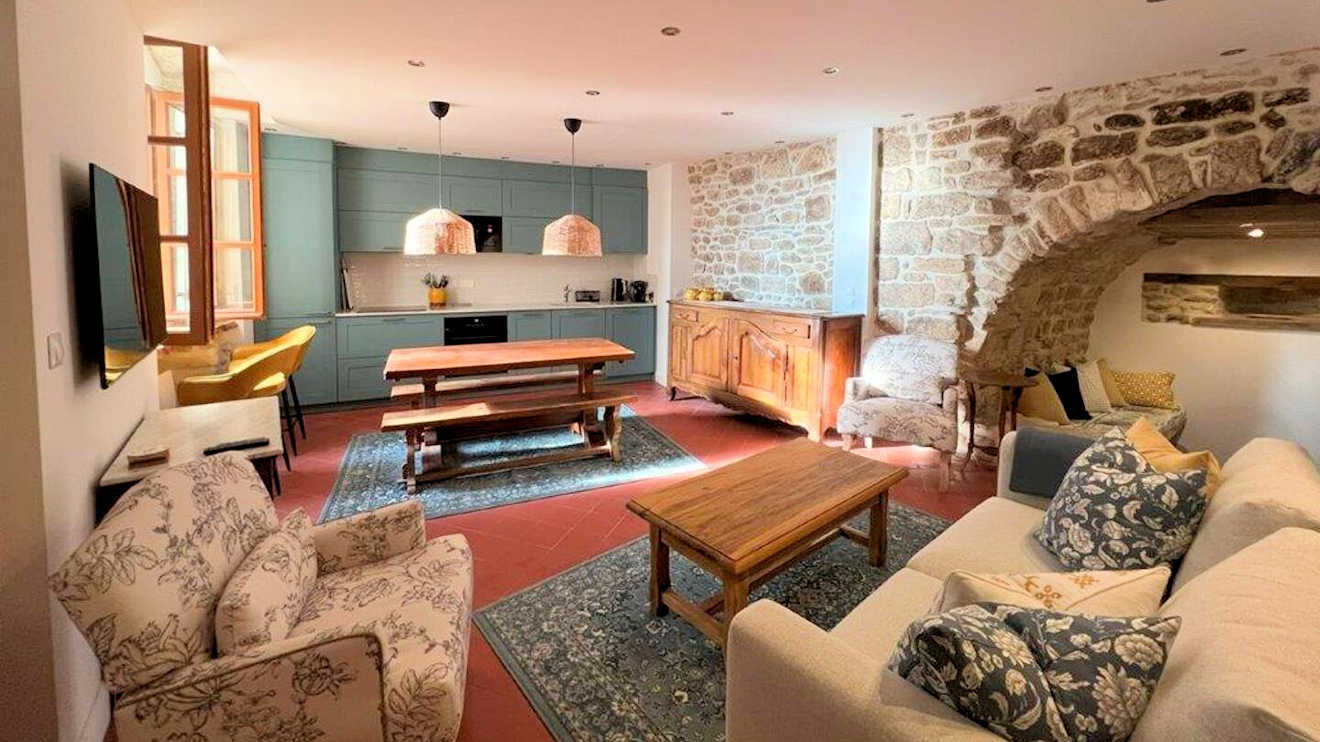
A village house with no outdoor space may rent out in popular towns such as Uzes, Pezenas, Sommieres, Carcassonne, Marseillan. But you are going to struggle to rent it out in non-tourist villages.
- A 1 bedroom property will receive €350-400 per week in high season and €500 per month + bills over the winter period
- A 2 bedroom property will potentially receive €500 per week in high season and €600 per month + bills in the off season.
Potential rental income
1 bed property: 3 weeks summer rentals + 4 months winter rentals = €3800. If you have purchased the property for around €60,000 and your annual maintenance costs and taxes are around €1500, this will provide you with a gross rental yield of 6.3%.
2 bed property: 4 weeks summer rentals + 6 months winter rentals = €5,000. If you have purchased the property for around €85,000 and your annual maintenance costs and taxes are around €2000, this will provide you with a gross rental yield of 5.9%.
Village house - with roof terrace
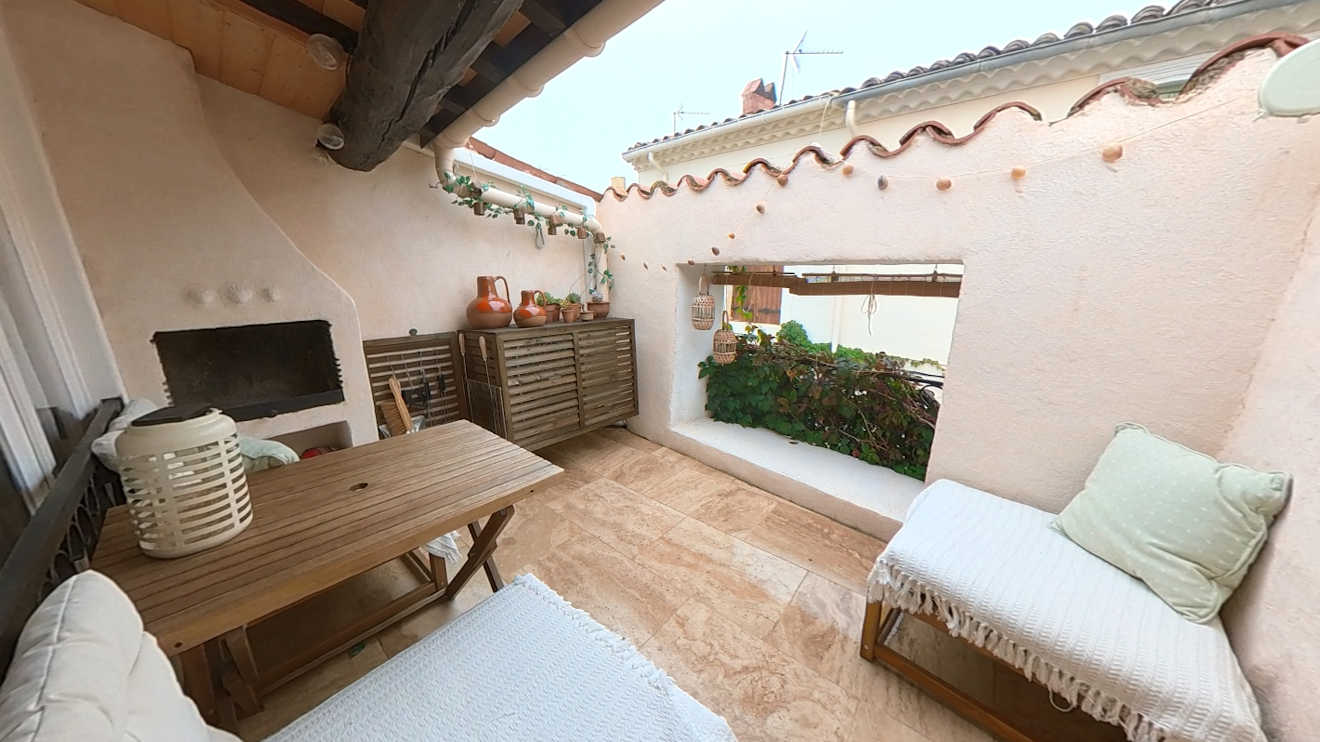
A village house with a roof terrace will be attractive for rentals. In popular towns by the coast or in tourist centres, you should expect at least 8 weeks rentals during the 14 week season. The house will also prove popular for longer term rentals.
- A 2 bedroom property will potentially receive €700 per week in high season, €550 per week in June and September. Monthly rentals should be around €650-€750 per month + bills.
- A 3 bedroom property will receive €800-€950 per week in high season, €650 per week in June and September. Monthly rentals should be around €750-€900 per month + bills.
Potential rental income
2 bed property: 6 weeks high season rentals + 2 weeks in June/September + 6 months winter rentals = €9,200. If you have purchased the property for around €125,000 and your annual maintenance costs and taxes are around €2000, this will provide you with a gross rental yield of 7.4%.
3 bed property: 6 weeks high season rentals + 2 weeks in June/September + 6 months winter rentals = €10,600. If you have purchased the property for around €150,000 and your annual maintenance costs and taxes are around €2500, this will provide you with a gross rental yield of 7.1%.
3 bed Villa/House - no pool
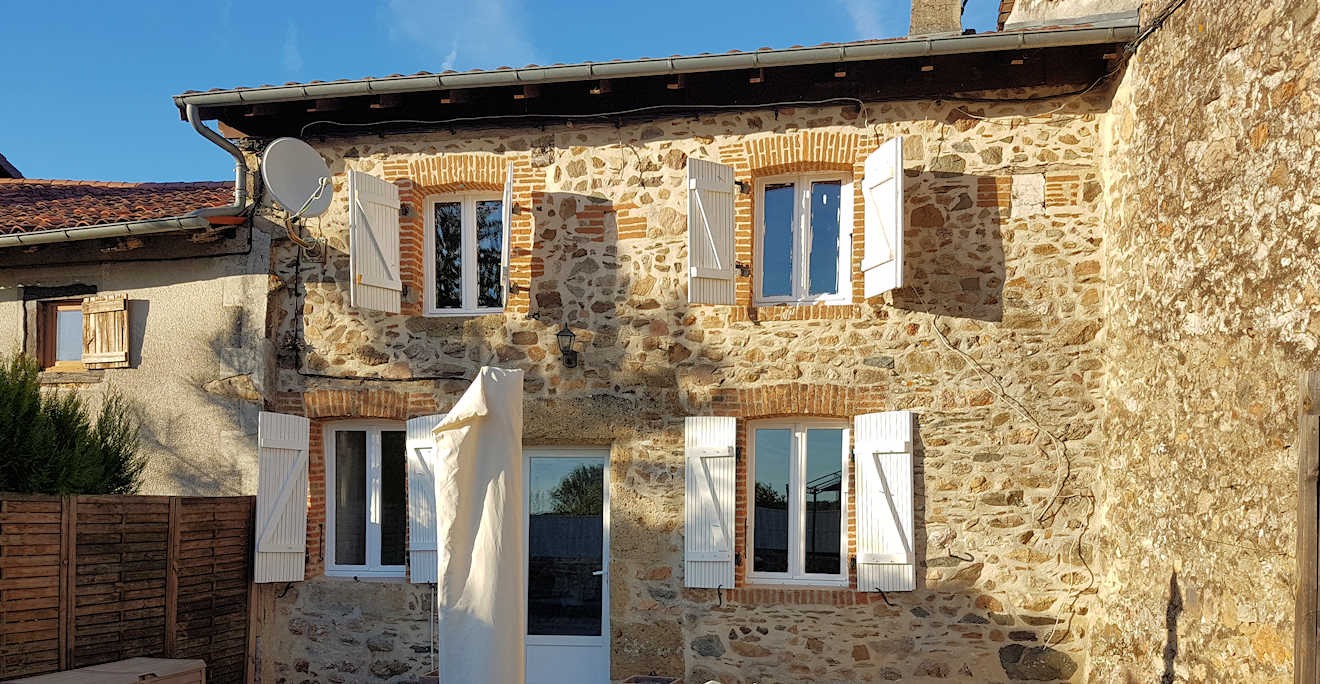
A 3 bed villa or substantial village house with character will attract some customers for rentals, but it runs into some issues. Potential buyers will either trade-up (for an extra €500 they can get a villa with a private pool) or trade down (for €800 I can rent a town house with a terrace). Again, if the property is by the coast or in one of the tourist towns it will rent for sure, but the little villages inland will prove much more difficult. However, where these properties do come into their own is for long term rentals. In this segment, people want the space, especially outdoor space and private parking. So in a way it can be difficult to value the annual rental income.
- A 3 bedroom property will receive €1000-€1200 per week in high season, €700 per week in June and September. Monthly rentals should be around €850-€1000 per month + bills.
Potential rental income
3 bed property: 5 weeks high season rentals + 2 weeks in June/September + 8 months winter rentals = €14,400. If you have purchased the property for around €250,000 and your annual maintenance costs and taxes are around €2000, this will provide you with a gross rental yield of 5.8%.
Villa with pool
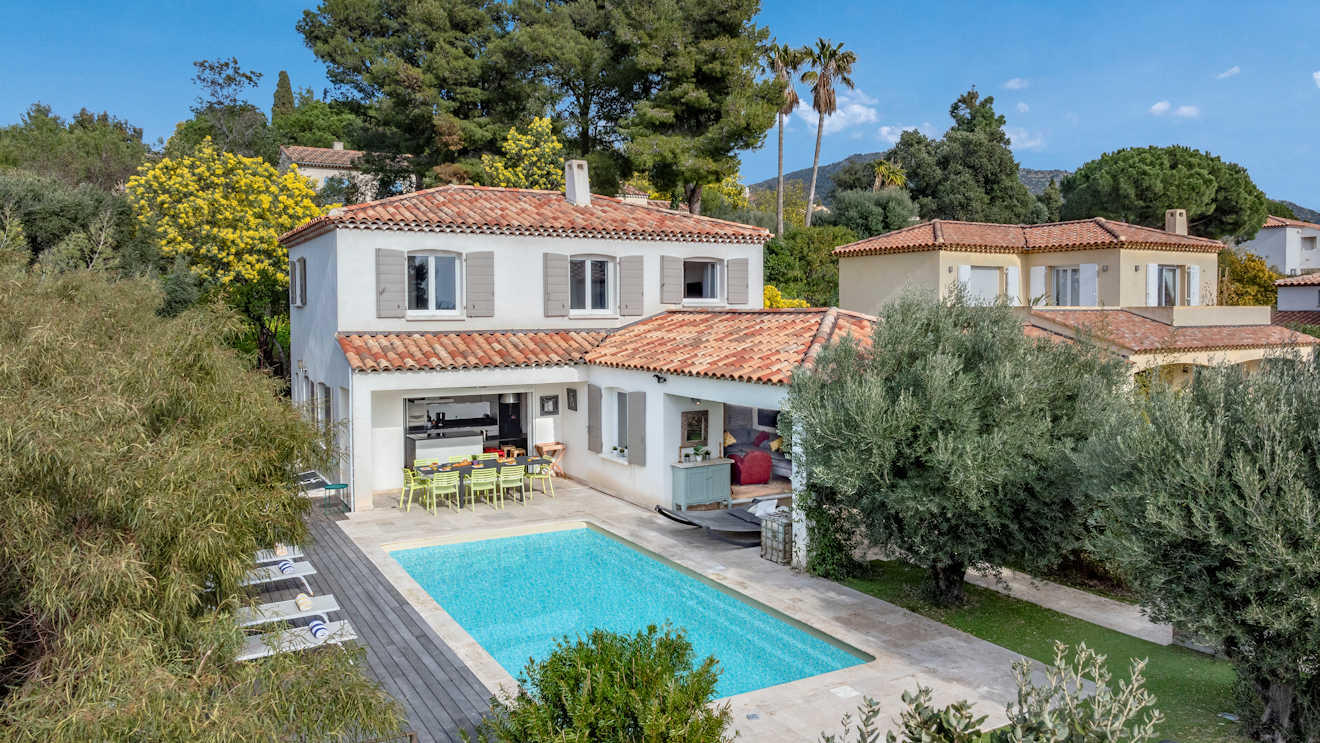
An attractive villa with pool should expect at least 12 weeks rentals during the 14 week summer season. The house will also prove popular for longer term rentals, but there is often a reduced market for 4 bedroom properties. It is strange, but the 3 bedroom villa may prove more popular. However, with the 3 bed villa you may reduce your opportunity for summer rentals. A 4 bed villa allows 2 families to share the villa for a cost-effective 2 week holiday. A 3 bed villa will just be for 1 family. It will still rent, but you may have to work harder to get the full 12 weeks in the summer. Also, be careful with above ground pools. These are normally the last properties to rent in the high season. In ground pools are much more popular.
- A 4 bedroom property will potentially receive €2250 per week in high season, €1750 per week in June and September. Monthly rentals should be around €1200-€1400 per month + bills.
- A 3 bedroom property will receive €1850 per week in high season, €1500 per week in June and September. Monthly rentals should be around €1000 per month + bills.
Potential rental income
4 bed villa: 8 weeks high season rentals + 4 weeks in June/September + 3 months winter rentals = €27,600. If you have purchased the property for around €350,000 and your annual maintenance costs and taxes are around €3500, this will provide you with a gross rental yield of 7.9%.
3 bed villa: 7 weeks high season rentals + 2 weeks in June/September + 5 months winter rentals = €20,600. If you have purchased the property for around €300,000 and your annual maintenance costs and taxes are around €3000, this will provide you with a gross rental yield of 6.9%.
10 golden rules for Investing in rental property in France
So, what are the most important lessons when investing in rental property in France? Based on our experience of the property market and holiday rentals in Southern France, these are the ten golden rules I would recommend following.
1. Buy at the right price
The profit from a property investment often starts with the purchase price. Look for attractive areas where property prices are lower than neighbouring towns or coastal resorts, without sacrificing access to shops, restaurants and local amenities. This is one reason why we favour the Languedoc over more expensive parts of Southern France.

Compare French property prices and discover where your money could go further.
2. Choose an area with strong rental demand
A cheap property is not necessarily a good investment. Look for locations that attract summer holidaymakers as well as people seeking longer stays, including house hunters, remote workers and those relocating to France. A popular village with restaurants, shops and good transport connections can often outperform an isolated property.

Choosing the right location and type of property for your investment.
3. Stay within easy reach of international airports
Accessibility is particularly important when targeting overseas holidaymakers and long-term tenants. Properties within reasonable driving distance of an international airport, especially one with regular low-cost flights, have a wider potential rental market.

Explore the main airports serving Southern France and their international connections.
4. Understand your running costs
Property taxes, cleaning, maintenance, insurance and rental management all affect your eventual profit. These costs can vary significantly between regions, so calculate them carefully before purchasing. A lower purchase price combined with manageable running costs can make a considerable difference to your investment returns.

Understand the main property taxes and ownership costs in France.
5. Set realistic rental prices
The highest advertised rental price does not necessarily generate the greatest annual income. As we explained earlier, eight weeks rented at €1,500 produces considerably more income than four weeks at €2,000. Focus on occupancy and annual rental income rather than trying to achieve the highest possible weekly rate.

See typical monthly rental prices for different properties and regions of France.
6. Put reliable property management in place
Good property management is essential, particularly if you live outside France. You need dependable people to handle guest arrivals, cleaning, maintenance and unexpected problems. It is worth paying for reliable service rather than risking poor reviews and lost bookings.

Practical considerations when purchasing and operating a holiday rental property.
7. Get a good French accountant
Rental income from French property normally needs to be declared in France, even if you live abroad. Filing a French tax return to report rental income does not, by itself, make you a French tax resident. Depending on your circumstances and the tax regime used, the effective French income-tax charge on rental income can be a lot lower than you think. When we were renting our own villa in South France, we were paying an effective rate of around 20%, but we had higher social charges to pay. If you are not affiliated to the French social security system, you will pay a solidarity charge of 7.5%, so your overall tax charge could be around 14-15%. Which is not bad at all. But get the right Accountant.

How French rental income is taxed and the different regimes available to foreign property owners.
8. Combine summer holiday lets with longer winter rentals
One of the most effective ways to improve annual rental income is to combine higher-paying summer holiday lets with more modest monthly rentals during the winter. This approach can reduce empty periods, spread your income across the year and improve your gross rental yield.

Discover how longer winter lets can complement summer holiday rentals.
9. Think about resale before you buy
Your property investment should make financial sense both while you own it and when you eventually sell. Avoid buying a house simply because it looks cheap or promises a high rental yield. Consider whether future buyers will find the location, layout and facilities equally attractive.

Our five golden rules for choosing an investment property with strong long-term prospects.
10. Buy with your head, but also with your heart
Throughout this article, I have concentrated on the business of property investment in France. Choosing the right location, buying at the right price, maximising rental income and keeping costs under control are all important. But I would like to leave you with one final piece of advice. You also need to buy a property with a bit of love.
Perhaps it is somewhere you can escape to for a few weeks when there is a gap in your rental calendar. Maybe, further down the line, when the mortgage has been paid off, you could spend several months a year enjoying life in the South of France. Or perhaps you simply want somewhere that your friends and family can enjoy.
Of course, you still need to buy the right type of property in the right location. But there is more to owning a house in France than the annual rental yield. And let's face it, what is the point of owning a house in the South of France if you can't occasionally show it off to your friends?